
Differences between Full and Partial Dentures Explained
Are you considering getting partial or full dentures? If so, it’s important that you understand the key differences between these two types of dental prosthetics.
In this blog, we explain the differences between full and partial dentures, their advantages and disadvantages, and answer some frequently asked questions about the process.
What are Dentures?
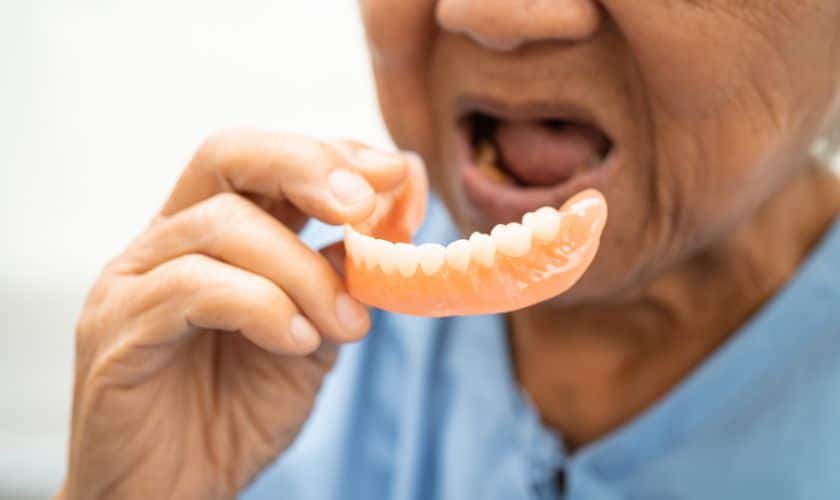
Dentures are a type of dental prosthetic used to replace missing teeth. They usually consist of either plastic or metal plates with false teeth attached to them. Full dentures are used to replace all your natural teeth, while partial dentures are for filling in gaps caused by several missing teeth. A qualified dentist can help you decide which type is right for you.
Full Dentures
Full dentures are meant to replace all of the teeth in your upper or lower jaw. They consist of a false gum-like base that is designed to fit snugly inside your mouth and plastic or porcelain false teeth attached to the base. These dentures can be removed and cleaned easily, but they may require adjustments from time to time as your jawbone and gums change shape over time.
Advantages of full dentures:
– More affordable than dental implants or bridges
– Easily removable for cleaning
– Can improve speech and eating habits
Disadvantages of full dentures:
– Tends to slip or move around
– Can be uncomfortable and cause irritation to your gums
– May require regular adjustments
Partial Dentures
Partial dentures are used if you only have a few missing teeth in your mouth. They consist of a metal framework to which false teeth are attached, allowing them to clip onto the existing healthy teeth. This type of denture is more secure than full dentures, but it may require periodic adjustments as your mouth changes over time.
Advantages of partial dentures:
– More stable and comfortable than full dentures
– Easily removable for cleaning
– Can improve speech and eating habits Disadvantages of partial dentures:
– More expensive than full dentures
– May require regular adjustments
– Can cause damage to your existing healthy teeth
Conclusion – Making a Choice
Deciding between full and partial dentures may seem overwhelming at first, but with the help of a qualified dentist, you can make an informed decision. Whichever type of denture you choose, it’s important to remember that regular checkups are essential for maintaining good dental hygiene.
Q1: How long do dentures last?
A1: Depending on how well they are cared for, full or partial dentures can last anywhere from five to eight years. It’s always best to visit your dentist regularly to check the fit of your denture and make sure they don’t need any repairs.
Q2: How much do dentures cost?
A2: The cost of full or partial dentures will depend on the type of material used, how many teeth are being replaced, and the complexity of the procedure. Generally speaking, partial dentures tend to be more expensive than full dentures due to the additional materials required for their construction.
Q3: Are there any alternatives to dentures?
A3: Yes! Dental implants and bridges are some of the most popular alternatives to full or partial dentures. However, these procedures can be costly and may require multiple visits to your dentist.