How to treat bruxism – Symptoms, Causes, and Treatment
Do you wake up with a sore jaw or headaches? Do your teeth feel sensitive or loose? You might be experiencing bruxism, a common condition that affects millions of people worldwide. Also known as teeth grinding, bruxism can damage your dental health and quality of life if left untreated.
In this blog, we’ll explore the bruxism symptoms, causes, and treatment options for bruxism to help you understand this condition better and get relief from its effects. So let’s dive in!
What is Bruxism?
Bruxism is the medical term for grinding, gnashing, or clenching your teeth. It can be a habit during the day or at night, but most people do it at night. Nighttime bruxism is considered a sleep disorder.
Most people with bruxism don’t realize they’re doing it. It may be a family member or bed partner who first notices the signs and symptoms of bruxism, such as:
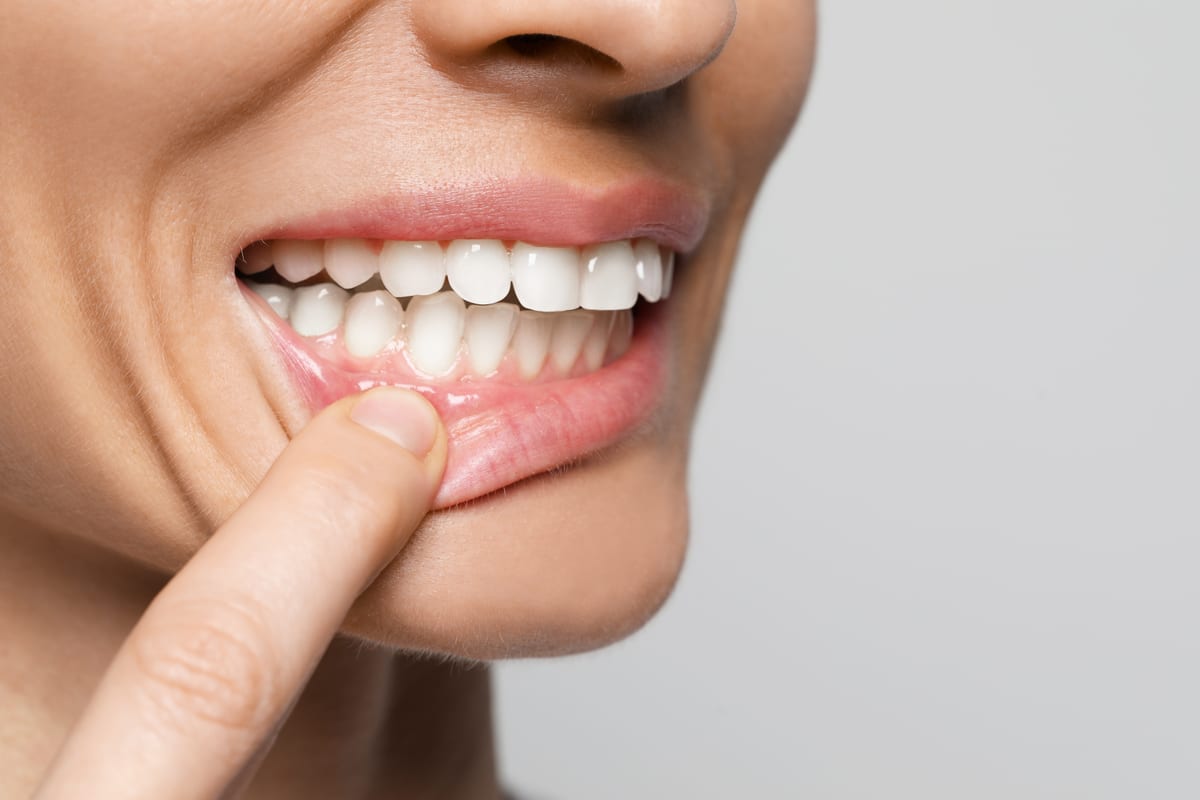
- Teeth that are flattened, fractured, chipped or loose
- Worn tooth enamel
- Increased tooth sensitivity to hot and cold temperatures
- Jaw pain or tightness in the jaw muscles
- Earache headaches neck pain
- Damage to your temporomandibular joint (TMJ)
Symptoms of Bruxism
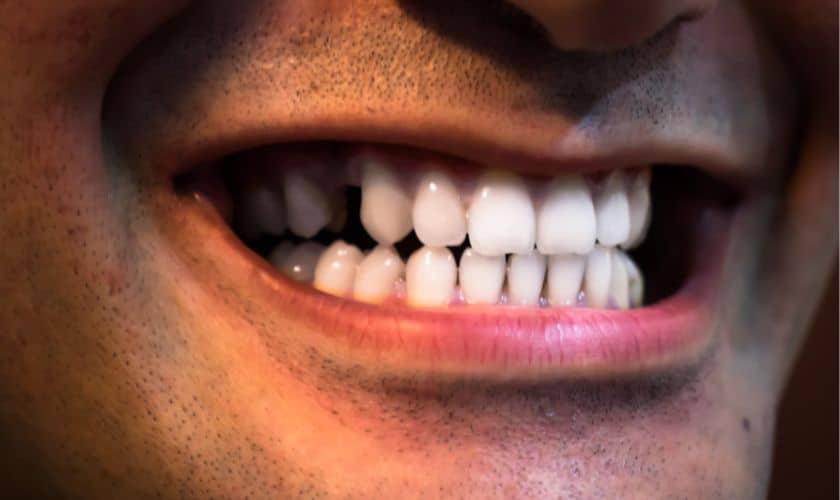
There are a number of different symptoms that can be associated with bruxism, and it is important to be aware of them so that you can seek treatment if necessary. The most common symptom is grinding or clenching of the teeth, which can often be heard by others. This can lead to a number of other symptoms, such as headaches, jaw pain, earache, and even neck pain. Bruxism can also cause damage to the teeth, including wear and tear, chips, and cracks.
Causes of Bruxism
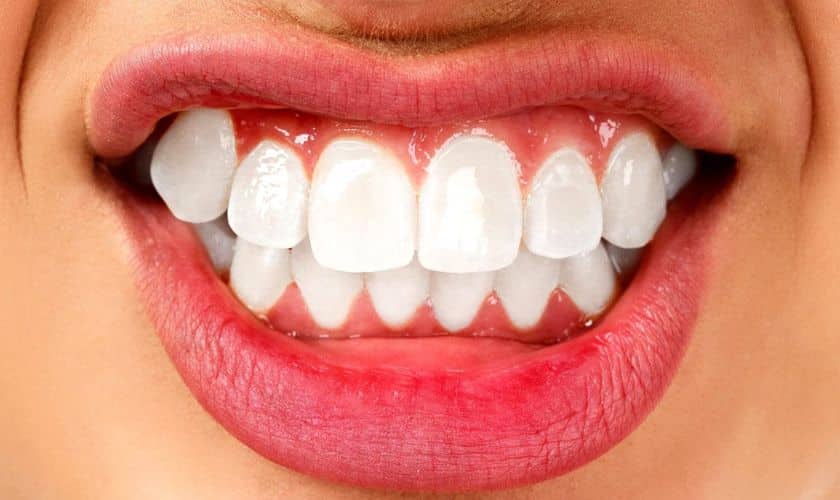
There are numerous potential causes of bruxism, but the exact cause is often unknown. Some possible causes include:
-Stress and anxiety: Stress and anxiety are common triggers for bruxism. If you’re constantly feeling stressed or anxious, it can lead to teeth grinding or clenching.
-Teeth misalignment: If your teeth are not properly aligned, it can put extra stress on your jaw muscles and lead to teeth grinding.
-Caffeine: Caffeine is a stimulant that can increase muscle activity and make you more likely to grind your teeth.
-Sleep disorders: Sleep disorders like sleep apnea or insomnia can cause bruxism because they disrupt normal sleep patterns. This can lead to teeth grinding during the night.
-Medications: Certain medications, such as antipsychotics and antidepressants, can cause bruxism as a side effect
Treatment for Bruxism
There is no one-size-fits-all approach to treating bruxism, as the condition can be caused by a variety of underlying issues. However, there are some general treatment options that may help to reduce or eliminate bruxism.
Behavioral therapies: One type of therapy that may be helpful for treating bruxism is called habit reversal training. This therapy involves becoming aware of when you are grinding or clenching your teeth and then learning to do a different action in its place (such as holding a soft object in your mouth).
Stress management: If stress or anxiety is a trigger for your bruxism, learning stress management techniques may help. Options include relaxation exercises, yoga, meditation, and deep breathing exercises.
Oral appliances: There are various oral appliances that can be worn at night to help prevent teeth grinding. These appliances work by holding the jaw in a relaxed position or by providing a barrier between the upper and lower teeth.
Medications: In some cases, medications may be prescribed to treat bruxism. Options include muscle relaxants, antidepressants, and botulinum toxin injections.
Can Bruxism be Prevented?
There are many ways that you can do to prevent bruxism. Here are some tips:
• Avoid foods and drinks that contain caffeine, such as coffee, tea, energy drinks, and chocolate. Caffeine is a stimulant and can increase your levels of stress, which can lead to teeth grinding.
• Avoid alcohol. Alcohol can relax the muscles in your jaw and lead to teeth grinding.
• Quit smoking. Smoking increases your risk of gum disease, which can lead to teeth grinding.
• Manage stress. Stress is a common trigger for bruxism. If you’re feeling stressed, try relaxation techniques such as yoga or meditation.
• Get regular dental checkups. Your dentist can identify early signs of bruxism and help you find ways to prevent it from getting worse.
FAQs
What are the symptoms of Bruxism?
The most common symptom of bruxism is waking up with a dull headache or sore jaw. You may also notice that your teeth are sensitive to hot or cold drinks or that your gums are swollen and tender. If you grind your teeth at night, you may notice that your partner complains of a loud noise coming from your mouth.
What causes Bruxism?
The exact cause of bruxism isn’t fully understood. It may be due to a combination of physical, psychological, and genetic factors. Physical factors include also misaligned teeth.