
Burning Mouth Syndrome:Learn about symptoms, causes, and treatment
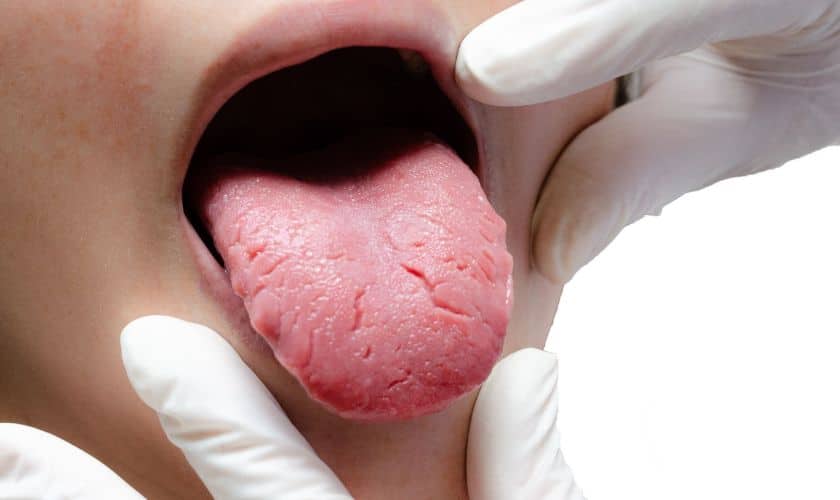
A heated feeling or sensation that can affect your tongue, lips, palate, or other parts of your mouth is known as “Burning Mouth Syndrome” (BMS). Another name for BMS is “glossodynia.”
This sensation is caused by modifications in the way your mouth’s nerves communicate with your brain, for example, about temperature and taste. You may experience scorching or discomfort when your brain interprets these signals incorrectly.
Your mouth won’t be hot to the touch, even if certain areas could feel like they’re on fire. In the injured areas, you might not notice any redness or soreness.
BMS is sometimes referred to as “neuropathic pain” because it results from injury to the
What causes BMS?
It’s challenging to determine. Nobody is certain of the exact cause of BMS. Still, a few potential reasons are as follows:
- Hormone changes.
- Depression, anxiety, or stress.
- issues related to your immune system.
- injury to the nerves that regulate pain and taste.
- a response to specific brands of mouthwashes or toothpaste.
- allergies to the materials used to produce dentures or poorly fitting dentures.
Are there any medical conditions that can cause it?
There are some medical conditions which might cause BMS. They are:
- Dry mouth.
- Acid reflux (when acid from your stomach comes up into your mouth).
- Candida, or thrush, is a fungal infection of the mouth.
- Nutritional deficiencies (your body not producing or storing enough iron, vitamin B12, or folic acid, for example).
- Diabetes.
- thyroid issues.
Multiple causes may be present in BMS instances.
Who does it affect?
Although BMS can affect anybody, it is more prevalent in middle-aged or older women going through menopause, also known as “the change.”
What kind of problems might I have?
Your tongue, palate, lips, gums, or inside your cheek may burn in a moderate to severe way.
For many individuals, the sensation commences in the morning, intensifies by the evening, and frequently subsides by nightfall. Some folks always experience burning. Others have intermittent pain. Additional symptoms could be a metallic or bitter taste, dry or painful lips, or numbness or tingling of the tongue or mouth.
BMS is frequently described as feeling like hot food or drink scalding your mouth.
Your tongue, palate, lips, gums, or inside your cheek may burn in a moderate to severe way.
For many individuals, the sensation commences in the morning, intensifies by the evening, and frequently subsides by nightfall. Some folks always experience burning. Others have intermittent pain. Additional symptoms could be a metallic or bitter taste, dry or painful lips, or numbness or tingling of the tongue or mouth.
BMS is frequently described as feeling like hot food or drink scalding your mouth.
How is it diagnosed?
To identify the source of the issue, your dentist will perform a comprehensive examination of your mouth. Your medical history will also be reviewed, and you might be referred to your physician for “investigations.” To check for infections, dietary deficiencies, or other medical issues, these could be swabs or blood tests.
A dermatologist with expertise in allergy testing might be required for you. If necessary, your physician can recommend you for this.
Blood tests might also be necessary to determine whether you have diabetes or thyroid issues, for example.
What treatments are there?
The causes of BMS can affect the treatment options.
If a bad diet is the cause of your BMS, your dental experts can suggest supplements for you. Your dental staff may also replace or reposition uncomfortable dentures or give you medication to treat a fungal infection in your mouth if necessary.
Low-dose antidepressants and counseling may be prescribed by certain medical professionals. This is due to the fact that BMS can “wear down” some individuals and lead to despair as a result of their ongoing struggle with pain. If dry mouth—a side effect of some medications—is the reason for your BMS, your doctor may also adjust your medication.
Other therapies that have been reported to help some people cope with stress include yoga, meditation, hypnotherapy, and relaxation.