Protecting Your Veneers: Can Whitening Strips Damage Porcelain Veneers?
Porcelain veneers have become a popular choice for those looking to enhance their smile. These thin, custom-made shells cover the front surface of teeth, providing a natural-looking, aesthetically pleasing result. However, once you have veneers, maintaining their pristine condition requires specific care. One common question among veneer owners is whether whitening strips can damage porcelain veneers. In this comprehensive guide, we will explore the impact of whitening strips on veneers, how to care for your veneers properly, and alternative whitening methods to keep your smile bright and beautiful.
Understanding Porcelain Veneers
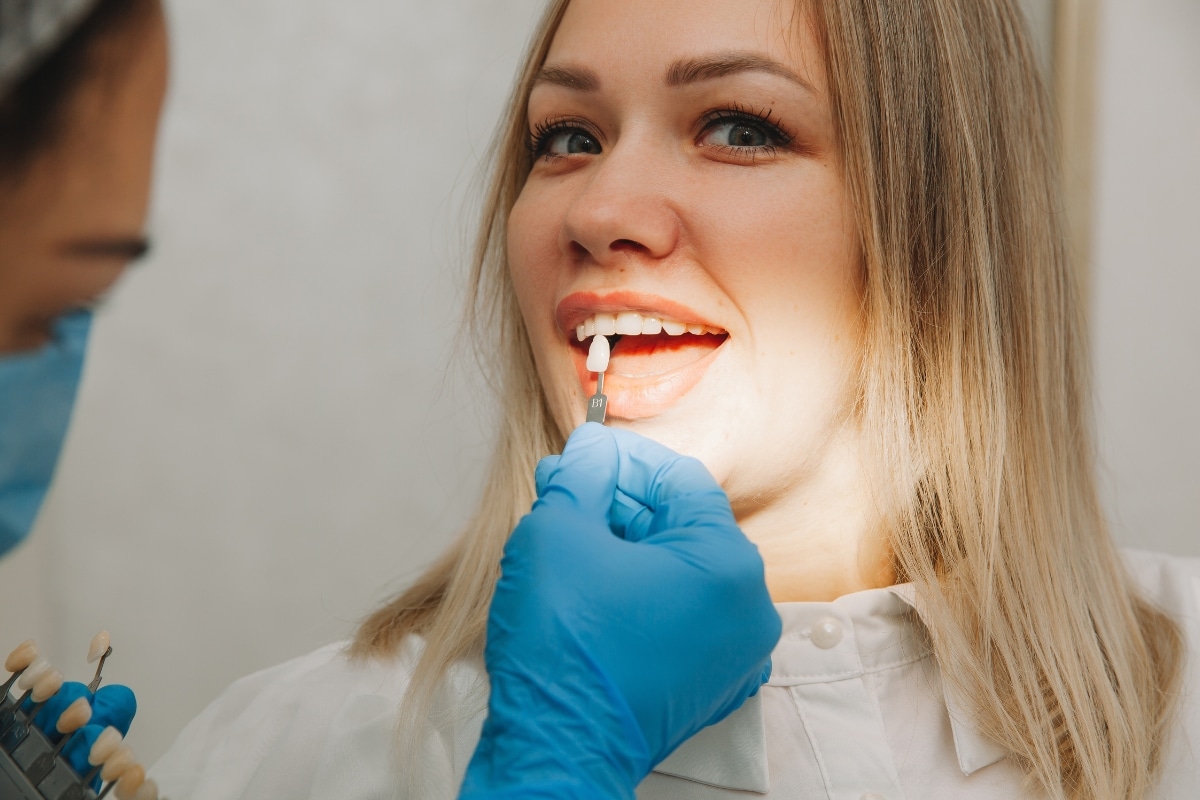
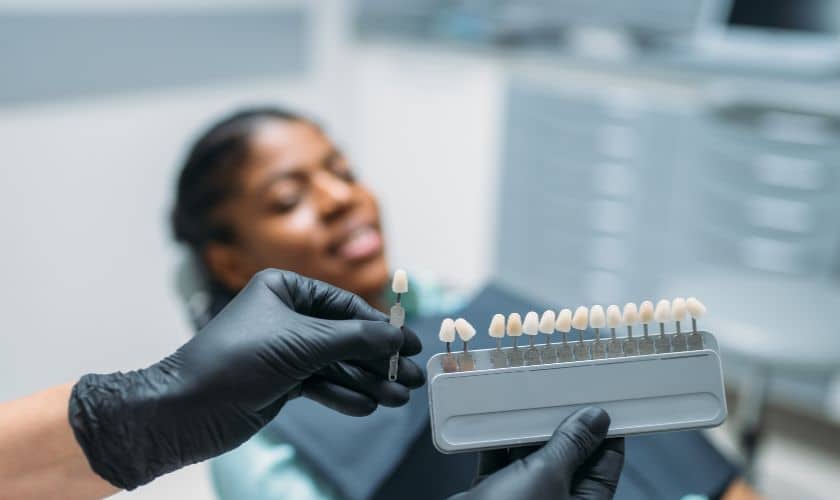
Porcelain veneers are a cosmetic dental treatment designed to improve the appearance of teeth. Made from durable ceramic material, veneers are bonded to the front surface of teeth to address various dental issues such as discoloration, chips, gaps, and misalignment. They are custom-made to match the color and shape of your natural teeth, providing a seamless and attractive appearance.
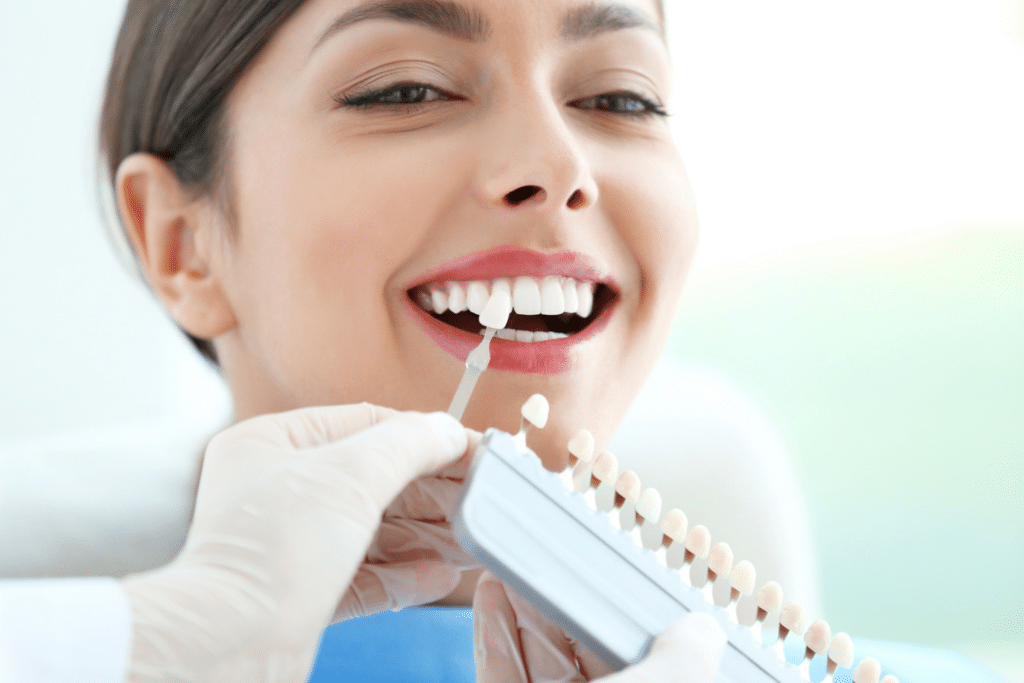
The Appeal of Whitening Strips
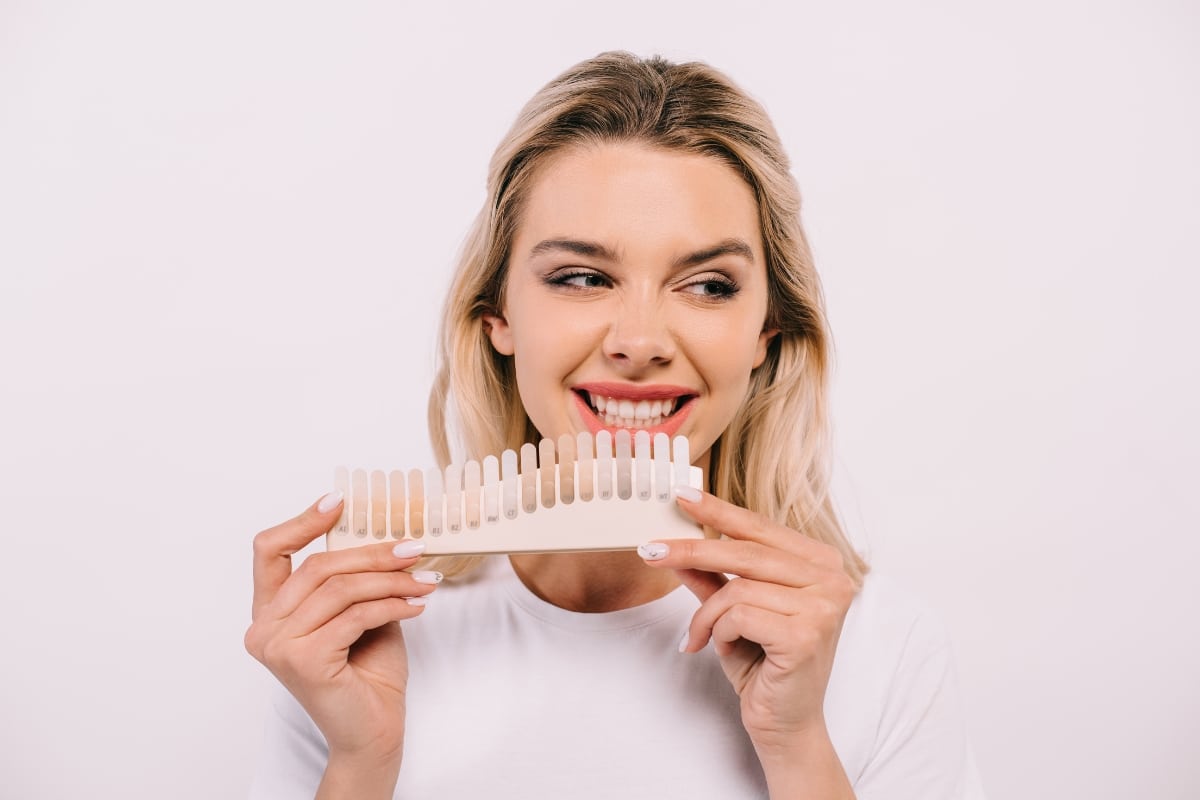
Whitening strips are a widely used over-the-counter solution for teeth whitening. These strips are coated with a peroxide-based whitening gel that helps remove stains and brighten teeth. They are convenient, affordable, and can be used at home, making them a popular choice for those looking to achieve a whiter smile without a visit to the dentist.
Can Whitening Strips Damage Porcelain Veneers?
A common concern among individuals with porcelain veneers is whether whitening strips can harm these dental restorations. To understand the potential risks, it’s essential to consider the composition and properties of both whitening strips and porcelain veneers.
The Composition of Whitening Strips
Whitening strips typically contain hydrogen peroxide or carbamide peroxide as the active whitening agents. These peroxides penetrate the enamel of natural teeth to break down stains and whiten the teeth. While effective for natural teeth, these chemicals can have different effects on dental restorations like veneers.
The Properties of Porcelain Veneers
Porcelain veneers are made from a strong, stain-resistant ceramic material. Unlike natural teeth, which are porous and can absorb stains, porcelain veneers have a non-porous surface that resists discoloration. This is one of the reasons why veneers maintain their bright appearance over time. However, the surface of porcelain veneers can still be affected by certain chemicals and abrasive substances.
Potential Risks of Using Whitening Strips on Veneers
- No Whitening Effect: Whitening strips are designed to penetrate the enamel of natural teeth. Since porcelain veneers do not have the same porous structure, the whitening agents in the strips will not have the desired effect on them. This means that using whitening strips on veneers will not make them whiter.
- Surface Damage: The chemicals in whitening strips can be harsh and potentially abrasive. While porcelain is a strong material, repeated exposure to peroxide-based whitening agents can lead to surface damage. This can result in the veneer losing its shine and becoming more susceptible to stains and wear.
- Bonding Weakness: Veneers are bonded to the teeth using a strong adhesive. The chemicals in whitening strips could potentially weaken this bond over time, leading to issues with the veneer staying securely attached to the tooth.
Proper Care for Porcelain Veneers
Maintaining the appearance and integrity of your porcelain veneers requires a dedicated oral hygiene routine and mindful practices. Here are some essential tips to care for your veneers:
1. Regular Brushing and Flossing
Like natural teeth, veneers require regular brushing and flossing to remove plaque and prevent gum disease. Use non-abrasive toothpaste and a soft-bristled toothbrush to avoid scratching the surface of the veneers. Floss daily to remove food particles and plaque buildup between the teeth.
2. Avoid Stain-Causing Foods and Beverages
While porcelain veneers are resistant to stains, the natural teeth around them are not. To keep your smile uniformly bright, limit the consumption of stain-causing foods and beverages such as coffee, tea, red wine, and berries. If you do consume these items, rinse your mouth with water afterward to minimize staining.
3. Regular Dental Check-Ups
Routine dental check-ups are crucial for maintaining the health of your veneers and natural teeth. Your dentist can professionally clean your veneers, check for any signs of damage, and ensure that they remain securely bonded to your teeth.
4. Avoid Abrasive Dental Products
Steer clear of abrasive toothpaste and harsh whitening products. These can scratch the surface of your veneers, making them more susceptible to staining and damage. Opt for dental products specifically designed for use with veneers or consult your dentist for recommendations.
5. Wear a Mouthguard
If you participate in contact sports or grind your teeth at night, wearing a mouthguard is essential to protect your veneers from damage. A custom-fitted mouthguard can prevent chipping, cracking, or dislodging of your veneers.
Porcelain veneers are a valuable investment in your smile, offering a long-lasting solution to various dental imperfections. While whitening strips are a popular choice for brightening natural teeth, they are not suitable for use on veneers. The chemicals in whitening strips can potentially damage the surface of veneers, weakening their bond and diminishing their shine.
To protect your veneers and keep your smile looking its best, it is essential to follow a dedicated oral hygiene routine, avoid abrasive dental products, and consult your dentist for professional cleaning and veneer-safe whitening treatments. By taking these steps, you can enjoy a bright, beautiful smile with veneers that stand the test of time.
FAQ
Q: Can I use whitening toothpaste on my porcelain veneers?
A: It’s best to avoid abrasive whitening toothpaste on porcelain veneers as it can scratch their surface. Use a non-abrasive toothpaste recommended by your dentist.
Q: How often should I visit my dentist for veneer maintenance?
A: Regular check-ups every six months are ideal. Your dentist can monitor the condition of your veneers and perform professional cleanings to keep them looking their best.
Q: What should I do if my veneers become discolored?
A: If your veneers become discolored, consult your dentist. They can recommend appropriate treatments or replace the veneers if necessary.
Q: Are there any foods I should avoid to protect my veneers?
A: Avoid very hard foods that can chip your veneers, and limit consumption of stain-causing foods and beverages like coffee, tea, and red wine.
Q: Can I use over-the-counter whitening products on my natural teeth if I have veneers?
A: Consult your dentist before using any over-the-counter whitening products. They can recommend safe options that won’t harm your veneers.
Better oral health starts here
Related Articles