Cracked Tooth at 11 PM in Chicago? What to Do in the Next 60 Minutes
Call us right now at (773) 929-4140 if you’ve just cracked your tooth and need immediate care! Accidents happen unexpectedly and can cause immense discomfort, such as from a cracked tooth. Whether you are at home in Lakeview, visiting the great attractions on the Magnificent Mile, or relaxing at home in your Chicago apartment, you must take action as soon as possible to minimize further damage. Don’t delay! You can count on us for support over the next 60 minutes until you reach your emergency dentist’s office. We will provide you with the instructions you need to minimize damage and relieve pain.
You may feel overwhelmed if you’ve broken your tooth during non-business hours. However, by staying calm and following the proper instructions, you will be prepared for your appointment, and your tooth will be prepared for treatment. Let’s get started!
1. Remain Calm & Identify Extent of Damage
Once you realize you have a broken tooth, the first step is to evaluate the extent of the damage. Here are some tips on how to evaluate the damage:
- Pain Level: What kind of pain are you feeling? For example, is it a sharp shooting pain, a throbbing painful feeling, or just a dull, constant ache? Evaluating how much pain you are experiencing will give you an idea of how serious the crack might be.
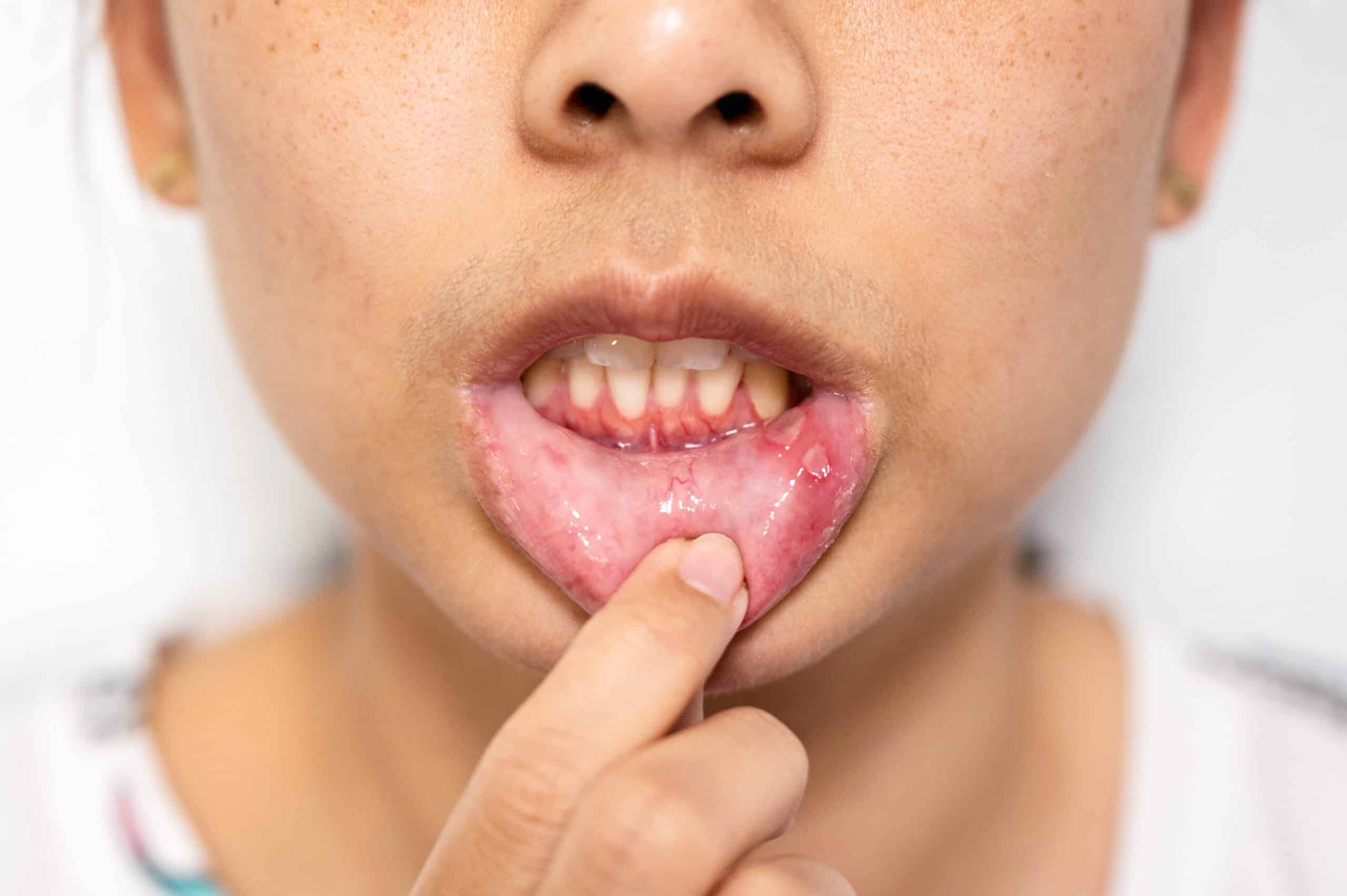
- Visual Damage: Look in the mirror and see how your broken tooth looks. Take note of how much tooth is missing or broken.
- Excessive Bleeding: Is there blood surrounding the gum area on the tooth? Rinse your mouth with warm water to remove debris.
After you evaluate the damage, you will be better informed to move forward. Stay calm, but remember to act quickly—contact our emergency dentist in Lakeview and Roscoe Village, Chicago, right away for immediate care!
2. Controlling Pain and Protecting the Tooth
After assessing the broken tooth, focus on managing pain and protecting it. Here are things you can do:
- Ice to Help with Pain and Swelling: Apply an ice pack or cold compress to the outside of your face (near the broken tooth). This will provide some numbness and lessen the swelling. Apply for 15 to 20 minutes.
- Over-the-Counter Pain Relief: You can take an over-the-counter pain reliever, such as ibuprofen, to help with the pain (do not take aspirin because it thins the blood).
- Avoid Chewing: Do not chew on the side of your broken tooth, eat only soft food, and avoid anything too hot or cold that may irritate the exposed nerve.
If you follow these suggestions to reduce pain and protect your broken tooth, you will put yourself in a good position to see an emergency dentist.
3. Call Your Emergency Dentist ASAP
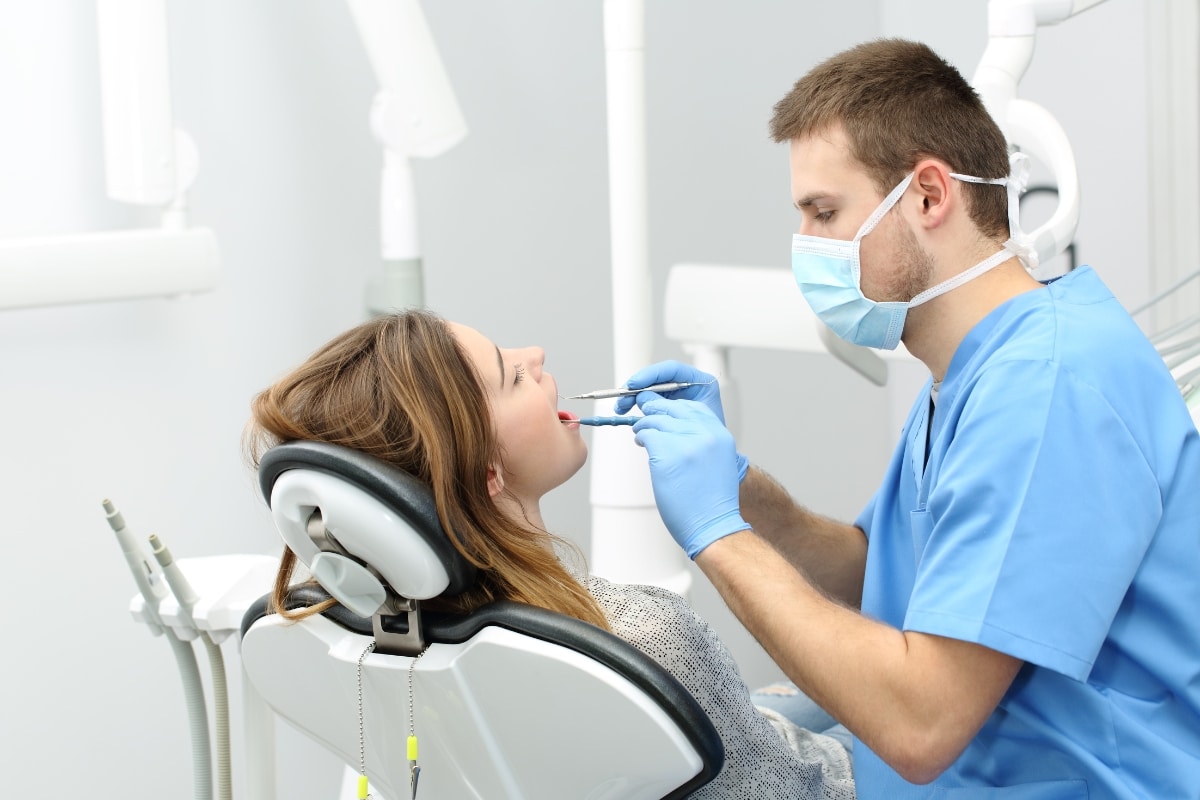
Once you have assessed the fracture of your tooth and have controlled the pain, it is time to call your emergency dentist in Lakeview and Roscoe Village, Chicago. Do not wait; the sooner you call, the sooner you can be treated, and the more likely you are to prevent further damage.
When you call your emergency dentist:
- Explain What Happened: Let the receptionist know what happened when your tooth broke and how much pain you are experiencing so that they can assess how urgent your needs are.
- Ask for Immediate Assistance: Your emergency dentist may have some tips or temporary measures to help with your tooth until you can get into the office.
- Find Out if They Have Availability: Some emergency dentists will work with you after hours or schedule you in as quickly as they can.
If you’ve been dealing with a cracked tooth, you can’t afford to wait—call us now at (773) 929-4140 for urgent care and an immediate appointment.
4. Don’t Touch the Cracked Tooth
A very common and dangerous reaction to a cracked tooth, experienced by many people, is the urge to repair it on their own. Don’t do that! Here’s why:
- Don’t Try to Fix It: We know it may feel like a good idea to glue your broken tooth by yourself, but in fact, that’s the worst thing you can do. If you want your tooth to be properly restored, you’d better keep the broken tooth as it is.
- Don’t Bite Down: It is advisable not to put any pressure on the tooth. Biting down can cause the fracture to widen and result in pain.
The less the tooth is damaged, the higher the chance that the restoration will be successful after you have seen the emergency dentist.
5. Get Ready for Your Visit
Once the emergency dentist is available, you should be ready. Here are some things you may need to bring with you:
- Insurance Details: If you have dental insurance, bring your card or other relevant documents to make your dental visit easier.
- Medication Record: Inform your dentist if you have taken any medication for pain relief or other purposes.
- Questions or Doubts: If you are not sure what will actually be done (a crown, a root canal, or removal), have your questions ready for the dentist.
Until you get the appointment, keep trying the pain-relieving methods. Protecting your tooth is really important until the dentist can fix it.
Conclusion: Get Instant Assistance at In Smyle Dental
Handling a cracked tooth can be quite painful. However, if you act quickly, you can save your tooth and access the treatment it needs. If you are a local to Chicago and experience a dental emergency, please do not hesitate to call us immediately at (773) 900-5055. Our highly trained personnel are at your disposal to help you get your smile back in no time and with minimal discomfort. At In Smyle Dental, we realize that dental emergencies cannot be scheduled according to business hours. For that matter, we are here to provide you with prompt and kind treatment at any time of day.
Whether you require a temporary or permanent solution, we are here for you. Give us a call right away to book your emergency dentist in Lakeview and Roscoe Village, Chicago!
Common Questions About Dental Emergencies
1. What should I do if I crack my tooth at night?
Call your emergency dentist immediately to schedule an appointment. In the meantime, manage the pain with a cold compress and pain relievers.
2. How long can I wait to see a dentist after cracking my tooth?
It’s best to see a dentist within 24 hours to prevent further damage or infection.
3. Can I fix a cracked tooth myself?
No, never attempt to fix a cracked tooth yourself. Always seek professional care to prevent the damage from worsening.
4. Will I need a root canal if my tooth is cracked?
A root canal may be necessary if the crack reaches the pulp or nerve of the tooth.