Sustainability And Smiles: The Eco-Friendly Materials In Modern Invisalign Treatment
In recent years, sustainability has become a key focus in various industries, including dentistry. As people become more conscious of their environmental impact, the demand for eco-friendly products and practices has grown significantly. One area where this trend is particularly evident is in modern orthodontic treatments, such as Invisalign. In this blog post, we’ll explore the innovative use of sustainable materials in this modern Invisalign treatment and how they are shaping the future of orthodontics.
The Rise of Eco-Friendly Orthodontics
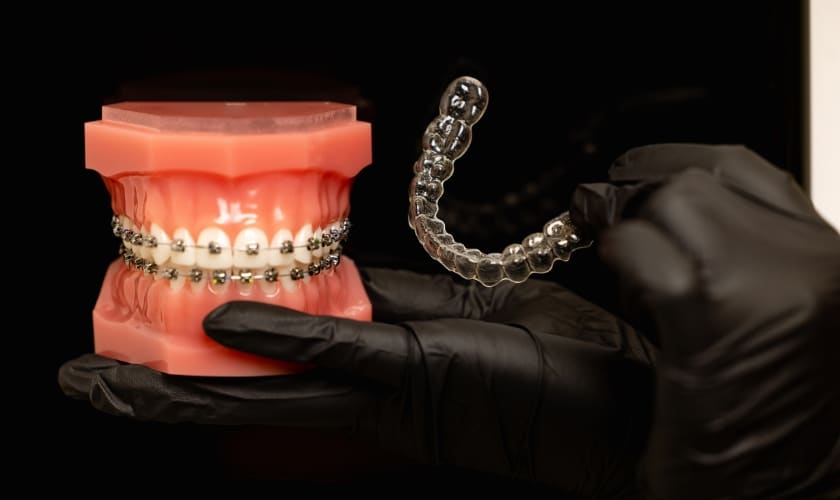
Traditional orthodontic treatments, such as metal braces, have long been criticized for their environmental impact. These treatments often rely on materials that are not easily recyclable and can contribute to waste. In contrast, Invisalign has emerged as a more sustainable alternative thanks to its use of eco-friendly materials.
Eco-Friendly Materials in Invisalign
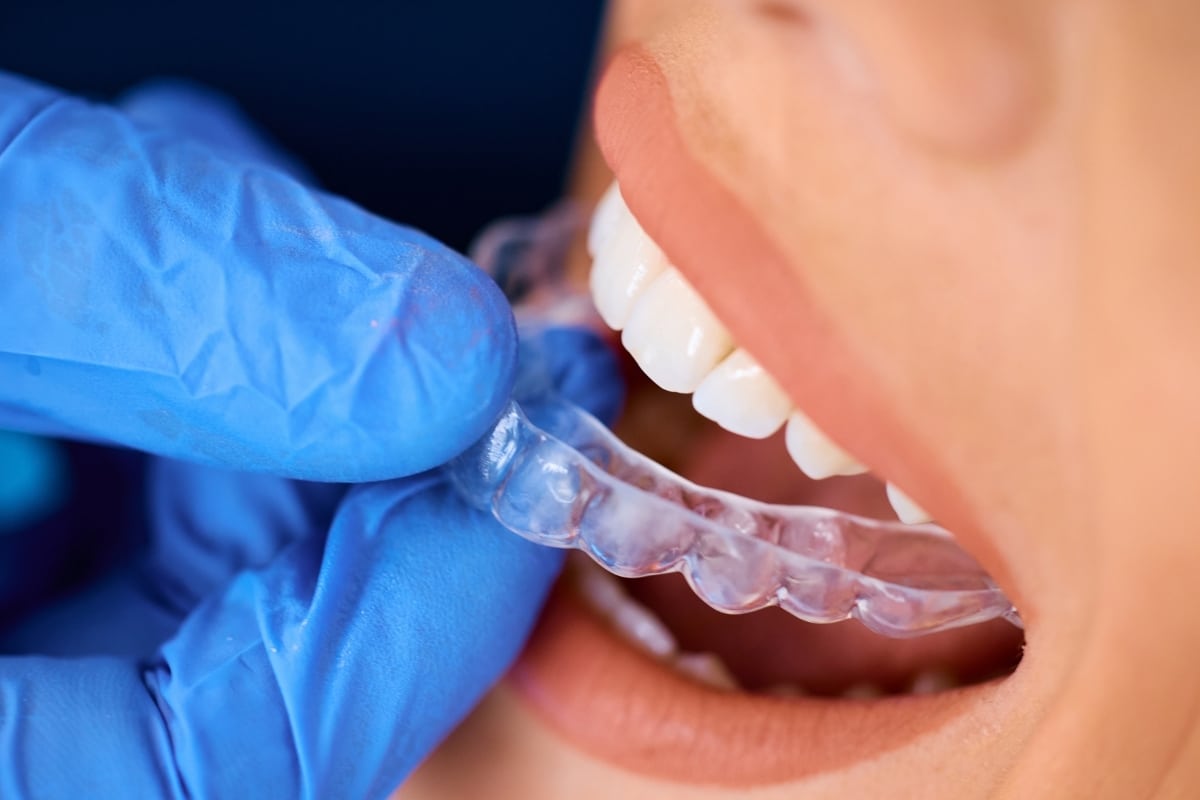
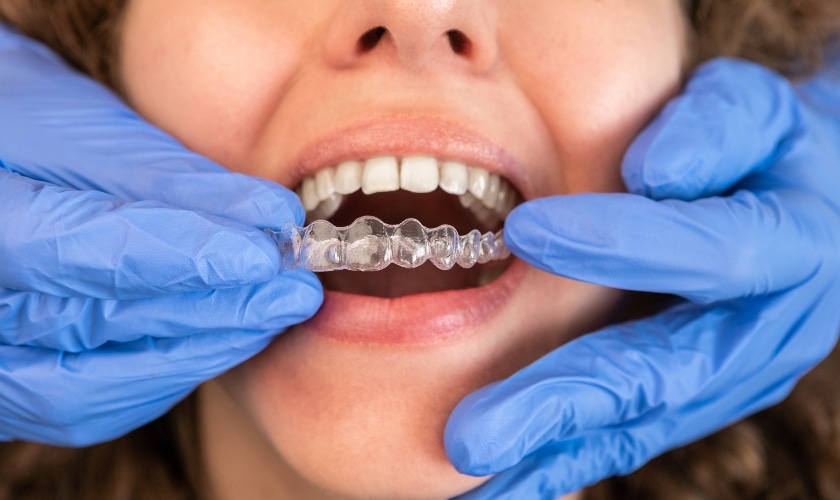
Invisalign aligners are not only renowned for their effectiveness in straightening teeth but also their use of innovative, eco-friendly materials. Unlike traditional braces, which are often made from metal and can be difficult to recycle, Invisalign aligners are crafted from SmartTrack material, a proprietary blend of biocompatible plastics.
SmartTrack Material: This advanced material is not only free from BPA and phthalates but it is also designed to be more comfortable. Also, it causes less irritation to the gums and soft tissues of the mouth.
Biocompatibility: The biocompatibility of SmartTrack material means that it is well-tolerated by the body. As a result, it reduces the risk of allergic reactions or other adverse effects. This is particularly important for patients with sensitivities or allergies to certain materials.
Durability and Longevity: In addition to being eco-friendly, SmartTrack material is also incredibly durable, reducing the need for frequent replacements. Invisalign dentists believe that it not only saves patients time and money but also reduces the amount of waste generated by the treatment.
Recyclability: While Invisalign aligners are not meant to be recycled due to hygiene reasons, the company has implemented recycling programs for used aligners. Patients can return their used aligners to be responsibly disposed of, further reducing the environmental impact of the treatment.
Reducing Carbon Footprint
This modern Invisalign treatment is not only environmentally friendly in its use of materials but also in its overall carbon footprint. This is due to several factors that set it apart from traditional braces in terms of sustainability.
Digital Technology: One of the key ways Invisalign reduces its carbon footprint is through the use of digital technology in treatment planning and fabrication. Traditional braces often require physical impressions, which can be wasteful and require additional materials. In contrast, Invisalign uses 3D digital scanning to create precise models of the teeth, reducing the need for physical molds and the associated waste.
Energy Efficiency: The manufacturing process for Invisalign aligners is also more energy-efficient compared to traditional braces. The use of digital technology allows for more streamlined production processes. As a result, it leads to reduced energy consumption. Additionally, because Invisalign aligners are custom-made, there is less material waste compared to traditional braces, which are often mass-produced and then customized to fit each patient.
Carbon Offsetting: Invisalign’s parent company, Align Technology, has also taken steps to offset its carbon footprint through various initiatives. These include investing in renewable energy projects and implementing energy-efficient practices in its manufacturing facilities. By offsetting its carbon footprint, Align Technology is working to minimize the environmental impact of its operations.
The Future of Sustainable Orthodontics
Invisalign’s innovative use of sustainable materials is just the beginning, and there are several exciting developments on the horizon.
Biodegradable Aligners
Researchers are exploring the use of biodegradable materials for aligners, which would break down more easily after use. This could significantly reduce the environmental impact of orthodontic treatment, especially when combined with responsible disposal practices.
3D Printing
3D printing technology is revolutionizing the field of orthodontics, allowing for the creation of custom aligners with minimal material waste. This technology is not only more sustainable but also allows for more precise and efficient treatment.
Recycling Programs
As awareness of recycling grows, more orthodontic companies are likely to implement recycling programs for aligners. This would allow patients to return their used aligners to be recycled into new products, reducing the need for virgin materials.
Carbon Offsetting
Orthodontic companies may also increasingly invest in carbon offsetting initiatives to mitigate the environmental impact of their operations. This could involve supporting renewable energy projects or conservation efforts to balance out their carbon emissions.
Modern Invisalign treatment has revolutionized orthodontics in many ways, including its use of eco-friendly materials. By choosing Invisalign, patients can not only achieve a straighter smile but can also do so in an environmentally conscious way. As sustainability continues to be a priority for consumers, it’s clear that eco-friendly orthodontic treatments like Invisalign will play an increasingly important role in the future of dentistry.