Why Is Dry Socket So Painful, and How Does In Smyle Dental Help You Avoid It?
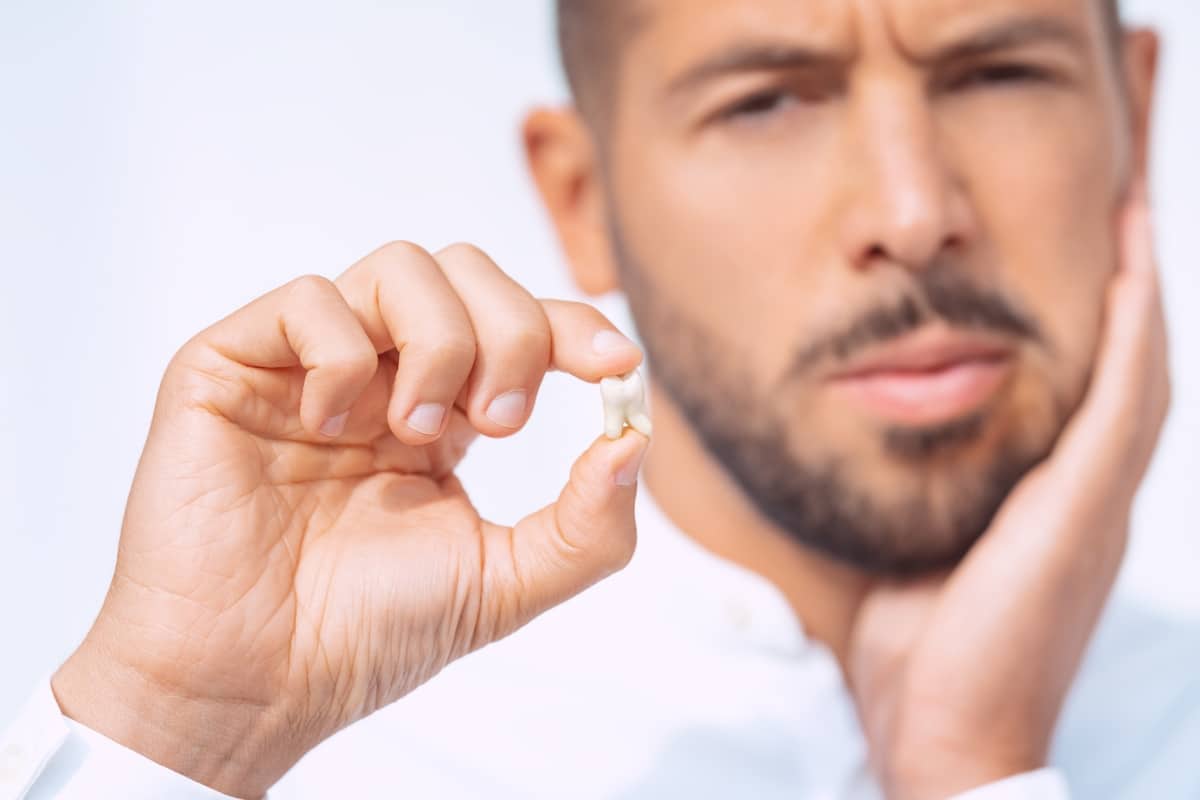
A tooth extraction sounds simple on paper. The tooth comes out, the site heals, and life goes on. But for some patients, healing doesn’t seem so easy. Instead, they wake up a few days later with a deep, throbbing ache that spreads into the jaw, ear, and sometimes the side of the face. That’s dry socket, and it’s widely considered one of the most uncomfortable dental complications you can experience after an extraction.
The good news? It’s preventable. At In Smyle Dental – Lakeview & Roscoe Village, the team takes aftercare seriously, making a real difference for patients in Chicago’s Lakeview and Roscoe Village neighborhoods who are recovering.
What Actually Happens When You Get Dry Socket
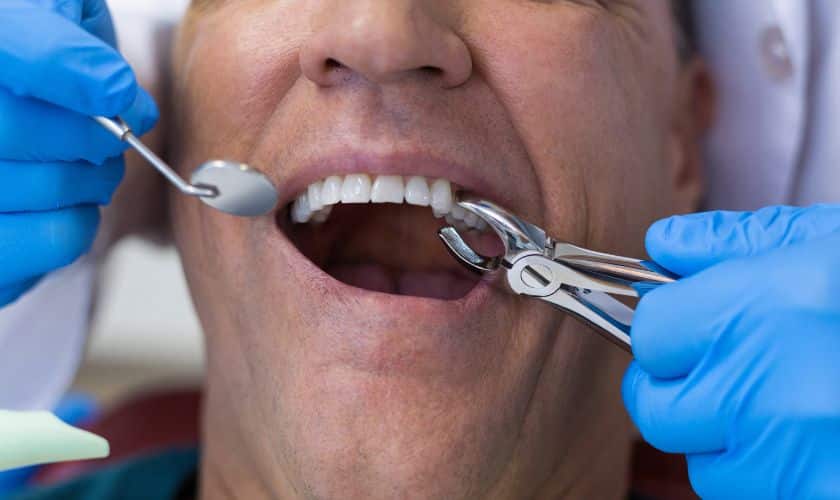
After a tooth is removed, your body forms a blood clot over the empty socket. That clot acts as a protective layer for the underlying bone and nerve endings while new tissue grows in. Dry socket (clinically called alveolar osteitis) occurs when the clot either dissolves too early or is dislodged before healing is complete. The result is exposed bone and nerves, which are extremely sensitive to air, food, fluids, and bacteria. If you’re looking for attentive care during and after a procedure, tooth extraction in Lakeview and Roscoe Village, Chicago, is where patients feel well cared for.
According to the American Dental Association, dry socket affects roughly 2–5% of all tooth extractions, but that number climbs to about 30% for lower wisdom tooth removals. So while it’s not extremely common, it’s not rare either, especially for more complex procedures.
Why the Pain Feels So Intense
Most post-extraction discomfort fades within the first couple of days. Dry socket does the opposite — it gets worse. Pain peaks between day two and day four after the procedure, which is part of what makes it so disorienting. You think you’re healing, and then suddenly things take a turn.
The exposed bone sits right next to nerve-dense tissue, and there’s nothing protecting it from the outside environment. Even breathing through your mouth can trigger discomfort. Common signs include:
- A sharp, persistent ache that radiates toward the ear or temple
- A visible empty socket or exposed bone when you look in the mirror
- An unpleasant taste or smell coming from the extraction area
- Over-the-counter pain relief that doesn’t seem to help much
What Puts You at Higher Risk
Not every patient is likely to develop dry socket. Certain behaviors and health factors make the blood clot more vulnerable to dislodging or failing to form properly in the first place.
Smoking and Tobacco Use
Smoking is one of the biggest risk factors. The suction motion during smoking can physically dislodge the clot, and chemicals in tobacco products interfere with normal tissue healing.
Using a Straw
The same suction issue applies to drinking through straws. For the first few days after extraction, sticking to sipping directly from a cup is one of the simplest ways to protect the socket.
Hormonal Factors
Estrogen levels can affect blood clotting. Studies have shown that people who take oral contraceptives may have a slightly higher risk of developing dry socket.
Poor Oral Hygiene Before the Procedure
Bacteria in the mouth can interfere with proper clot formation. Patients who arrive at their appointment with active gum disease or significant plaque buildup may face a slower, more complicated healing process.
What to Do at Home After Your Extraction
Your dentist’s guidance is your primary resource, but a few general principles apply broadly to post-extraction recovery.
- Keep the bite down firmly on the gauze for the first hour to help the clot form
- Skip straws, hard foods, and anything that requires strong sucking or chewing near the site
- Rinse gently with warm salt water starting the day after extraction
- Hold off on smoking or vaping for as long as possible (at least 72 hours)
- Rest on the first day and avoid physical activity that raises your blood pressure.
If You Still Get Dry Socket, Here’s What Treatment Looks Like
Despite the best precautions, dry socket sometimes still develops. When it does, treatment focuses on managing pain and protecting the site as it heals. Your dentist will clean the socket to remove any food debris or bacteria, then place a medicated dressing directly inside it. This dressing numbs the exposed nerve endings and creates a barrier against further irritation.
Most patients feel significant relief within an hour or two of treatment. The dressing is usually changed every few days until the tissue heals adequately on its own. With prompt attention, dry socket rarely turns into a serious long-term issue.
At In Smyle Dental, the focus is on ensuring your procedure and the days that follow go as smoothly as possible. If you’re in Lakeview, Roscoe Village, or the surrounding Chicago area, the team is ready to walk you through every step.
People Also Ask
How long does dry socket pain last?
Without treatment, dry socket pain can persist for 7–10 days or longer. With proper dental treatment, including medicated dressings, most patients experience noticeable relief within 24–48 hours. Healing is complete within one to two weeks.
Is dry socket dangerous, or just painful?
A dry socket itself is not life-threatening, but it can allow bacteria to enter the exposed area, increasing the risk of infection. If left untreated, that infection can spread. Prompt treatment prevents this from becoming a more serious complication.
Can I eat normally after a tooth extraction?
Not right away. For the first 24–48 hours, soft foods like yogurt, mashed potatoes, and soup are your best options. Avoid anything crunchy, chewy, or small enough to lodge in the socket. Your dentist will tell you when it’s safe to gradually reintroduce a normal diet.
Does rinsing with salt water help prevent dry socket?
Yes, gentle salt water rinses starting the day after extraction can reduce bacteria around the healing socket. The critical word is gentle — aggressive rinsing or spitting can dislodge the clot. Always follow your dentist’s specific instructions on how and when to rinse.
How is an impacted wisdom tooth extraction different in terms of dry socket risk?
Impacted wisdom tooth extractions are more complex, which means greater tissue trauma and a higher baseline risk for dry socket. Your dentist may recommend additional preventive measures for these cases.