Should I Wear A Night Guard
Have you ever woken up with a dull ache in your jaw or a throbbing headache, feeling like you’ve been clenching your teeth all night? You might not be alone. Millions of Americans grind or clench their teeth unknowingly while they sleep, a condition called bruxism. If this sounds familiar, you might be wondering, “Should I wear a night guard?” This blog post will delve into the world of nightguards, exploring their benefits, how they work, and if they’re the right solution for you. But before we dive in, let’s understand why teeth grinding happens and the consequences it can have.
The Grind: Why Do We Do It?
Have you ever woken up with a sore jaw or a dull headache, wondering what nocturnal battle your teeth endured? You might be a victim of bruxism, the technical term for teeth grinding. This common condition leaves many puzzled, as the exact reasons behind it remain a bit of a mystery. But fear not; we’ll shed some light on the possible culprits behind this grinding sensation.
Stress and Anxiety
Life can be a grind, and sometimes, that tension manifests quite literally. Stress and anxiety are top contenders when it comes to teeth-grinding. When we’re stressed or anxious, our bodies go into overdrive. This can lead to unconscious muscle tension, including in the jaw, which can cause us to clench or grind our teeth.
Medications
Certain medications, particularly some antidepressants, can have teeth grinding as a listed side effect. This is because some medications can affect the neurotransmitters in our brain, which can, in turn, influence muscle control and movement. If you suspect your medication might be contributing to your teeth grinding, consult your doctor to discuss alternative options.
Sleep Disorders
Sleep disorders like sleep apnea can also disrupt our slumber and lead to teeth grinding. Sleep apnea is a condition where breathing repeatedly stops and starts during sleep. This disrupts sleep quality and can cause the body to react in unexpected ways, including teeth grinding.
Consequences of Clenching and Grinding
Teeth clenching and grinding, also known as bruxism, is a surprisingly common habit that affects millions of people. While occasional grinding may not cause immediate issues, when it becomes chronic, it can wreak havoc on your teeth, jaw, and even your head. Let’s delve deeper into the consequences of bruxism and why it’s important to address it.
Erosion of Your Pearly Whites
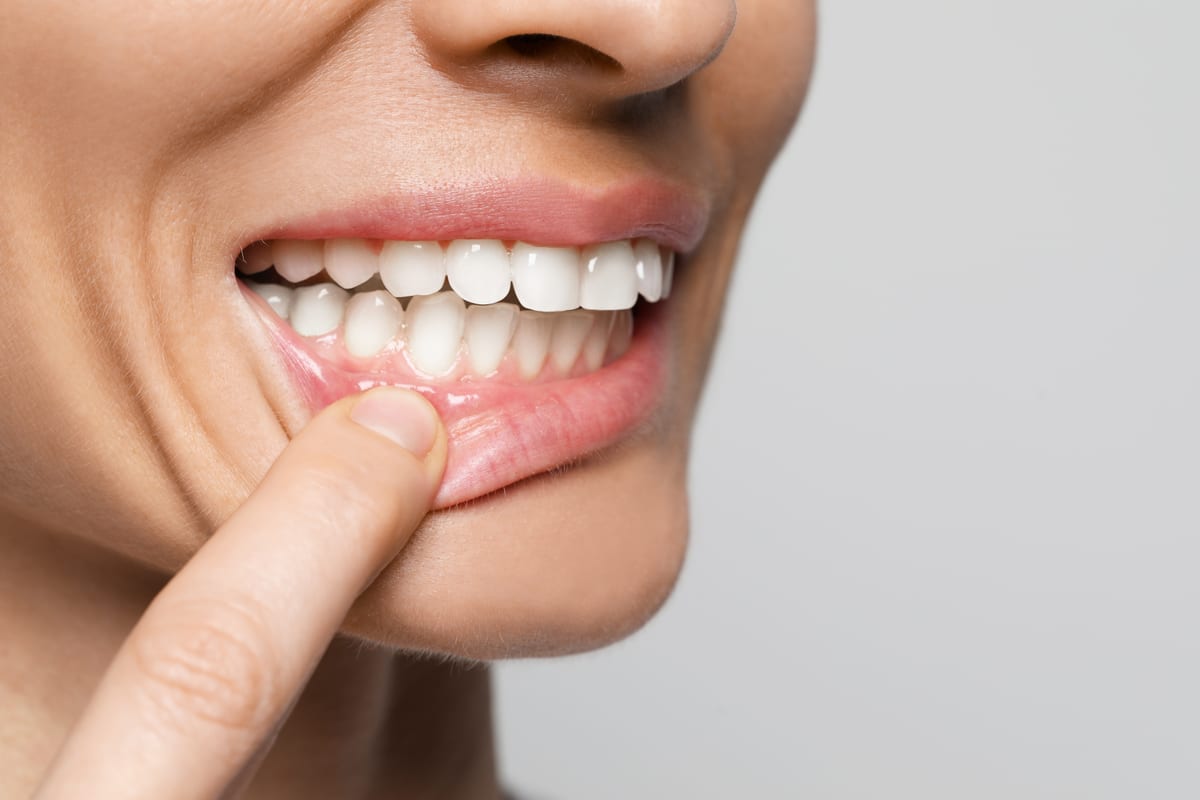
Imagine sandpaper constantly rubbing against your teeth. That’s what happens during grinding. Over time, this friction wears down the hard outer layer of your teeth, the enamel. This erosion exposes the dentin underneath, which is softer and more sensitive. This not only increases your risk of cavities but also makes your teeth hypersensitive to hot, cold, and sweet foods and drinks.
Cracks and Chips: A Bruised Smile
The immense pressure exerted during grinding isn’t just bad for enamel; it can also lead to structural damage to your teeth. Teeth can crack, chip, or even break completely, depending on the severity of bruxism. This not only compromises the aesthetics of your smile but also requires dental interventions like crowns or fillings to repair the damage.
TMJ Troubles: A Jaw Joint Under Siege
The temporomandibular joint (TMJ) is the hinge that connects your jaw to your skull. Bruxism puts immense strain on this joint, leading to inflammation, pain, and stiffness. You might experience difficulty opening or closing your mouth fully, a clicking or popping sound in the jaw, and even facial pain.
Headaches: The Tension Connection
Clenching your jaw creates a lot of tension in the muscles surrounding your head and face. This tension can radiate and contribute to frequent headaches, including tension headaches and even migraines.
Enter the Night Guard: Your Teeth’s Superhero
If you suspect bruxism, a dentist In Chicago, IL, can become your dental dream team, and a nightguard can be your teeth very own superhero!
A Custom-Fitted Shield for Your Smile
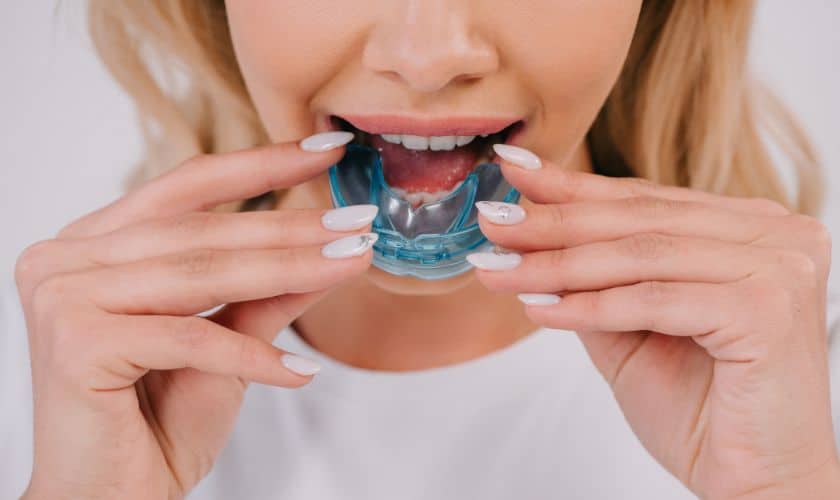
Unlike capes and masks, nightguards are discreet and comfortable. They are custom-made by the Chicago dentist to perfectly fit your unique bite. This precise fit is crucial, as it ensures the night guard stays securely in place while you sleep, providing optimal protection.
Superpower #1: Protection
Imagine your nightguard as a tiny but mighty force field. It creates a barrier between your upper and lower teeth, absorbing the pressure you exert when grinding. This prevents your teeth from coming into direct contact, stopping them from grinding against each other and potentially causing damage.
Superpower #2: Pain Relief
The constant grinding and clenching associated with bruxism can put a strain on your jaw muscles and joints. This can lead to pain in your jaw, headaches, and even earaches. Nightguards act like a stress reliever for your jaw, reducing tension and alleviating the discomfort caused by bruxism.
Superpower #3: Preserving Your Pearly Whites
Your teeth may seem invincible, but their enamel, the hard outer layer, can be worn down over time. Grinding can accelerate this wear and tear, leading to chipped teeth, increased sensitivity, and even problems with chewing. Nightguards act as a shield, preventing your teeth from grinding together and safeguarding your precious enamel.
Superpower #4: Sweet Dreams
The discomfort caused by bruxism can disrupt your sleep. By alleviating pain and preventing teeth grinding, nightguards can help you achieve a more restful night’s sleep. After all, a well-rested you is a superhero in your own right!
Types of Nightguards
There are two main types of nightguards, each with its advantages and considerations:
Hard Night Guards: Typically crafted from strong acrylic, hard night guards provide a durable and long-lasting solution. Due to their rigidity, hard night guards are particularly effective for individuals with severe teeth grinding or clenching.
Soft Night Guards: Made from softer, flexible plastics or thermoplastics, soft night guards prioritize comfort over sheer durability. They offer a gentle cushioning effect for the teeth, making them a good choice for people with mild to moderate bruxism or teeth sensitivity.
Caring For Your Night Guards
- Start slow: Wear your night guard for an hour or two initially, gradually increasing the wear time each night until you can comfortably wear it throughout the sleep cycle.
- Practice relaxation techniques: If the nightguard keeps you awake, try calming activities like reading or light meditation before bed.
- Use a lip balm: A thin layer of lip balm can soothe any irritation caused by the night guard rubbing against your lips.
- Rinse thoroughly: After each use, rinse your night guard with clean, lukewarm water.
- Brush gently: Use a soft-bristled toothbrush and non-abrasive toothpaste (or just water for soft night guards) to remove any surface debris gently.
- Avoid harsh chemicals: Stay away from harsh soaps, mouthwashes containing alcohol, or abrasive cleaners, as they can damage the nightguard.
Whether you should wear a night guard depends on your dental habits and any problems you’re experiencing. If you grind your teeth or clench your jaw at night, a night guard can protect your teeth from damage and reduce headaches and jaw pain. Talk to your dentist in Chicago, IL, about whether a night guard is right for you. Get in touch with In Smyle Dental for any kind of oral issues you’re facing.