
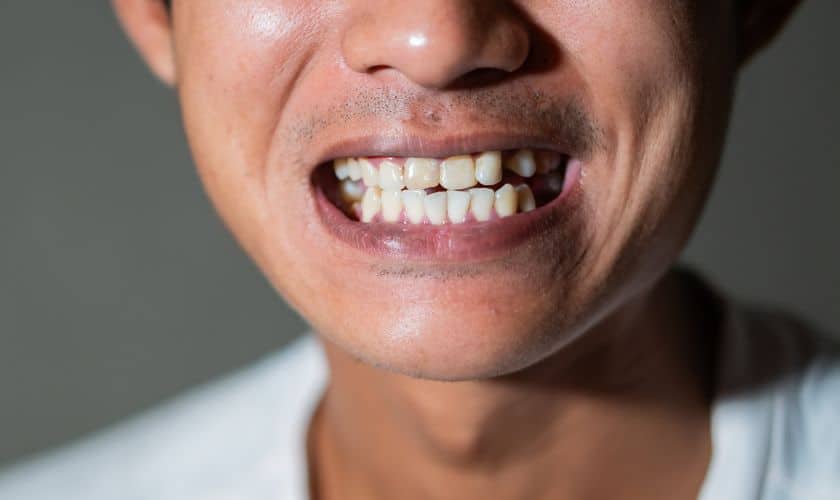
The Connection Between Stress and Bruxism: How to Find Relief
Bruxism, or teeth grinding, often happens unconsciously, usually during sleep. It can stem from various causes, with stress being one of the primary triggers. If you’re living in Chicago and feeling the effects of stress, you might notice an increase in bruxism. Understanding this connection is vital to finding effective relief. This blog explores the link between stress and bruxism, offering practical solutions to help you reclaim your comfort.
What’s Bruxism?
Bruxism involves clenching or grinding teeth during the day or at night. Many individuals unknowingly engage in this habit, leading to significant dental problems. Symptoms can include:
- Jaw pain
- Headaches
- Tooth Sensitivity
- Damage to dental structures
If you notice these signs, addressing the underlying causes is crucial to prevent further issues.
The Role of Stress
Stress can manifest in numerous ways, often leading to physical symptoms like bruxism. When we face challenges, our bodies react with tension, causing muscle clenching, especially in the jaw area. This response can be acute or chronic, depending on individual stress levels.
Common stressors include:
- Work pressure
- Family responsibilities
- Financial concerns
- Major life changes
Recognizing these triggers can help you manage your stress effectively.
The Connection Between Stress and Bruxism
The relationship between stress and bruxism is well-documented. Stress activates the body’s fight-or-flight response, leading to increased muscle tension. This tension can result in grinding teeth, particularly during sleep when you’re less aware of your body’s movements.
Moreover, anxiety can exacerbate bruxism. If you’re feeling overwhelmed, your subconscious may react by grinding your teeth. Thus, managing stress can significantly reduce bruxism episodes.
Identifying Symptoms of Stress-Related Bruxism
Many people might not realize they’re experiencing teeth grinding due to stress. Here are some indicators:
- Worn tooth enamel
- Soreness in the jaw or facial muscles
- Frequent headaches, especially upon waking
- Earaches without any apparent cause
If you notice these symptoms, it’s time to consider stress management techniques.
Effective Stress Management Techniques
Managing stress effectively can significantly alleviate bruxism. Here are several techniques that may help:
1. Mindfulness and Meditation
Practicing mindfulness can help reduce stress. Techniques like meditation and deep breathing exercises can promote relaxation, decreasing the likelihood of teeth grinding. Taking just a few minutes daily to focus on your breath can make a difference!
2. Physical Activity
Engaging in regular physical activity is a great way to manage stress. Whether it’s yoga, running, or cycling, exercise releases endorphins, improving mood and decreasing stress levels.
3. Adequate Sleep
Quality sleep is essential for stress management. Establish a regular sleep schedule, create a calming bedtime routine, and ensure your sleeping environment is comfortable.
4. Talk Therapy
Speaking with a mental health professional can provide valuable tools for managing stress. Cognitive Behavioral Therapy (CBT) is particularly effective in addressing the thoughts and behaviors contributing to stress and teeth grinding.
5. Limit Caffeine and Alcohol
Caffeine and alcohol can increase anxiety and disrupt sleep. Reducing or eliminating these substances can help lower stress levels and improve sleep quality.
Seeking Professional Help for Bruxism
If stress management techniques don’t alleviate your bruxism, consider seeking help from a professional in Chicago. They can provide various treatments, such as:
- Mouthguards: These can protect your teeth and alleviate jaw tension during sleep.
- Botox: Some dentists offer Botox injections to relax the muscles associated with bruxism.
- Dental Correction: Dental treatment may be necessary if misaligned teeth contribute to your grinding.
Don’t hesitate to contact your dentist in Chicago to discuss your symptoms. They can recommend tailored solutions based on your needs.
Bruxism is a common condition often exacerbated by stress. Understanding the connection between stress and bruxism is crucial for finding relief. By implementing effective stress management techniques and seeking professional help, you can reduce your symptoms and improve your quality of life. If you’re in Chicago and struggling with bruxism, consider adopting these strategies today to find relief and enhance your overall well-being.