

Bruxism Treatments (TMJ/TMD)
Bruxism, also known as teeth grinding
Bruxism, also known as teeth grinding
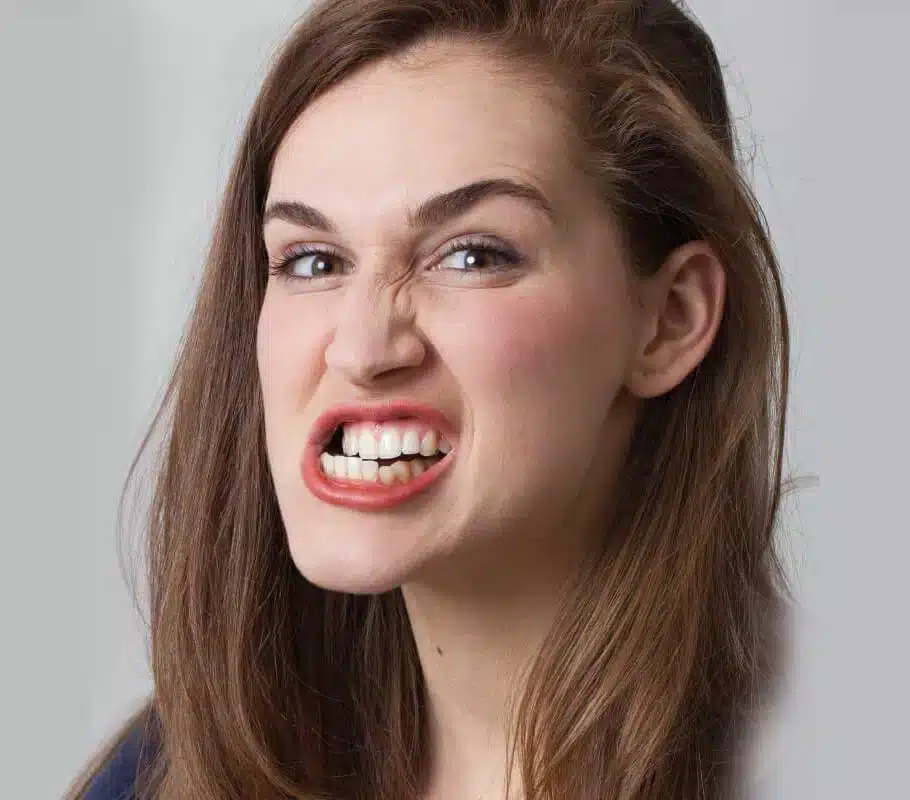
Why should I seek treatment for Bruxism?
Bruxism is considered one of the foremost causes of gum recession and tooth loss.
BOOK NOW
Treatment Options
Even though there is not a known cure for Bruxism, it can be treated with the help of some devices and services.
BOOK NOW
More about Bruxism Treatments
Get a full set of teeth with dental implants.
Bruxism, also known as teeth grinding, is an oral parafunctional activity that occurs in some people at some point in their lives. The two common symptoms of Bruxism include teeth grinding and jaw clenching. It mainly occurs while sleeping and rarely occurs during the day. This sleep disorder requires immediate medical attention since it can damage the teeth. Even though chewing is a neuromuscular activity controlled by a subconscious process, it is still highly controlled by the brain. But while sleeping, the brain becomes inactive while the subconscious process becomes active. Thus it results in Bruxism during sleep. Bruxism can be associated with a few other symptoms such as headache, depression, earaches, anxiety, chronic stress, and eating disorders.
- Gum Recession - Bruxism is considered one of the foremost causes of gum recession and tooth loss. It can lead to loosening of the teeth damage of the soft tissue and create deep pockets wherein bacteria will be able to cause damage to the supporting bone.
- Facial Pain - Teeth grinding can result in shortening of the teeth and also causes bluntness on the teeth. It can further cause muscle pain in the myofascial region and thereby resulting in headaches.
- Occlusal Trauma - Teeth grinding and jaw clenching can cause abnormal wear patterns on the chewing surfaces of the teeth. If left untreated, it could begin with fractures and eventually tooth loss. Restorative treatment may be recommended at a later stage.
- Arthritis - Bruxism can also lead to painful arthritis in the TMJ joints, which allows a person to open and close their jaw smoothly. It occurs in severe cases of Bruxism.
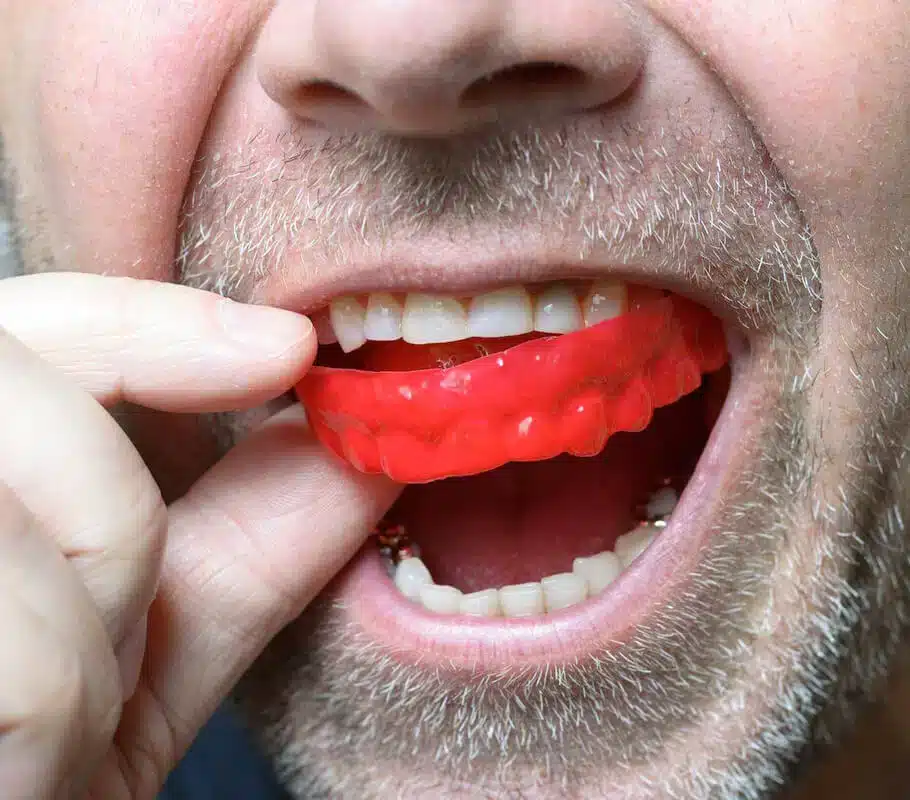
Even though there is not a known cure for Bruxism, it can be treated with the help of some devices and services.
- Mouthguards - Your teeth impressions will be taken by the dentist in Chicago before preparing an acrylic mouthguard. It plays a vital role in minimizing abrasive grinding during normal sleep.
- NTI-tss Device - It is a device which has to be fitted from our office. It is designed to cover the front teeth and thus prevent the grinding of the rear molars. It is done by limiting the contraction of the temporalis muscle present in the jaw.
- Botox® - Botox® requires an injection to be taken in the muscles, which is responsible for doing the bruxing. The injection will disable the muscle and thus prevents grinding. Once the patient can control Bruxism, our dental office can restore the visually aesthetic appearance of the teeth with the help of the crown application, crown lengthening, gum grafts, etc.
