
What Dental Bonding Can Actually Fix (And What It Cannot)
Dental bonding is one of the most popular cosmetic treatments we offer at In Smyle Dental in Chicago. Patients often come in with big hopes — and sometimes unrealistic ones. Understanding what dental bonding can actually fix (and what it cannot) in Chicago helps you make smarter, more confident decisions about your smile. Let’s be completely honest about what this treatment delivers.
What Is Dental Bonding and How Does It Work?
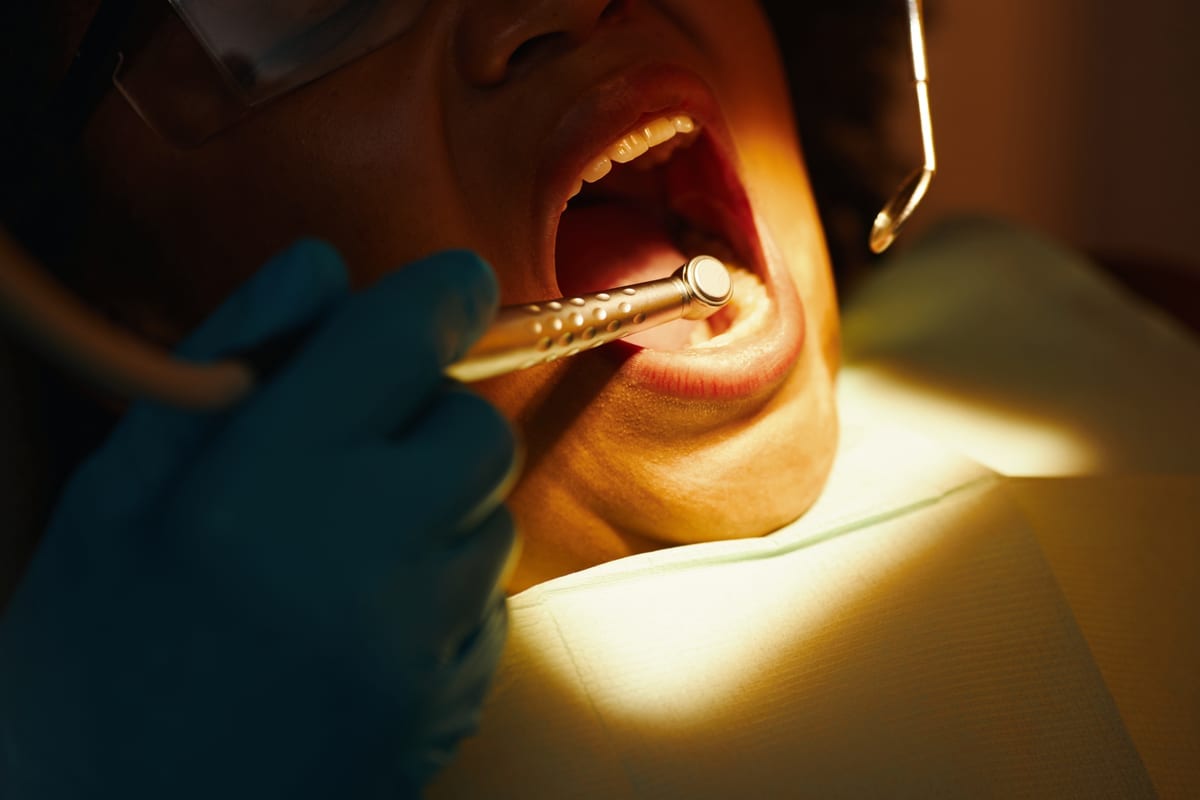
Dental bonding uses a tooth-colored composite resin applied directly to your tooth surface. Dr. Jose M. Mariscal shapes and sculpts the resin by hand. Then a special curing light hardens it in place. The entire process usually takes 30 to 60 minutes per tooth.
The resin bonds chemically to your natural enamel. No drilling is required in most cases. That makes bonding one of the least invasive cosmetic options available. It’s also significantly more affordable than porcelain veneers.
Bonding is completed in a single appointment. There’s no lab work and no waiting period. You leave our Lakeview and Roscoe Village office with a visibly improved smile the same day.
What Dental Bonding Can Actually Fix in Chicago
This is where bonding truly shines. Here are the cosmetic issues it addresses effectively:
- Chipped or cracked teeth — Bonding restores the original shape quickly and naturally.
- Minor gaps between teeth — Small spaces can be closed without orthodontics.
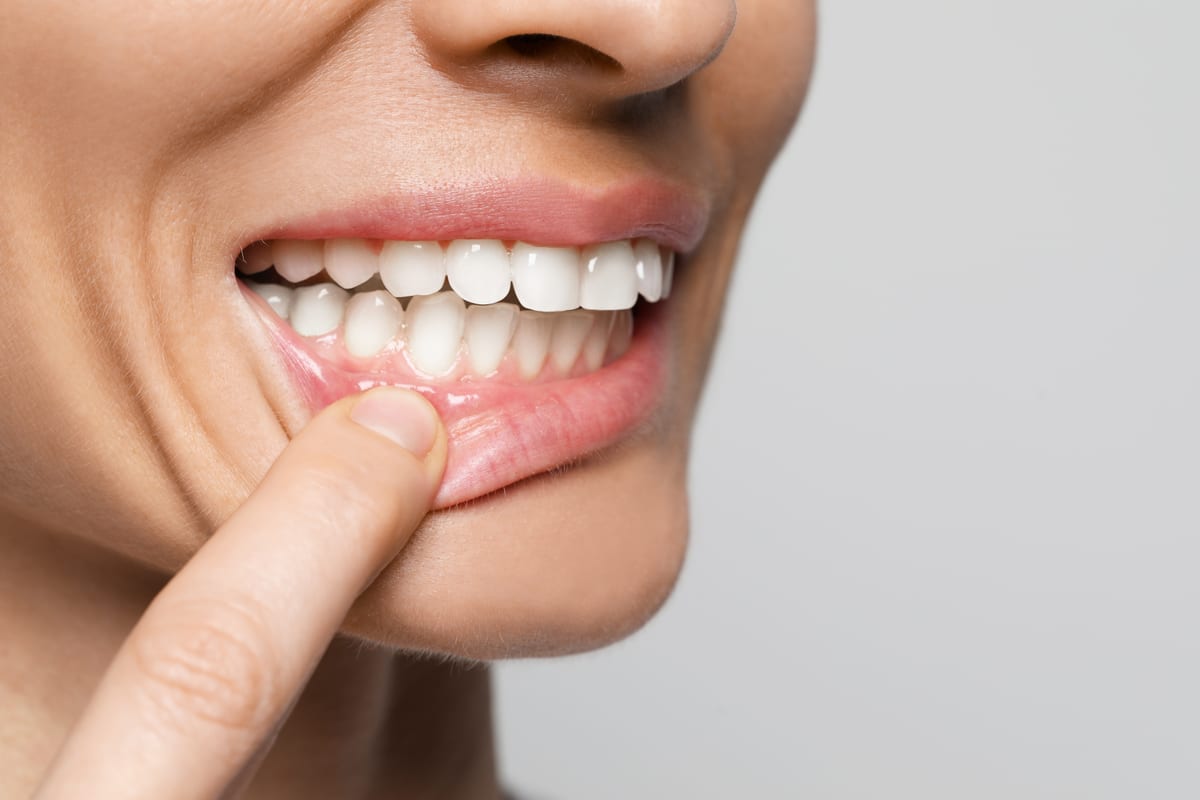
- Slight tooth discoloration — Stains that don’t respond to whitening can be covered.
- Uneven tooth length — Short or worn teeth can be built up to match neighbors.
- Irregular tooth shape — Pointy, oddly shaped, or asymmetrical teeth can be reshaped.
- Minor surface irregularities — Rough or pitted enamel can be smoothed over.
These are real, meaningful improvements. Chicago patients are often surprised by how dramatically bonding changes their smile. The results look natural and feel comfortable right away.
Bonding works best on teeth that are structurally healthy. If decay or damage is present, Dr. Mariscal will address that first. Treating the underlying issue protects your long-term results.
What Dental Bonding Cannot Fix — Be Honest With Yourself
Here’s where many patients feel disappointed — not because bonding failed, but because expectations weren’t set correctly from the start. Dental bonding has real limitations. Knowing them in advance prevents frustration.
Bonding cannot fix these issues:
- Jaw alignment problems — Deep bites, overbites, and jaw structure require orthodontic or surgical care.
- Severely misaligned teeth — Significant crowding or rotation needs braces or aligners.
- Large chips or fractures — Extensive damage may require a crown for proper protection.
- Severely discolored teeth — Deep intrinsic staining from medications or trauma may show through resin.
- Missing teeth — Bonding cannot replace a tooth that isn’t there.
If you have missing teeth, you’ll want to explore options like Dental Implants Chicago patients trust for permanent replacement. For multiple missing teeth, Dentures Chicago patients rely on may be a better fit for your situation.
It’s also important to know that bonding resin is not as strong as natural enamel. It can chip under heavy biting force. Patients who grind their teeth may find bonding wears down faster than expected.
How Long Does Dental Bonding Last?
With proper care, dental bonding typically lasts five to ten years. That’s a wide range — and the difference comes down to your habits. Hard foods, nail biting, and teeth grinding all shorten bonding’s lifespan. Good oral hygiene and regular dental visits extend it.
Bonding does stain over time. Coffee, tea, and red wine gradually discolor the resin. Unlike porcelain veneers, composite resin cannot be whitened after placement. Patients who want whitening should do it before their bonding appointment, not after.
Touch-ups and repairs are straightforward when needed. Dr. Mariscal can add or reshape bonding at future visits. That flexibility makes it a low-commitment way to improve your smile without permanent alteration.
Is Dental Bonding the Right Choice for You in Chicago?
The best candidates for bonding are patients with minor cosmetic concerns and healthy teeth. If your main goals are fixing a small chip, closing a slight gap, or covering a surface stain — bonding is likely an excellent fit. It’s quick, gentle, and affordable.
If your goals involve dramatic smile transformation, severe misalignment, or structural tooth repair, other treatments may serve you better. Dr. Mariscal takes time to understand your goals honestly before recommending any procedure.
During your consultation at our Chicago office, we’ll evaluate your teeth and discuss realistic outcomes. We’ll tell you clearly what bonding can and cannot achieve for your specific situation. That honesty is something our Lakeview and Roscoe Village patients consistently appreciate.
Ready to find out if bonding is right for your smile? Book Now to schedule your appointment with our team.
Frequently Asked Questions
Does dental bonding hurt?
No, dental bonding is generally painless. No drilling is required in most cases, and anesthesia is usually unnecessary. You may feel mild sensitivity for a day or two after the procedure, but most patients are comfortable immediately.
Can dental bonding fix a cracked tooth?
Dental bonding works well for minor chips and surface cracks. However, deep cracks or fractures that affect tooth structure may require a crown instead. Dr. Mariscal will assess the extent of damage before recommending the right approach.
Will dental bonding match my natural teeth?
Yes. Dr. Mariscal selects a composite resin shade that closely matches your surrounding teeth. The result looks very natural in most cases. Patients are often surprised at how seamlessly the bonding blends in.
How do I care for bonded teeth?
Brush and floss normally. Avoid biting hard objects like ice, pens, or fingernails. Limit foods and drinks that stain, such as coffee and red wine. Regular dental checkups allow Dr. Mariscal to monitor the bonding and address wear early.
Is dental bonding a permanent procedure?
No, dental bonding is not permanent. The resin can be removed or modified without damaging your natural tooth structure. This makes bonding a reversible and flexible option compared to veneers or crowns, which require permanent enamel reduction.