What To Do If You Have Major Pain After Getting Porcelain Veneers
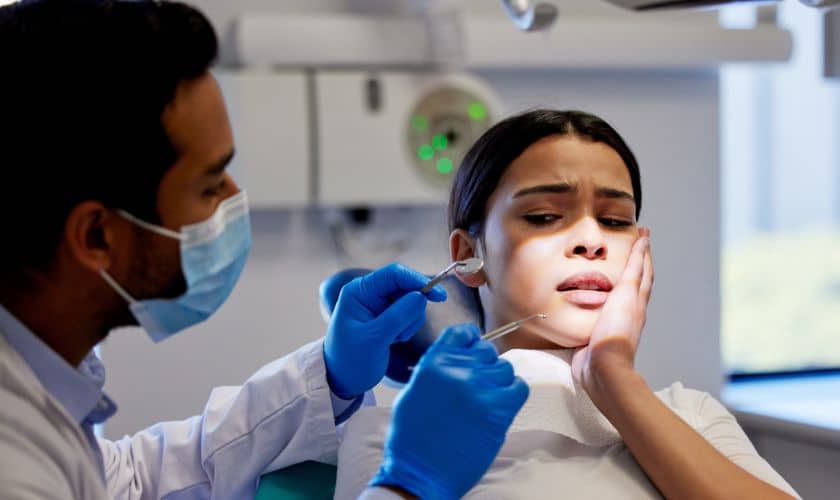
Porcelain veneers are a popular cosmetic dental treatment designed to enhance the appearance of your teeth by correcting issues like discoloration, chips, gaps, and misalignment. While the procedure is generally safe and effective, some patients may experience major pain after getting their veneers. Understanding the potential causes of this discomfort, how to address it, and when to seek professional help is crucial for ensuring your veneers remain a positive addition to your smile.
In this comprehensive guide, we’ll explore the reasons behind pain after getting porcelain veneers, practical steps to alleviate the discomfort, and when it’s essential to consult your dentist for further evaluation.
Understanding Porcelain Veneers and the Procedure
Before diving into what to do if you experience pain after getting porcelain veneers, it’s important to understand what veneers are and the process involved in getting them.
What Are Porcelain Veneers?
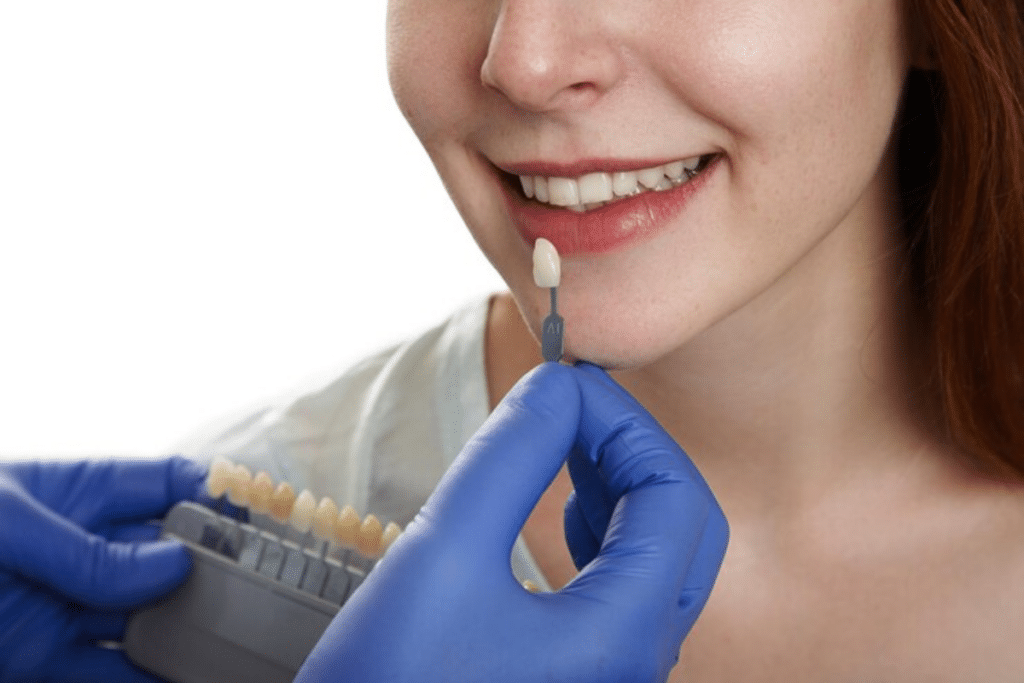
Porcelain veneers are thin, custom-made shells of tooth-colored porcelain that are designed to cover the front surface of your teeth. They are bonded to your teeth to change their color, shape, size, or length, offering a natural and aesthetically pleasing appearance.
The Veneer Procedure
The process of getting porcelain veneers typically involves several steps:
- Consultation: During your initial consultation, your dentist will assess your oral health and discuss your cosmetic goals. If veneers are deemed suitable for you, your dentist will create a treatment plan tailored to your needs.
- Preparation: To prepare your teeth for veneers, your dentist will remove a thin layer of enamel from the surface of the teeth. This is done to ensure that the veneers fit properly and look natural. After the enamel is removed, impressions of your teeth are taken to create custom veneers.
- Temporary Veneers: While your permanent veneers are being fabricated in a dental laboratory, your dentist may place temporary veneers on your teeth to protect them and maintain your smile’s appearance.
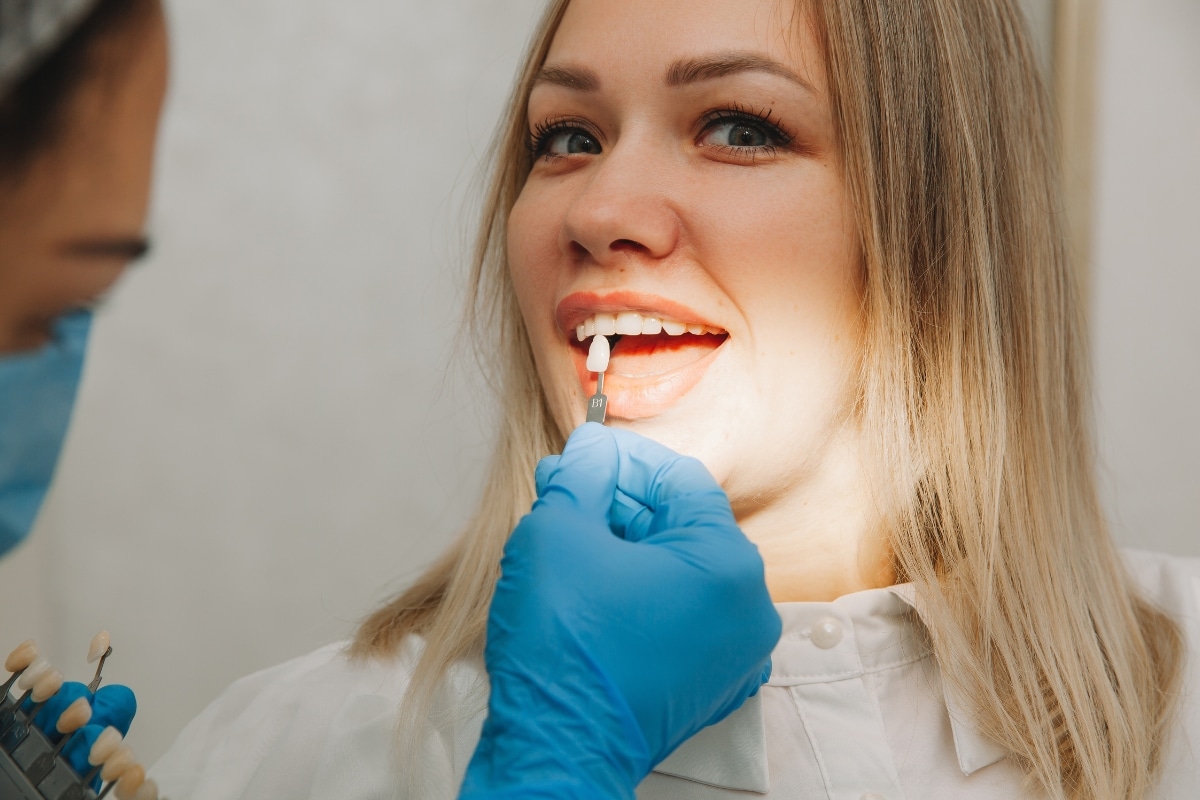
- Bonding: Once your custom veneers are ready, your dentist will check their fit and color before permanently bonding them to your teeth using a strong dental adhesive.
- Final Adjustments: After the veneers are bonded, your dentist may make minor adjustments to ensure they fit comfortably and look perfect.
Causes of Major Pain After Getting Porcelain Veneers
While it’s normal to experience some sensitivity or mild discomfort after getting porcelain veneers, significant or prolonged pain is not typical and may indicate an underlying issue. Here are some common causes of major pain after veneer placement:
- Tooth Sensitivity
- Overview: Tooth sensitivity is a common issue after the veneer procedure, especially during the first few days. This sensitivity is often due to the removal of enamel during the preparation stage, which can expose the dentin layer of the teeth, making them more sensitive to hot, cold, sweet, or acidic foods and beverages.
- Symptoms: Sharp, fleeting pain when consuming hot or cold foods or drinks, or when breathing in cold air.
- Resolution: Tooth sensitivity usually subsides on its own within a few days to a few weeks. Using toothpaste designed for sensitive teeth and avoiding extreme temperatures in food and drinks can help alleviate discomfort.
- Improper Fit of Veneers
- Overview: If the veneers do not fit properly, they can cause pain and discomfort. An improper fit may lead to issues such as biting or chewing difficulties, uneven pressure on the teeth, and irritation of the gums.
- Symptoms: Persistent pain when biting down, uneven bite, or discomfort in the gums around the veneers.
- Resolution: If you suspect that your veneers are not fitting correctly, it’s important to return to your dentist for an evaluation. Your dentist may need to adjust or replace the veneers to ensure a proper fit.
- Pulpitis (Inflammation of the Tooth Pulp)
- Overview: Pulpitis is the inflammation of the dental pulp, the innermost part of the tooth. This area contains nerves and blood vessels. Pulpitis can occur if the tooth preparation was too aggressive. It can also happen if the tooth was already compromised before veneer placement.
- Symptoms: Persistent, throbbing pain, sensitivity to temperature, and discomfort that doesn’t subside with over-the-counter pain medication.
- Resolution: Pulpitis can be reversible or irreversible. If it is reversible, the pain may go away on its own with time and proper care. If the pulpitis is irreversible, a root canal treatment may be necessary. This treatment removes the damaged pulp and helps alleviate the pain.
- Gum Irritation
- Overview: Gum irritation can occur if the veneers extend too far into the gum line or if the gums were traumatized during the veneer procedure. This can lead to swollen, red, or painful gums.
- Symptoms: Sore or swollen gums, bleeding when brushing or flossing, and discomfort around the gum line.
- Resolution: Mild gum irritation often resolves on its own with good oral hygiene and the use of a soft-bristled toothbrush. If the irritation persists, your dentist may need to trim the veneers or treat the gums to reduce inflammation.
- Bite Misalignment
- Overview: A misaligned bite, or malocclusion, can occur if the veneers cause your teeth to come together unevenly when you close your mouth. This can lead to excessive pressure on certain teeth and cause pain.
- Symptoms: Pain when biting or chewing, jaw pain, or clicking sounds in the jaw joint.
- Resolution: Your dentist can adjust the veneers or the bite to correct the alignment and alleviate the discomfort. In some cases, orthodontic treatment may be necessary to correct the bite.
- Infection
- Overview: Although rare, an infection can develop if bacteria enter the tooth during the veneer procedure, especially if the tooth was compromised beforehand. This can lead to severe pain and swelling.
- Symptoms: Severe, persistent pain, swelling, fever, and a foul taste in the mouth.
- Resolution: If an infection is present, it’s crucial to seek immediate dental care. Your dentist may prescribe antibiotics to treat the infection, and in severe cases, a root canal or extraction may be necessary.
What To Do If You Experience Major Pain After Getting Porcelain Veneers
Experiencing major pain after getting porcelain veneers can be distressing. However, there are steps you can take to manage the discomfort. These steps will also help ensure your oral health is protected.
- Contact Your Dentist Immediately
- Why It’s Important: Major pain after getting porcelain veneers is not typical. It should not be ignored. Contact your dentist as soon as possible. This allows them to assess the situation, identify the cause of the pain, and provide appropriate treatment.
- What To Expect: Your dentist will likely ask about your symptoms, conduct an examination, and take X-rays if necessary to determine the cause of the pain. Depending on the findings, they may recommend adjustments to the veneers, prescribe medication, or suggest further treatment.
- Manage Pain at Home
- Over-the-Counter Pain Relievers: While waiting to see your dentist, over-the-counter pain relievers like ibuprofen or acetaminophen can help reduce pain and inflammation. Be sure to follow the recommended dosage instructions.
- Cold Compresses: Applying a cold compress to the outside of your cheek can help numb the area and reduce swelling. Use the compress for 15-20 minutes at a time, with breaks in between.
- Saltwater Rinse: A warm saltwater rinse can help soothe irritated gums and reduce bacterial buildup. Mix a teaspoon of salt in a glass of warm water and swish it around your mouth for 30 seconds before spitting it out.
- Avoid Hard or Chewy Foods
- Why It’s Important: Eating hard, chewy, or sticky foods can exacerbate pain and put additional pressure on your veneers, potentially causing further damage.
- What To Do: Stick to soft, easy-to-chew foods until the pain subsides and your dentist gives you the green light to resume your normal diet. Foods like yogurt, mashed potatoes, scrambled eggs, and smoothies are good options.
- Practice Good Oral Hygiene
- Why It’s Important: Keeping your teeth and gums clean is essential for preventing infection and promoting healing. However, be gentle around the areas that are causing pain.
- What To Do: Use a soft-bristled toothbrush and non-abrasive toothpaste to clean your teeth. Be careful when brushing around the veneers, and avoid flossing too vigorously near the affected area.
- Follow Your Dentist’s Aftercare Instructions
- Why It’s Important: Your dentist will provide specific aftercare instructions tailored to your situation. Following these instructions closely can help reduce pain and prevent complications.
- What To Do: Adhere to any dietary restrictions, medication regimens, or oral care routines your dentist recommends. If your dentist suggests a follow-up visit, make sure to attend it to monitor your progress.
Long-Term Care for Porcelain Veneers
Caring for your porcelain veneers over the long term is essential to maintaining your new smile and preventing any future pain or discomfort:
- Maintain a Consistent Oral Hygiene Routine
- Why It’s Important: Good oral hygiene is crucial for preventing decay and gum disease. These conditions can affect the health of the teeth supporting your veneers.
- What To Do: Brush your teeth at least twice a day using a non-abrasive toothpaste, and floss daily. Consider using an antiseptic mouthwash to reduce bacteria and keep your gums healthy.
- Regular Dental Checkups
- Why It’s Important: Regular dental checkups allow your dentist to monitor the condition of your veneers. They can address any potential issues before they become serious.
- What To Do: Visit your dentist every six months for a checkup and professional cleaning. If you experience any issues with your veneers, such as chipping or loosening, schedule an appointment as soon as possible.
- Avoid Habits That Can Damage Veneers
- Why It’s Important: Certain habits can damage your veneers or the underlying teeth, leading to pain or the need for replacement.
- What To Do: Avoid biting into hard objects like ice, fingernails, or pens, and refrain from using your teeth as tools to open packages. If you grind your teeth at night, consider wearing a nightguard to protect your veneers.
- Watch for Signs of Wear or Damage
- Why It’s Important: Veneers are durable, but they can still wear down or become damaged over time. Early detection of any issues can prevent further complications.
- What To Do: Regularly inspect your veneers for signs of chipping, cracking, or discoloration. If you notice any changes, contact your dentist to assess whether repairs or replacements are needed.
- Stay Hydrated
- Why It’s Important: Staying hydrated helps maintain a healthy flow of saliva. Saliva is important for neutralizing acids and protecting your teeth and veneers from decay.
- What To Do: Drink plenty of water throughout the day. This is especially important after meals. It helps wash away food particles and acids that could harm your veneers and natural teeth.
Porcelain veneers can dramatically enhance your smile, but experiencing major pain after the procedure can be a cause for concern. Understanding the potential causes of pain, how to manage it, and when to seek professional help is crucial for protecting your oral health and ensuring the success of your veneers.
Better oral health starts here
Related Articles