Your First Dental Bridge Appointment: What to Expect and How to Prepare
Scheduling your first dental bridge appointment in Chicago can feel a little overwhelming. You might not know what questions to ask or how to get ready. This guide walks you through everything — from your initial consultation to what happens after treatment. At In Smyle Dental – Lakeview & Roscoe Village, Dr. Jose M. Mariscal and his team make the process as smooth as possible.
What Is a Dental Bridge and Why Might You Need One?
A dental bridge is a fixed restoration that fills the gap left by one or more missing teeth. It uses the surrounding natural teeth — called abutment teeth — as anchors. The artificial tooth, or pontic, sits in the middle and restores your smile’s appearance and function.
Missing teeth can cause more problems than you might expect. Neighboring teeth may shift into the empty space over time. This shifting can affect your bite and even cause jaw discomfort. A bridge stops that process before it starts.
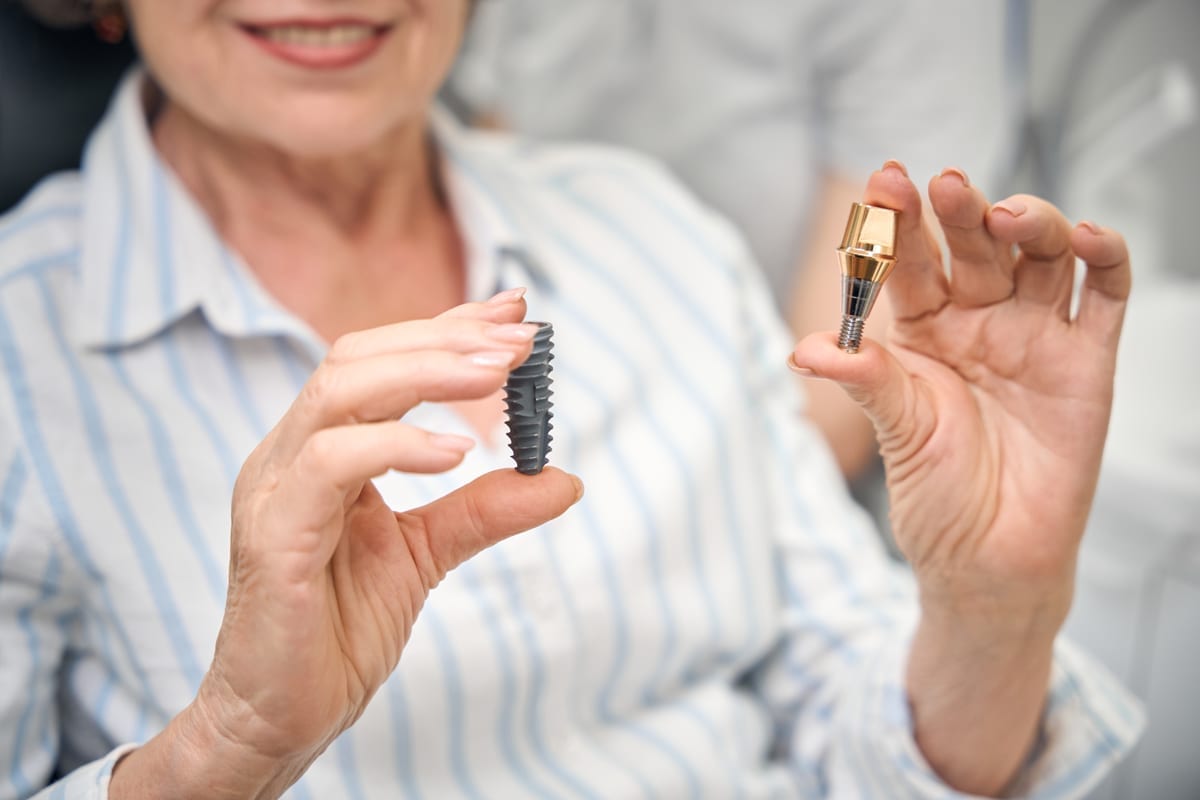
Bridges are a popular choice for many Chicago patients, but they are not the only option. Some patients prefer Dental Implants Chicago because implants replace the tooth root as well as the crown. Others may explore Dentures Chicago when multiple teeth are missing. Dr. Mariscal will review all options with you at your first visit.
How to Prepare for Your First Dental Bridge Appointment in Chicago
Good preparation helps your appointment go smoothly. Before your visit, gather any recent dental X-rays you may have. Bring a list of medications you currently take. This information helps Dr. Mariscal assess your oral health accurately.
Here are a few simple steps to take before your appointment:
- Write down any questions or concerns you want to discuss
- Avoid eating a heavy meal right before your visit if you feel anxious
- Arrive a few minutes early to complete any new patient paperwork
- Let the team know about any dental anxiety — sedation options are available
- Confirm your appointment time the day before
Being prepared puts you in control of your own care. It also helps the dental team give you the most relevant advice. A little planning goes a long way toward a comfortable first visit.
What Happens During Your First Dental Bridge Consultation
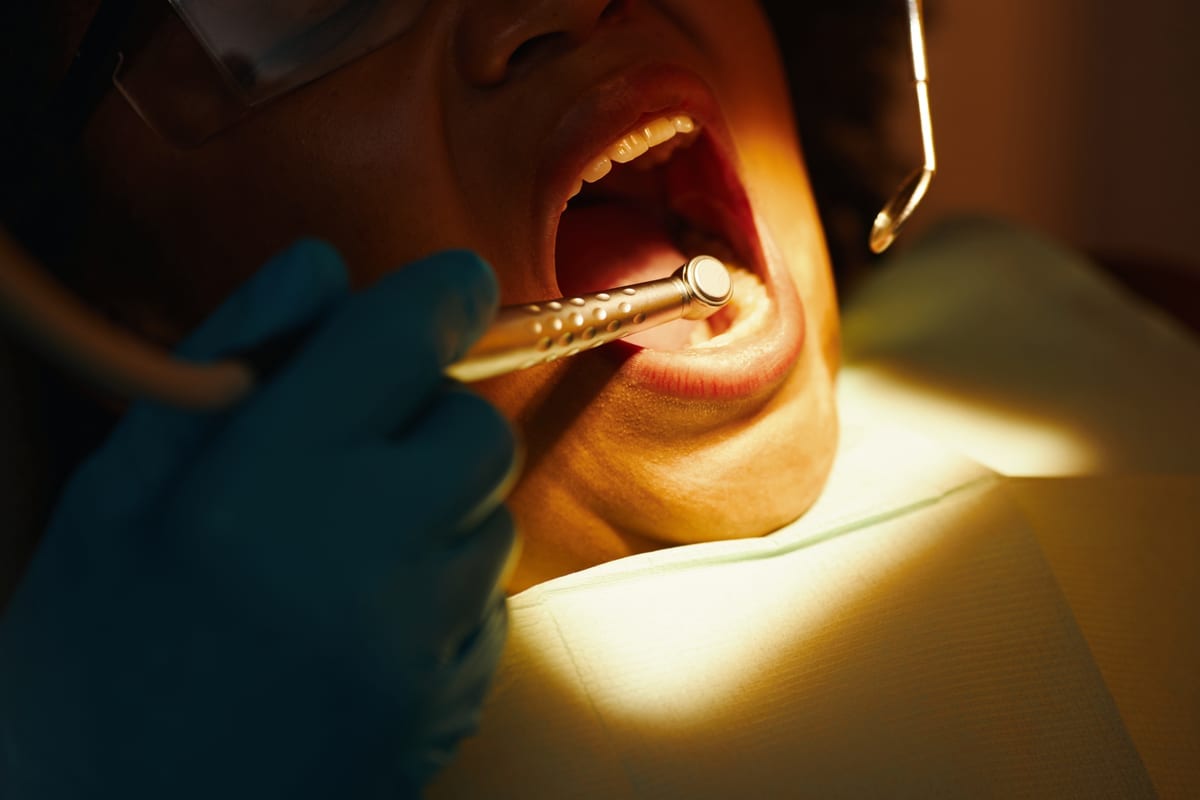
Your first appointment at In Smyle Dental is primarily a consultation and assessment. Dr. Mariscal will examine the affected area and take X-rays if needed. He will assess the health of the abutment teeth that will support your bridge.
During the consultation, you can expect the following steps:
- Oral examination: Dr. Mariscal checks the surrounding teeth, gums, and bone structure.
- X-rays or imaging: These images reveal what is happening beneath the gum line.
- Treatment discussion: Dr. Mariscal explains your options and recommends the best approach for your situation.
- Treatment planning: Together, you will map out a realistic timeline for your bridge placement.
- Questions and answers: You have time to ask anything you want before leaving.
No two mouths are the same. Your treatment plan will be tailored specifically to your needs. You will leave the office with a clear understanding of what comes next.
The Dental Bridge Placement Process: Step by Step
Once you decide to move forward, the bridge placement typically takes two appointments. During the first active treatment visit, Dr. Mariscal prepares the abutment teeth. This involves reshaping them slightly to make room for the dental crowns that hold the bridge.
After shaping the teeth, the team takes precise impressions of your mouth. These impressions go to a dental laboratory, where skilled technicians craft your custom bridge. You will wear a temporary bridge in the meantime to protect the prepared teeth.
Your second appointment focuses on placing the permanent bridge. Dr. Mariscal checks the fit and adjusts the bite as needed. Once everything feels right, the bridge is permanently cemented into place. Most patients leave that second visit feeling confident and comfortable.
Recovery after bridge placement is generally straightforward. Some mild sensitivity around the treated teeth is normal for a few days. Eating soft foods initially can make that transition easier. Dr. Mariscal will give you specific aftercare guidance before you leave.
Caring for Your Dental Bridge After Your Visit
A well-maintained bridge can last many years. Proper oral hygiene is the most important factor in its longevity. Brushing twice a day and flossing daily are essential habits to keep up.
Flossing under the bridge requires a little extra attention. A floss threader or water flosser makes this much easier. Dr. Mariscal’s team will show you exactly how to clean around your bridge before you leave the office.
Here are key tips for long-term bridge care:
- Brush twice daily with a soft-bristled toothbrush
- Use a floss threader or interdental brush to clean under the pontic
- Avoid chewing very hard foods like ice or hard candy
- Attend regular checkups every six months
- Contact the practice immediately if the bridge feels loose or causes pain
Routine checkups at In Smyle Dental allow Dr. Mariscal to monitor your bridge over time. Early detection of any issues keeps small problems from becoming larger ones. Your long-term oral health is always the priority.
Conclusion: Take the First Step Toward a Complete Smile
Your first dental bridge appointment in Chicago does not have to feel intimidating. With the right information and a knowledgeable, caring team behind you, the process is manageable from start to finish. Dr. Jose M. Mariscal at In Smyle Dental – Lakeview & Roscoe Village is here to guide you every step of the way. Book Now to schedule your appointment with our team.
Frequently Asked Questions
How long does the entire dental bridge process take?
Most patients complete the bridge process in two to three appointments spread over two to four weeks. The exact timeline depends on how quickly the dental lab fabricates your custom bridge. Dr. Mariscal will give you a more precise estimate during your consultation.
Does getting a dental bridge hurt?
The procedure itself is performed under local anesthesia, so you should not feel pain during treatment. Some sensitivity and mild soreness around the treated area are normal for a few days afterward. Over-the-counter pain relief is usually enough to manage any discomfort during recovery.
How is a dental bridge different from a dental implant?
A bridge is fixed to the natural teeth on either side of the gap, while an implant is anchored directly into the jawbone. Implants replace the tooth root and do not rely on neighboring teeth for support. Both are effective solutions, and Dr. Mariscal can help you decide which option fits your situation best.
How do I know if I am a good candidate for a dental bridge?
Good candidates typically have healthy teeth and gums surrounding the missing tooth space. Adequate bone density and strong abutment teeth are important factors. Dr. Mariscal will evaluate your oral health thoroughly during your first appointment to confirm whether a bridge is the right choice for you.
How long does a dental bridge last?
With proper care, a dental bridge can last ten to fifteen years or longer. Regular brushing, flossing, and professional cleanings play a major role in extending its lifespan. Attending routine checkups at In Smyle Dental helps Dr. Mariscal catch any issues early and keep your bridge in great condition.