Is It Painful To Get Dental Veneers?
Are you self-conscious about your smile? With advances in modern dental care, there’s no need to feel embarrassed anymore! Dental veneers could be the perfect solution for improving your pearly whites and boosting confidence. But then comes a common question: “What does getting veneers involve – do they hurt?” Don’t worry – we’ve got all the information right here, so let’s dive into finding out more about this amazing approach to giving yourself an incredible new grin.
Why Do People Get Dental Veneers?
If you’ve ever wanted to achieve a glittering, perfect smile but have yet to be put off by concerns about spacing between teeth or discoloration, dental veneers may be the solution for you! These thin shells are applied to your front teeth and give them that sought-after look of perfection. However, it’s important to note – Veneers are not a permanent solution. You will need to replace them periodically for the rest of your life.
What Is The Procedure Of Getting Porcelain Veneers?
Veneers are either made of porcelain or composite resins. Studies say that porcelain veneers produce more aesthetically pleasing outcomes. They also offer more predictable treatment longevity.
The result of the same study indicated that composite veneers are also a good decision. But they turned out to be less durable than porcelain.
Each veneer is made specifically for the patient. Veneers made of porcelain are created in a lab and then bonded onto the teeth. In the case of composite resin, the dentist layers the resin onto each tooth.
Procedures involving porcelain veneers usually require two visits. The dentist removes a very small portion of tooth enamel during the initial visit. This makes room for the veneer placement.
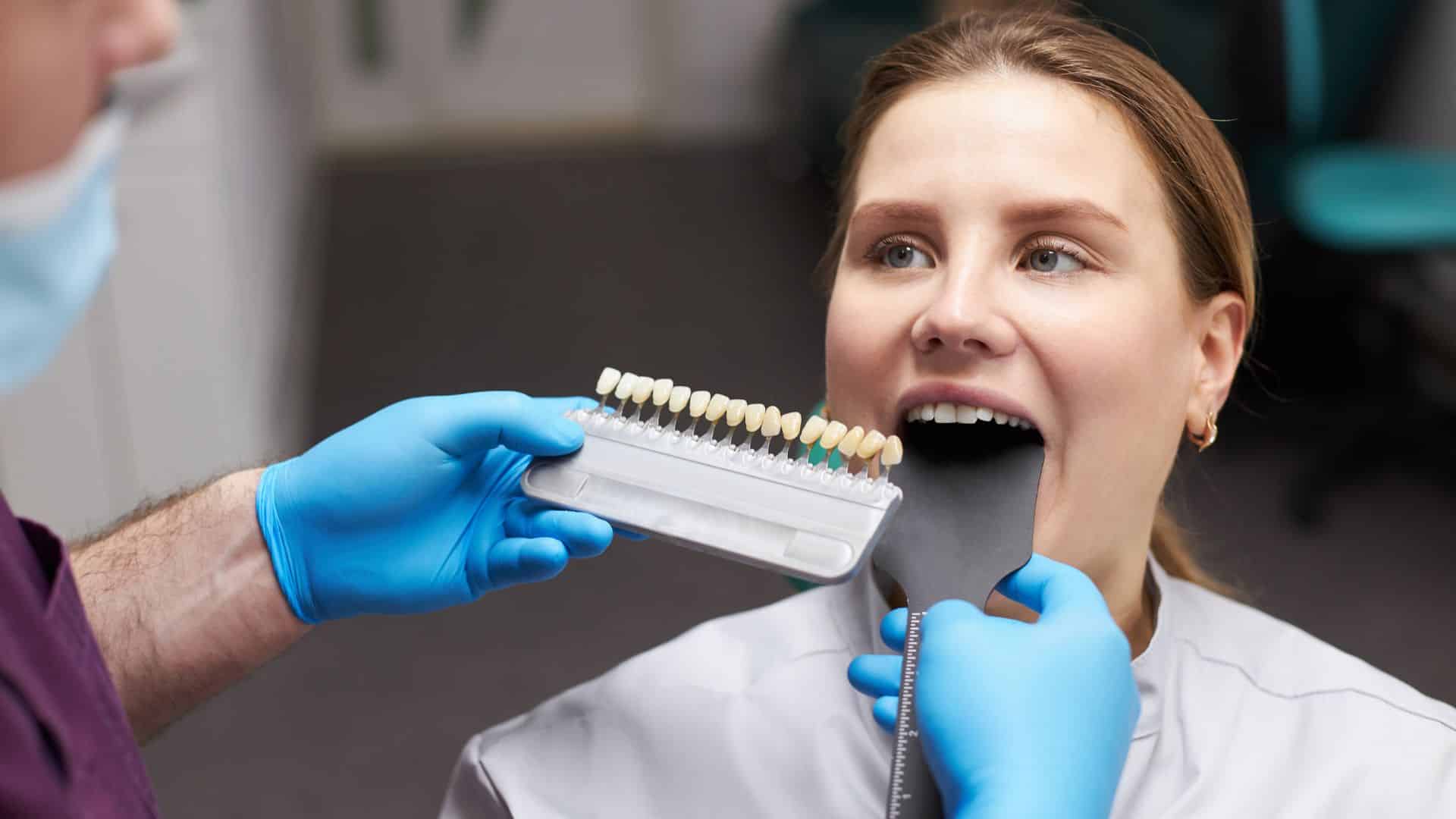
Next, the dentist will make an impression on your teeth. Your natural tooth color will also be determined by the dentist. This shade-related information will then be sent to the laboratory.
The lab uses this impression and shade to make your veneers. Some patients can have temporary veneers placed while waiting for the permanent set. The dentist then bonds the veneers to the tooth.
The veneers are then “cured” for roughly 60 seconds using a special light. They will be firmly bonded as a result of this. The dentist will use specialized tools to remove any excess material.
What Are The Instructions For Recovery After Dental Veneer Treatment?
Dental veneers are a fantastic way to improve the look of your smile, but it’s important to consider a few aftercare choices afterward. Dental veneers require specialized care for the materials to remain durable and beautiful for years. We have some practical tips for recovery in the pointers below:
- Brushing your teeth twice daily using an ultrasonic toothbrush and fluoride-based toothpaste is recommended.
- Flossing should be done once a day, ensuring not forcefully floss around the veneers.
- Minimize drinking and eating staining snacks such as coffee, tea, and soda. While eating them is okay, they should be followed by brushing or rinsing with mouthwash.
- Also, pay attention to regular dental check-ups in order to maintain good oral health.
These simple steps will lead you to a successful recovery after dental veneer treatment.
Do Dental Veneers Hurt?
When it comes to the question, “do dental veneers hurt?” many patients may feel fearful or apprehensive. Let’s address the issue head-on and provide some clear-cut answers: Dental veneers do involve some form of discomfort during the application, but overall they will cause very little pain. Following the procedure, there may be some slight soreness or pain due to the manipulation of your teeth, but this is usually mild and can be treated with over-the-counter medications. And rest assured that your dentist will take all necessary precautions before and during the procedure to ensure minimal discomfort.
How To Take Care Of Dental Veneers?
Using the products mentioned below can help you maintain your dental veneers.
- Floss
- Mouthrinse
- Non-abrasive toothpaste
- Mouth guards (help protect against wear)
We hope you have now gained a clear understanding of how painful the dental veneer treatment can be. Get in touch with a dentist near you if there are any further queries related to this topic.