
Emergencies With A Dental Crown
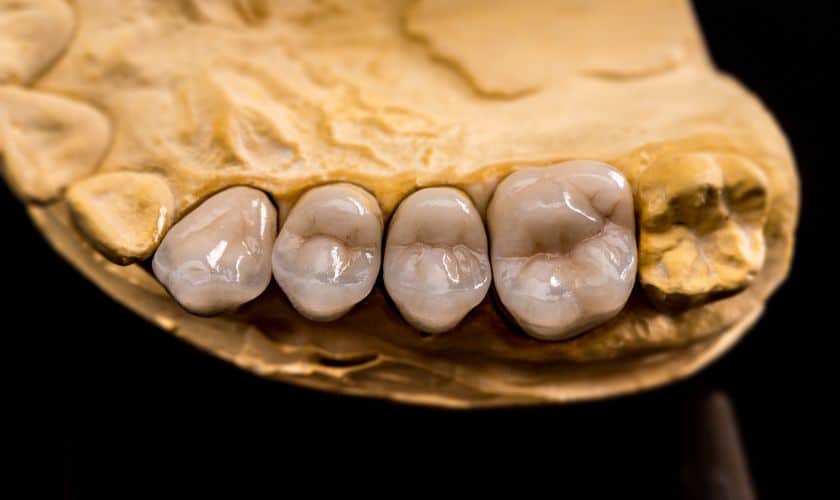
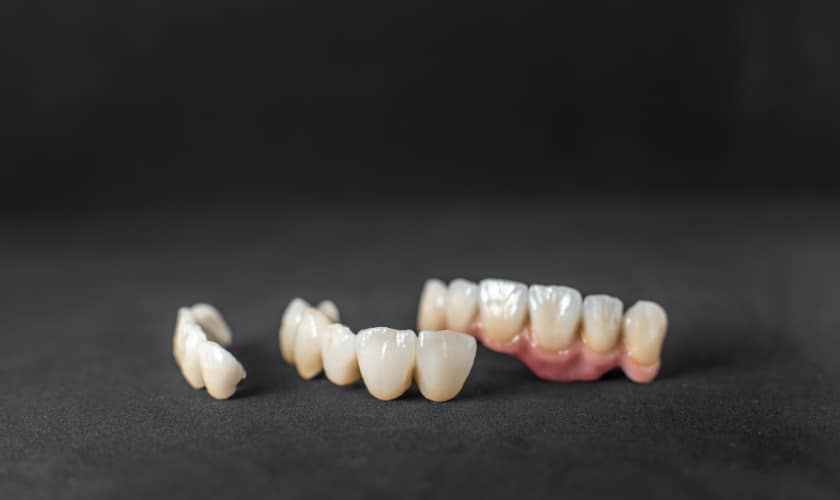
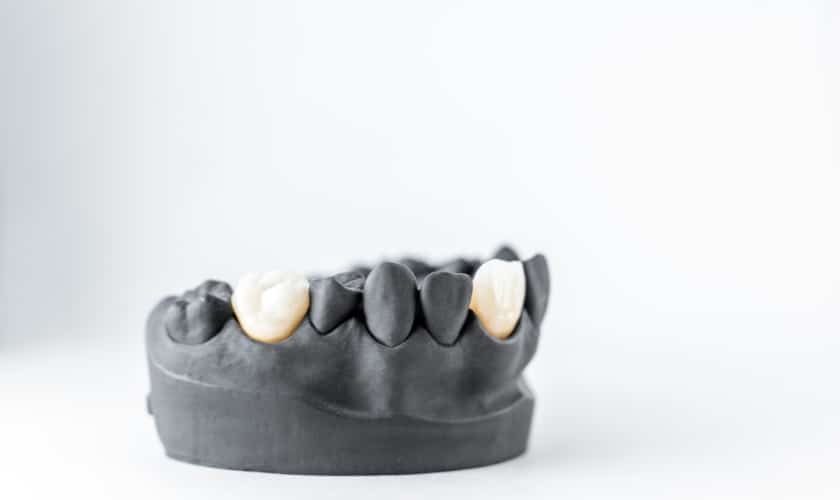
A beautiful smile can light up a room, but what happens when an emergency strikes your dental crown, jeopardizing your confident grin? Dental crowns are a popular solution for restoring teeth to their former glory. They not only enhance aesthetics but also provide functional benefits. However, like any dental work, dental crowns can sometimes encounter emergencies that require immediate attention. In this blog, we’ll delve into the various emergencies with dental crowns, how to address them, and when to seek help from an emergency dentist in Chicago.
Common Emergencies With Dental Crowns
- Crown Dislodgement: It’s not uncommon for a dental crown to become loose or dislodged, especially if you accidentally bite down on something hard or experience trauma. If this happens, keep the crown safe and schedule an appointment with your dentist as soon as possible. Avoid using over-the-counter adhesives as they may worsen the situation.
- Crown Fracture: Dental crowns are durable, but they aren’t invincible. A crown can fracture due to excessive pressure, grinding, or biting on something too hard. If you notice a crack or chip in your crown, it’s essential to consult your dentist promptly. A broken crown can lead to underlying tooth damage if left untreated.
- Tooth Sensitivity: Some individuals experience increased tooth sensitivity after getting a dental crown. While this isn’t an emergency per se, it can be uncomfortable. If your tooth is overly sensitive to hot or cold temperatures, consult your dentist to rule out any underlying issues.
- Gum Inflammation: Gum inflammation or irritation around the dental crown can be caused by various factors, including improper fitting or hygiene issues. Good oral hygiene practices and regular check-ups with your dentist can help prevent this issue.
How To Handle Dental Crown Emergencies
In the unfortunate event of a dental crown emergency, knowing the precise steps to minimize damage and discomfort is essential. Here’s a detailed guide on how to handle various dental crown emergencies:
- Keep the Crown Safe: If your dental crown becomes dislodged, your priority is to ensure its safety. Try to retrieve the crown carefully and place it in a safe and clean container. Handling it with care is crucial to prevent any form of contamination. A small plastic bag or container can be a suitable temporary home for your crown until you can get professional assistance.
- Avoid Self-Repair: The temptation to fix a dislodged or damaged crown with over-the-counter adhesives or glues can be strong, but it’s crucial to resist this urge. Self-repair attempts can lead to more significant problems, complicating the restoration process for your dentist. Adhesives not specifically designed for dental use may not provide a secure and hygienic solution. It’s best to leave the repair work to the professionals.
- Over-the-Counter Pain Relief: In cases where you experience pain or discomfort due to a dental crown emergency, over-the-counter pain relievers can be a temporary solution. Follow the recommended dosage on the label, and do not exceed the prescribed limits. This can help alleviate pain until you can consult your dentist and receive proper treatment.
- Rinse with Warm Saltwater: Maintaining oral hygiene is crucial, especially during dental emergencies. If you’re experiencing discomfort or have a dislodged crown, rinsing your mouth gently with warm salt water can help. This solution can reduce bacteria in the affected area and provide a soothing effect. Mix a teaspoon of salt in a glass of warm water and swish it around your mouth without being too forceful.
- Schedule an Appointment: The most crucial step in handling a dental crown emergency is to contact your dentist promptly. Delaying this step can lead to complications and further damage. Call your dentist’s office, explain the situation, and request an appointment at your earliest convenience. Most dental offices prioritize emergencies and will arrange to see you as soon as possible.
Preventing Dental Crown Emergencies
Dental crowns are a valuable investment in oral health, providing strength, protection, and aesthetic enhancement to damaged or weakened teeth. To ensure the longevity and effectiveness of your dental crowns, adopting preventive measures that reduce the risk of emergencies is crucial. Let’s explore practical tips for safeguarding your dental crowns and maintaining a radiant smile.
- Regular Oral Care: Brushing and flossing are fundamental for oral health and play a vital role in preserving dental crowns. Use a soft-bristled toothbrush and non-abrasive toothpaste to gently clean your teeth and crown. Floss carefully around the crown to remove plaque and debris that can lead to complications.
- Avoid Hard Foods and Habits: Steer clear of chewing on hard objects like ice, pens, or pencils that could damage the crown. Refrain from biting into extremely hard foods, which can put undue stress on the crown.
- Optimal Oral Hygiene Products: Choose oral hygiene products recommended by your dentist to maintain the integrity of your dental crown. Antimicrobial mouthwashes can help control bacteria and reduce the risk of infections around the crown.
- Regular Dental Check-ups: Schedule routine dental check-ups to allow your dentist to monitor the condition of your dental crown. Early detection of issues can prevent emergencies and extend the crown’s lifespan.
- Maintain a Balanced Diet: A healthy diet contributes to overall oral health. Consume foods rich in vitamins and minerals to strengthen your teeth and crowns. Limit sugary snacks and acidic beverages, as they can contribute to decay around the crown margins.
- Understand Crown Material Care: Different crown materials require specific care. Be aware of the recommended maintenance for your crown type (porcelain, ceramic, metal, etc.). Follow the care instructions provided by your dentist to avoid issues like chipping or discoloration.
While dental crowns can significantly enhance your smile and oral health, they are not immune to emergencies. In a dental crown emergency, it’s crucial to remain calm, follow the above mentioned steps, and consult an experienced dentist. By taking preventive measures and being aware of potential issues, you can maintain your radiant smile and minimize the need for emergency dental visits. Remember, if you ever need an emergency dentist in Chicago, don’t hesitate to seek professional care promptly. Your smile is worth it.