The Quiet Comfort: Why People Are Choosing Non-Surgical Root Canals
If you’ve ever faced the need for a root canal, you know how daunting the procedure can sound. Traditionally, root canals are associated with discomfort, lengthy recovery times, and invasive procedures. However, what if we told you there’s an alternative that offers a quieter, more comfortable option with less stress and faster recovery?
Non-surgical root canals have become an increasingly popular choice for people seeking to preserve their teeth while avoiding the traditional surgical approach. This gentle yet effective treatment has allowed many patients to receive the care they need while feeling at ease. In this blog, we’ll explore why so many people are choosing non-surgical root canals and why they’re a great option for dental health.
What Is a Non-Surgical Root Canal?
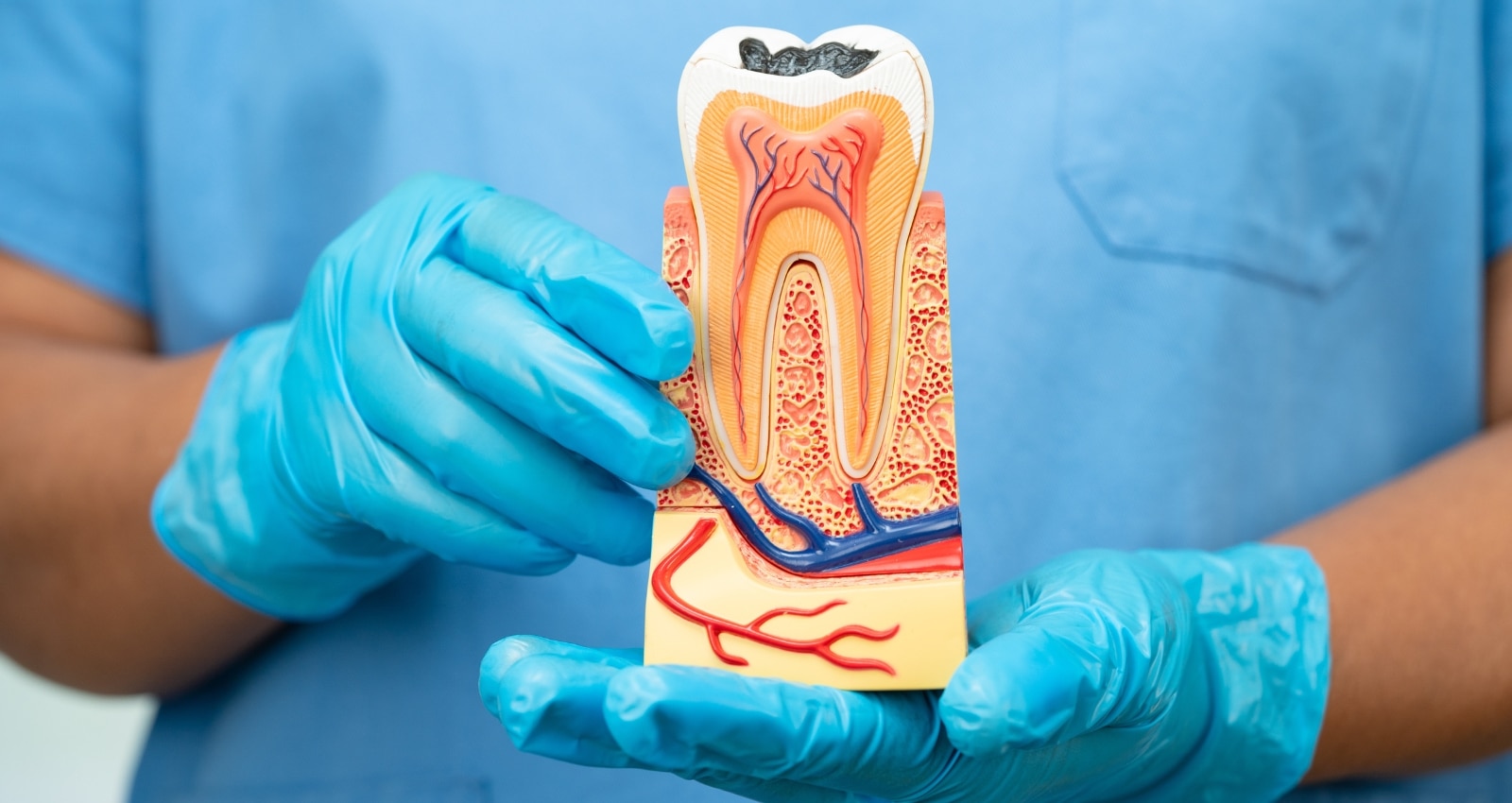
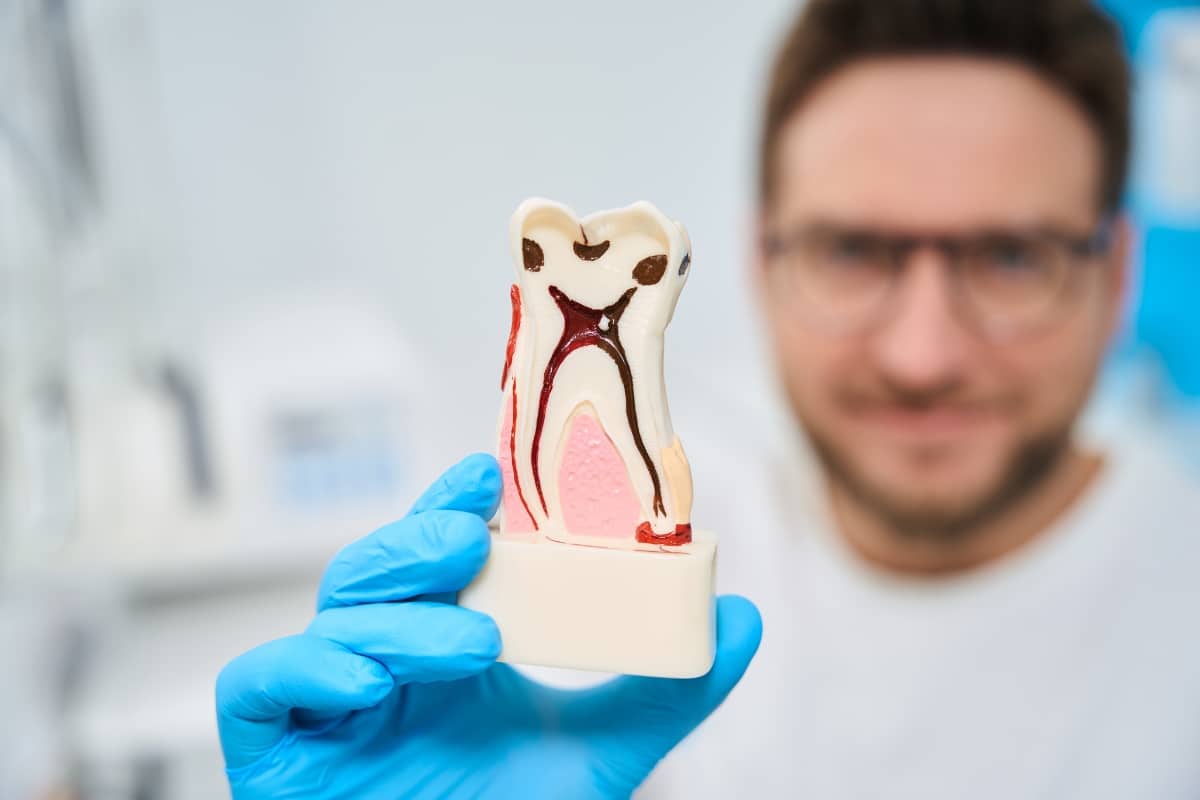
A non-surgical endodontic therapy, often referred to as an “endodontic procedure,” is a more conservative approach to treating damaged or infected teeth. Unlike the traditional method, which involves making an incision in the gum tissue to access the tooth’s root, a non-surgical root canal uses a minimally invasive technique. This involves cleaning the infected root canal system and sealing it without cutting into the gums, providing a gentler solution for patients.
This procedure is especially beneficial for those who are nervous about more invasive treatments or those who may not be ideal candidates for traditional surgery. For residents in Lakeview and Roscoe Village, Chicago, this method is an appealing option because it’s designed to reduce recovery time while preserving the natural tooth structure.
Why Choose Non-Surgical Root Canals?
There are several compelling reasons why people are choosing non-surgical root canals in Lakeview and Roscoe Village, Chicago, over traditional methods. Let’s take a look at why this approach is gaining popularity:
- Less Invasive
Non-surgical endodontic therapy requires no incisions, no stitches, and no cutting of gum tissue. This makes it a less traumatic option for patients, leading to a more comfortable procedure overall. The process is performed with minimal discomfort, allowing for a quicker and more predictable recovery. - Faster Recovery Time
Since the procedure is minimally invasive, recovery time is often quicker than traditional root canal methods. Most patients are able to return to their daily activities within a short period, without the swelling or tenderness that may come with surgery. - Preservation of the Natural Tooth
Non-surgical endodontic treatment aims to preserve the tooth’s structure, keeping as much of the natural tooth intact as possible. This is crucial for maintaining the tooth’s functionality and preventing future dental issues. - Reduced Risk of Complications
The less invasive nature of non-surgical root canals lowers the risk of complications such as infection or nerve damage, which can sometimes occur with more traditional methods. Patients benefit from a simpler and safer process. - Ideal for Nervous Patients
Dental anxiety is a common issue for many people. The thought of undergoing traditional surgery can often be overwhelming. Non-surgical endodontic therapy offers a way to address these concerns, providing a calmer, more relaxed treatment experience.
How Does a Non-Surgical Root Canal Work?
A non-surgical endodontic therapy is a gentle and efficient way to treat an infected tooth without cutting into the gums. The process is designed to minimize discomfort and preserve your natural tooth structure. Here’s a step-by-step breakdown of how it works:
- Initial Examination:
The dentist will begin by carefully examining the affected tooth and taking digital X-rays to determine the extent of the damage or infection. This ensures a precise diagnosis and treatment plan. - Accessing the Tooth:
A small access hole is created in the crown of the tooth to reach the root canal system. This hole is strategically placed to minimize damage to the tooth structure. - Cleaning and Disinfection:
The infected or damaged tissue inside the root canal is carefully removed. The space is thoroughly cleaned and disinfected to eliminate any bacteria or debris, ensuring a healthy environment for healing. - Sealing the Root Canal:
After cleaning, the root canal is filled with a biocompatible material. This prevents further infection and helps to maintain the tooth’s integrity. - Restoring the Tooth:
Once the root canal is sealed, the tooth is typically restored with a filling or crown. This reinforces the tooth’s strength and protects it from future damage. - Comfort During Treatment:
Local anesthesia is often used to ensure that the procedure is as comfortable as possible. Most patients experience little to no discomfort during and after the treatment.
What Makes Non-Surgical Root Canals Unique?
Unlike traditional root canals, non-surgical options offer a more gentle approach to treating infected or damaged teeth. Here’s why this option stands out:
- No Need for Incisions: Traditional root canals often require incisions in the gum tissue to access the root, but non-surgical endodontic therapy avoids this altogether. This means there is no need for stitches or a more complex recovery process.
- Minimized Discomfort: The use of advanced techniques and tools helps make the procedure as comfortable as possible, reducing post-treatment issues such as swelling or pain.
- Faster Results: The procedure is typically faster than traditional methods, allowing patients to return to their daily routine sooner.
How Long Does the Recovery Take?
Recovery from a non-surgical endodontic therapy is typically much faster than traditional root canal procedures. Most patients can expect to resume normal activities within 24-48 hours. However, it’s always a good idea to follow any aftercare instructions provided by your dentist to ensure optimal healing.
The Future of Root Canal Treatment
Non-surgical root canals represent a significant advancement in dental technology. By offering a more comfortable, efficient, and less invasive solution to tooth infections, this treatment is making dental care more accessible and less stressful for patients. If you’re looking for a way to treat your infected tooth while avoiding the trauma of surgery, a non-surgical endodontic therapy could be the perfect solution for you.
At In Smyle Dental, we prioritize your comfort and well-being. Our team is here to provide the best possible care tailored to your needs. Whether you’re new to dental treatments or seeking a more comfortable solution for your oral health, we’re here to provide the support you need every step of the way.
Book Your Appointment Today
If you’re considering a non-surgical root canal in Lakeview or Roscoe Village, Chicago, contact us today to schedule a consultation. Let In Smyle Dental guide you toward a healthier, more comfortable smile with our advanced, non-surgical treatment options.
Questions People Ask About Non-Surgical Root Canals
1. What are the signs that I need a non-surgical root canal?
Signs include severe tooth pain, sensitivity to temperature changes, swelling, or gum tenderness around the affected tooth. If you’re experiencing any of these symptoms, it’s best to see a dentist promptly.
2. How long does the non-surgical root canal procedure take?
The procedure typically lasts between 30 minutes and an hour, depending on the complexity of the infection or damage. Most patients find it to be a quick and straightforward treatment.
3. Is a non-surgical root canal more effective than traditional methods?
While both procedures aim to save the tooth, non-surgical root canals are less invasive, offering quicker recovery and fewer complications. It is a highly effective alternative for certain conditions.
4. Will I need a follow-up appointment after the procedure?
In most cases, a follow-up appointment is necessary to ensure the tooth is healing properly and that no further infection is present. Your dentist will provide the necessary aftercare instructions.
5. Can I eat after a non-surgical root canal?
It’s recommended to avoid chewing on the treated tooth until it fully heals, especially if a temporary filling was used. Soft foods are best in the first few days following the procedure.
6. Are non-surgical root canals safe?
Yes, non-surgical root canals are a safe and effective option for treating infected teeth. With proper care and attention, the procedure carries a low risk of complications.