Best Food to Eat After Root Canal Treatment
Recovering from a root canal treatment involves more than just taking care of your dental hygiene; it also includes making thoughtful dietary choices. The foods you eat after a root canal can significantly impact your recovery process. In this comprehensive guide, we will explore the best foods to eat after a root canal treatment, why they are beneficial, and how they can help you heal faster. We’ll also cover what foods to avoid and general dietary tips to ensure a smooth recovery.
Understanding Root Canal Treatment
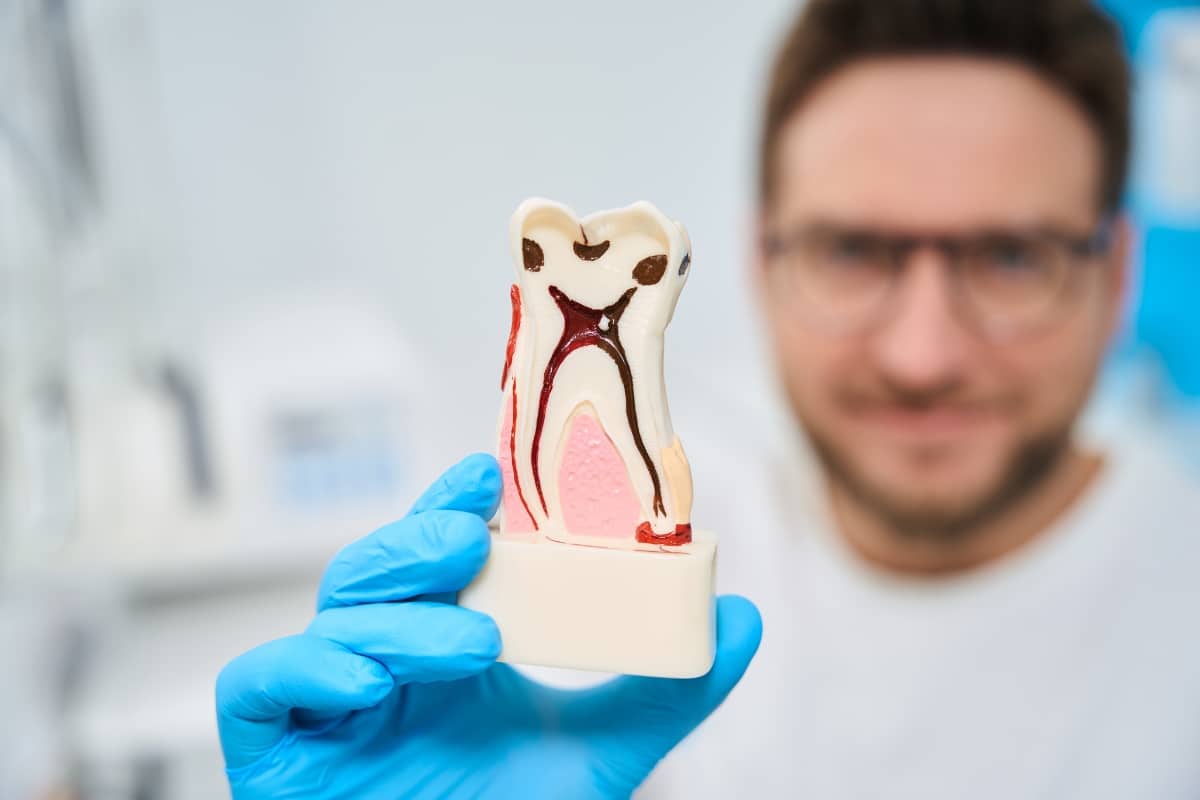
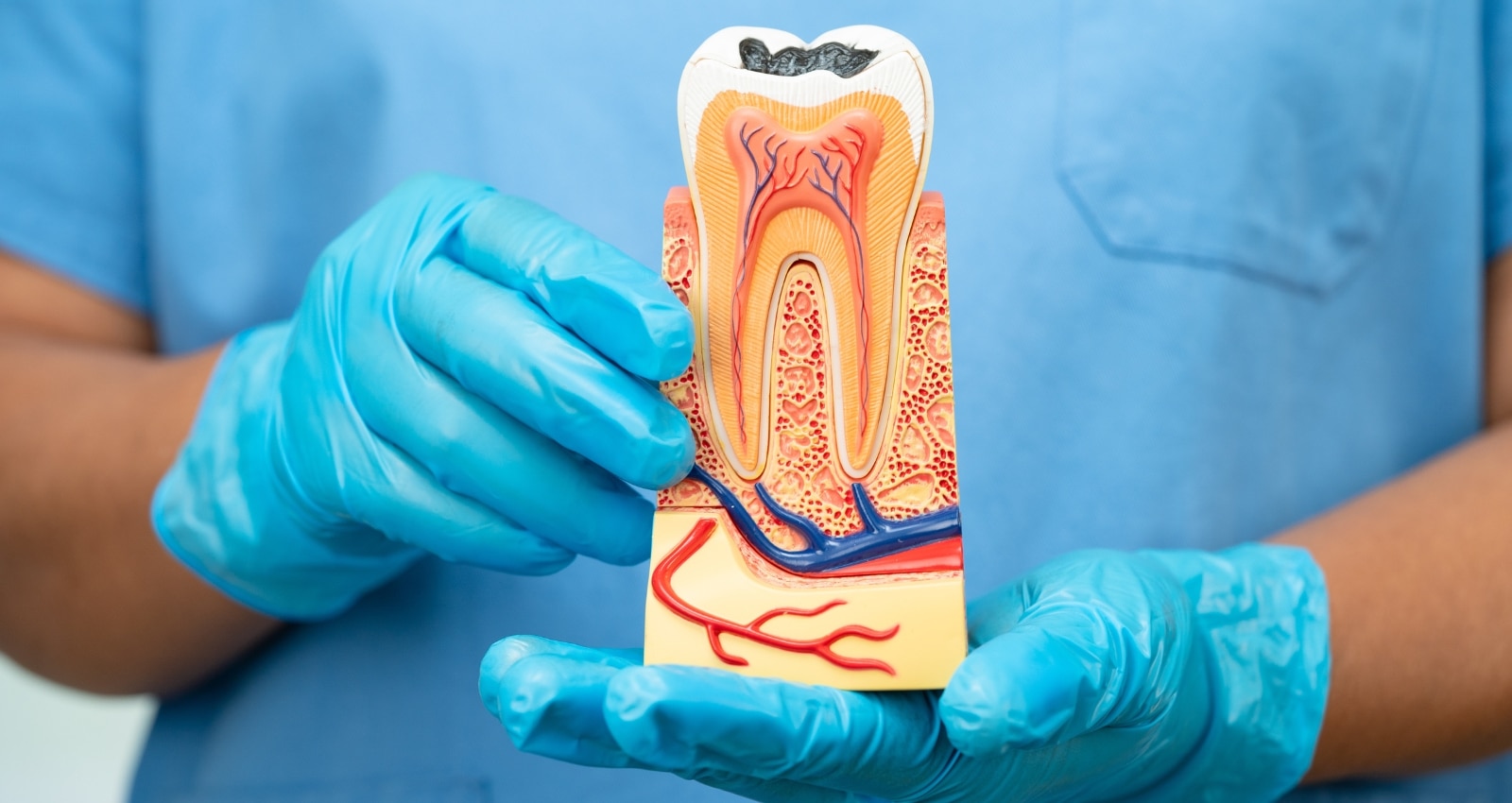
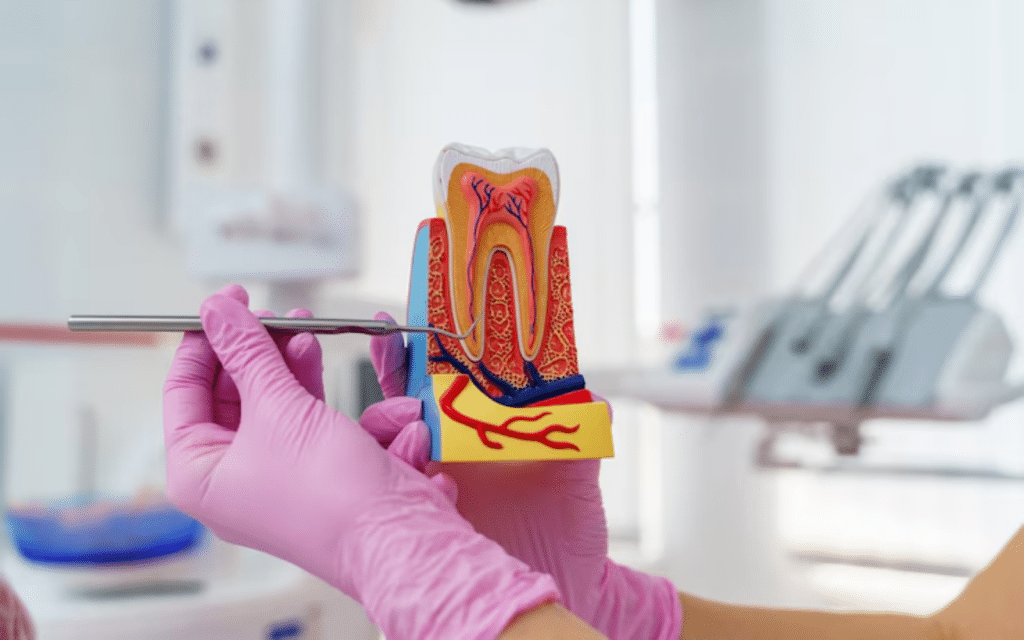
A root canal treatment is performed to save a tooth that is severely infected or decayed. The procedure involves removing the infected pulp (the soft tissue inside the tooth), cleaning and disinfecting the inner part of the tooth, and then filling and sealing it. This helps in eliminating the infection and protecting the tooth from future microbial invasion.
Post-treatment, it’s essential to eat foods that are easy on the treated tooth and promote healing. Eating the right foods can help reduce pain, swelling, and the risk of complications.
The Importance of Diet in Recovery
After a root canal treatment, your mouth and gums will be sensitive, and the area around the treated tooth may be swollen. Consuming soft, nutritious foods can aid in the healing process by:
- Minimizing Irritation: Soft foods reduce the risk of irritating the treated area.
- Providing Nutrients: Nutrient-rich foods support overall health and healing.
- Preventing Infections: Proper nutrition helps boost the immune system to fight off potential infections.
Best Foods to Eat After Root Canal Treatment

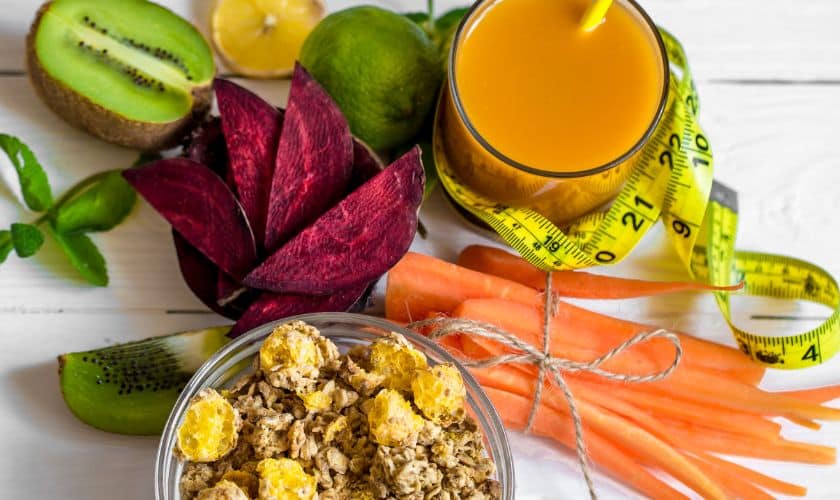
Here are some of the best foods to include in your diet after a root canal treatment. These foods are soft, nutritious, and easy to eat, making them ideal for a sensitive mouth.
1. Soups and Broths
Why They’re Beneficial:
- Hydrating: Soups and broths are hydrating, which is crucial for recovery.
- Nutrient-rich: They can be packed with vegetables, proteins, and vitamins.
- Easy to Swallow: Their soft, liquid consistency makes them easy to consume without chewing.
Examples:
- Chicken or vegetable broth
- Creamy tomato soup
- Butternut squash soup
2. Yogurt and Soft Dairy
Why They’re Beneficial:
- Protein-Rich: Yogurt is high in protein, which aids in tissue repair.
- Probiotics: It contains probiotics that can help maintain a healthy gut.
- Calcium: Dairy products are excellent sources of calcium, promoting strong teeth and bones.
Examples:
- Plain yogurt
- Greek yogurt
- Soft cheeses like cottage cheese or ricotta
3. Mashed Potatoes and Soft Vegetables
Why They’re Beneficial:
- Comfort Food: Mashed potatoes are comforting and easy to eat.
- Nutrient-Dense: Vegetables provide essential vitamins and minerals.
- Fiber: They offer fiber, which aids in digestion.
Examples:
- Mashed potatoes or sweet potatoes
- Steamed and mashed carrots or cauliflower
- Softly cooked spinach or squash
4. Smoothies and Milkshakes
Why They’re Beneficial:
- Nutrient-Packed: Smoothies can be loaded with fruits, vegetables, and proteins.
- Hydration: They help keep you hydrated.
- Customizable: You can tailor them to your taste and dietary needs.
Examples:
- Fruit and vegetable smoothies
- Protein shakes
- Milkshakes made with yogurt and fruits
5. Oatmeal and Soft Grains
Why They’re Beneficial:
- Fiber-Rich: Oatmeal and other soft grains provide essential fiber.
- Versatile: They can be flavored with fruits, honey, or spices.
- Easy to Digest: These grains are gentle on the stomach.
Examples:
- Oatmeal or porridge
- Cream of wheat
- Softly cooked rice or quinoa
6. Applesauce and Soft Fruits
Why They’re Beneficial:
- Vitamins and Antioxidants: Fruits are rich in vitamins and antioxidants.
- Easy to Eat: Pureed fruits like applesauce are easy to consume.
- Natural Sweetness: They provide a natural source of sweetness without added sugars.
Examples:
- Applesauce
- Mashed bananas
- Pureed peaches or pears
7. Eggs
Why They’re Beneficial:
- Protein Source: Eggs are an excellent source of protein.
- Versatile: They can be prepared in various soft forms.
- Nutrient-Rich: Eggs contain essential nutrients like vitamin D and choline.
Examples:
- Scrambled eggs
- Soft-boiled or poached eggs
- Omelets with soft vegetables
8. Fish
Why They’re Beneficial:
- Omega-3 Fatty Acids: Fish provides omega-3 fatty acids, which have anti-inflammatory properties.
- Soft Texture: Many types of fish are soft and easy to chew.
- Protein-Rich: Fish is a great source of protein.
Examples:
- Baked or steamed salmon
- Soft white fish like cod or tilapia
- Tuna salad
Foods to Avoid After Root Canal Treatment
Just as there are foods that promote healing, there are foods that you should avoid to prevent complications and ensure a smooth recovery. These foods can irritate the treated area, cause discomfort, or delay the healing process.
1. Hard and Crunchy Foods
Why to Avoid:
- They can damage the treated tooth or dislodge the temporary filling.
- Chewing hard foods can cause pain and irritation.
Examples:
- Nuts
- Popcorn
- Raw vegetables like carrots
2. Sticky and Chewy Foods
Why to Avoid:
- These foods can stick to the treated area, making it difficult to clean.
- They can pull at the temporary filling or crown.
Examples:
- Caramel
- Chewing gum
- Gummy candies
3. Spicy Foods
Why to Avoid:
- Spicy foods can irritate the sensitive tissues in your mouth.
- They can cause discomfort and increase inflammation.
Examples:
- Hot peppers
- Spicy sauces
- Curry
4. Citrus and Acidic Foods
Why to Avoid:
- Acidic foods can irritate the treated area and cause sensitivity.
- They can interfere with the healing process.
Examples:
- Oranges and lemons
- Tomatoes
- Vinegar-based dressings
5. Hot and Cold Foods
Why to Avoid:
- Extreme temperatures can cause sensitivity and pain.
- They can delay the healing of the treated tooth.
Examples:
- Ice cream
- Hot soup or coffee
- Iced beverages
General Dietary Tips for a Smooth Recovery
1. Stay Hydrated
Drinking plenty of water is essential for overall health and aids in the recovery process. Staying hydrated helps keep your mouth moist, which can aid in healing and reduce discomfort.
2. Eat Small, Frequent Meals
Instead of having large meals, opt for smaller, more frequent meals. This can help manage pain and reduce the risk of irritating the treated area.
3. Avoid Straws
Using a straw can create suction in your mouth, which might disturb the healing process. It’s best to avoid straws until the treated area has healed completely.
4. Chew on the Opposite Side
Try to chew food on the side of your mouth opposite the treated tooth. This can help prevent irritation and ensure that the treated area remains clean and undisturbed.
5. Maintain Good Oral Hygiene
Keeping your mouth clean is crucial for preventing infections and promoting healing. Gently brush and floss your teeth, being careful around the treated area. You can also rinse your mouth with a saltwater solution to help reduce swelling and keep the area clean.
Recovering from a root canal treatment involves more than just taking care of your dental hygiene; it also requires mindful eating. Consuming the right foods can significantly impact your recovery process, helping to reduce pain, swelling, and the risk of complications. By incorporating soft, nutritious foods like soups, yogurt, mashed potatoes, smoothies, and eggs into your diet, you can support your body’s healing process and ensure a smooth recovery.
Avoiding hard, sticky, spicy, and acidic foods is equally important to prevent irritation and ensure proper healing. Following general dietary tips like staying hydrated, eating small frequent meals, and maintaining good oral hygiene can further enhance your recovery.