
Dental Crowns vs. Veneers in Chicago, IL
If your dentist mentions a crown and you were expecting a veneer — or vice versa — it can feel confusing. Both treatments change the way a tooth looks, but they serve very different clinical purposes. Understanding crowns vs. veneers and which one your tooth actually needs in North Center is the first step toward making an informed decision. Dr. Jose M. Mariscal at In Smyle Dental breaks it down clearly below.
What Is the Core Difference Between a Crown and a Veneer?
A dental crown covers the entire tooth — all the way around, top to bottom. It replaces the visible portion of the tooth above the gum line. A veneer, on the other hand, covers only the front-facing surface of the tooth. It is a thin shell, usually made of porcelain, bonded to the front of an otherwise intact tooth.
This structural difference matters a great deal clinically. Crowns require removing more tooth structure to place. Veneers require far less removal, making them a more conservative option when the tooth is still healthy underneath.
When Your Dentist Will Recommend a Crown Over a Veneer
Your dentist will lean toward a crown when the tooth itself has been significantly weakened. This happens in a few common situations. A tooth that has had a large filling, a fracture, or a root canal is no longer strong enough to hold a veneer safely.
Here are the most common clinical reasons a crown is necessary:
- The tooth has lost more than half its natural structure
- A root canal has been completed and the tooth is brittle
- There is a deep crack running through the tooth
- The tooth needs protection from bite forces on a back molar
- An old, oversized filling is failing and the tooth walls are thin
In these cases, a veneer simply would not hold. It could chip, debond, or allow bacteria to reach the damaged interior of the tooth. A crown wraps around the entire tooth and provides full structural protection.
When a Veneer Makes More Clinical Sense
Veneers are the right choice when the underlying tooth structure is sound. The concern is cosmetic rather than structural. Patients in North Center often ask about veneers when they have stubborn staining, slightly misshapen teeth, or minor chips on front teeth.
Your dentist may recommend a veneer when:
- The tooth enamel is mostly intact and healthy
- The issue is limited to the front surface — discoloration, shape, or a small chip
- Minimal tooth reduction is preferred to preserve enamel
- The tooth does not bear heavy biting force (usually front teeth)
- No root canal or large restoration is present in the tooth
Because veneers only cover the front surface, they work best on teeth that do not endure significant chewing stress. Upper and lower front teeth are the most common candidates. Placing a veneer on a structurally compromised tooth risks cracking or failure under pressure.
The Role of Tooth Location and Bite Force
Location in your mouth plays a significant role in this decision. Front teeth experience pulling and tearing forces. Back teeth — premolars and molars — absorb grinding and crushing forces every time you chew. That difference changes everything about material choice.
A veneer on a back molar would be at high risk of fracture. A crown on that same molar distributes bite forces evenly across the full surface. When a patient in North Center comes in with a broken back tooth, a crown is almost always the appropriate restoration.
Front teeth can often accept veneers when they are healthy. But even front teeth may need a crown if there has been trauma, decay reaching deep into the tooth, or a prior large filling. Dr. Mariscal always evaluates both structure and location before recommending either option.
How the Existing Condition of the Tooth Drives the Decision
The most important factor is often what has already happened to the tooth. A tooth with a tiny chip on the edge is a veneer candidate. A tooth with a crack extending toward the gum line is a crown candidate. There is real clinical nuance here that only an examination can clarify.
X-rays matter too. Sometimes what looks like a minor issue on the surface involves decay or damage beneath the enamel. Once the deeper structure is compromised, a veneer cannot protect it adequately. A crown seals the tooth from all sides and prevents further breakdown.
At In Smyle Dental in the Lakeview and Roscoe Village area, Dr. Mariscal uses this clinical evaluation process with every patient. The goal is always to preserve as much natural tooth as possible while delivering a restoration that will last.
Can You Replace a Veneer With a Crown Later?
Yes — and this is an important point for patients to understand. If a veneered tooth later breaks or develops deeper decay, it may need to be upgraded to a crown. Because some enamel was removed for the veneer, the tooth cannot go back to its natural unrestored state.
This is one reason dentists avoid placing veneers on teeth that already show warning signs of structural weakness. If there is any doubt, a crown protects the long-term investment better. Choosing the right restoration the first time prevents unnecessary future procedures.
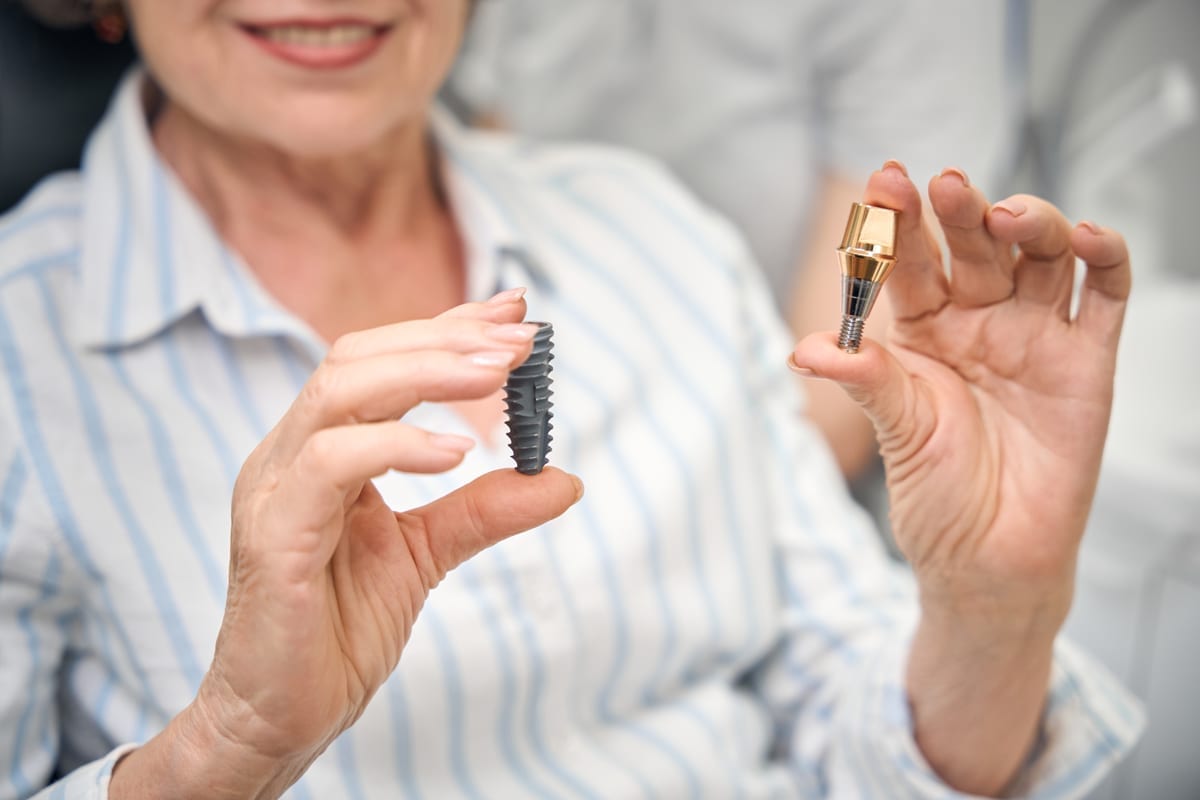
Some patients also ask whether Dental Implants might be a better option than crowning a badly damaged tooth. In cases where the tooth cannot be saved at all, an implant may be the most durable long-term solution. Similarly, patients with multiple missing teeth may explore Dentures as a full-arch restoration option. Dr. Mariscal will walk you through every option so you can make a confident, informed choice.
Making the Right Choice for Your Smile in North Center
The crowns vs. veneers question really comes down to one thing: what does the tooth actually need to function well and last? Cosmetic goals matter, but they should never come at the expense of long-term tooth health. Your dentist’s job is to match the restoration to the clinical reality of the tooth.
If you are unsure which treatment is right for you, the best step is a thorough exam with a dentist who explains the reasoning clearly. Dr. Jose M. Mariscal and the team at In Smyle Dental — Lakeview and Roscoe Village — are here to help patients in North Center and the surrounding Chicago neighborhoods understand their options. Book Now to schedule your appointment with our team.
Frequently Asked Questions
Is a crown more painful to get than a veneer?
Neither procedure should be painful during treatment. Both use local anesthesia to keep you comfortable. A crown preparation removes more tooth structure, so some patients notice more sensitivity afterward. This typically fades within a few days. Dr. Mariscal takes every step to make both procedures as comfortable as possible.
How long do crowns and veneers typically last?
Dental crowns generally last 10 to 15 years or longer with proper care. Porcelain veneers typically last 10 to 12 years. The lifespan of either restoration depends on your oral hygiene habits, bite forces, and whether you grind your teeth. Regular checkups help catch any issues early.
Can a veneer fix a cracked tooth?
A veneer can mask a hairline surface crack on the front of a tooth. However, it cannot repair a structural crack that extends through the tooth. A crack that reaches into the dentin or deeper requires a crown to prevent the tooth from splitting further. Your dentist will evaluate the depth of the crack before recommending treatment.
Do crowns and veneers look natural?
Modern porcelain crowns and veneers are designed to match the color, translucency, and texture of your natural teeth. Most people cannot tell the difference between a well-made restoration and a natural tooth. Dr. Mariscal works with quality materials and careful shade matching to achieve a seamless result.
What happens if I need a crown but choose a veneer instead?
Placing a veneer on a tooth that clinically needs a crown puts the restoration at risk of failure. The tooth may crack, the veneer may debond, or decay may progress undetected beneath the surface. Always follow your dentist’s clinical recommendation — the goal is always to protect the tooth for the long term.