
Dental Implants vs. Dental Bridges: Which Is the Better Long-Term Investment for Chicago Patients?
When it comes to replacing missing teeth, two of the most popular options available are dental implants and dental bridges. Both methods have their benefits, and the decision of which to use depends on your needs and what you prefer clinically. Knowing the differences between these two types of treatments will help you make an informed decision that aligns with your long-term goals.
Dental implants are widely regarded as the best and most permanent tooth replacement option available. In contrast to traditional dental bridges, which rely on surrounding teeth for stability, implants adhere directly to the jawbone and are independent of neighboring teeth, offering a stable foundation that functions as effectively as a natural tooth. Both can help you smile again, but it is critical to carefully consider which treatment suits your lifestyle and long-term oral health needs.
Understanding Dental Implants
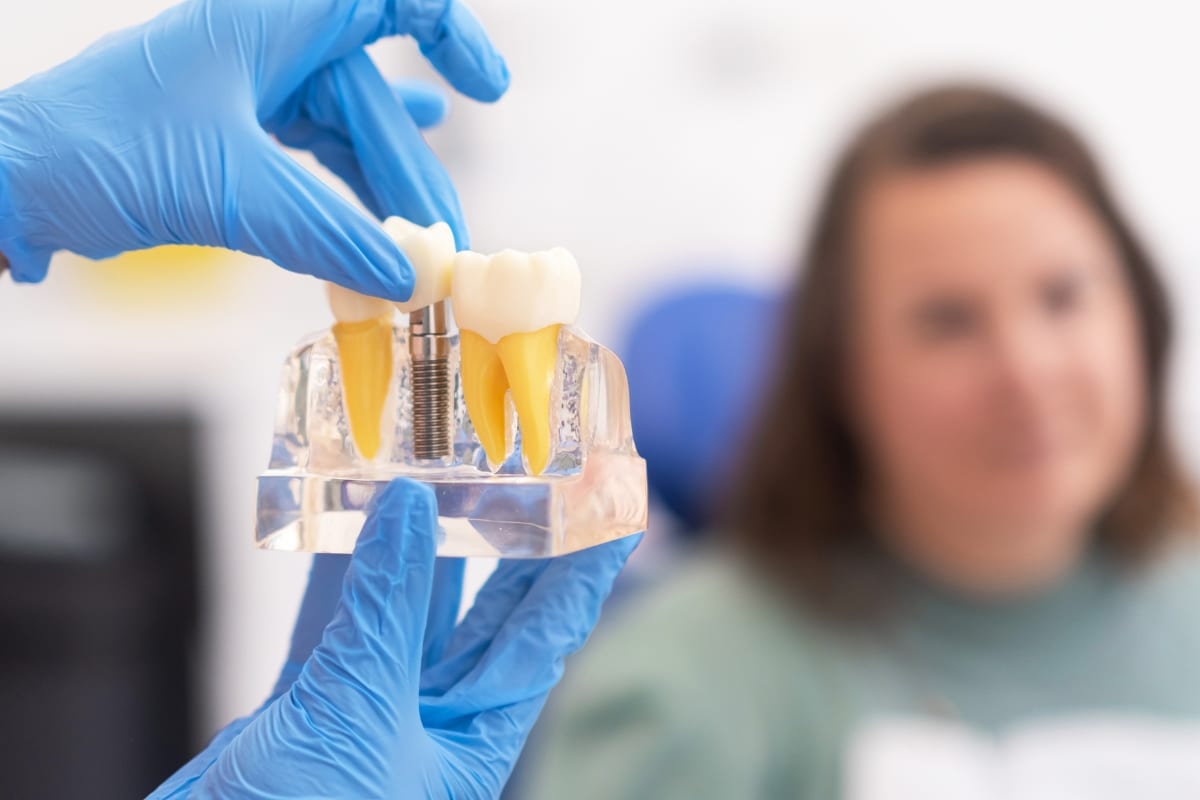
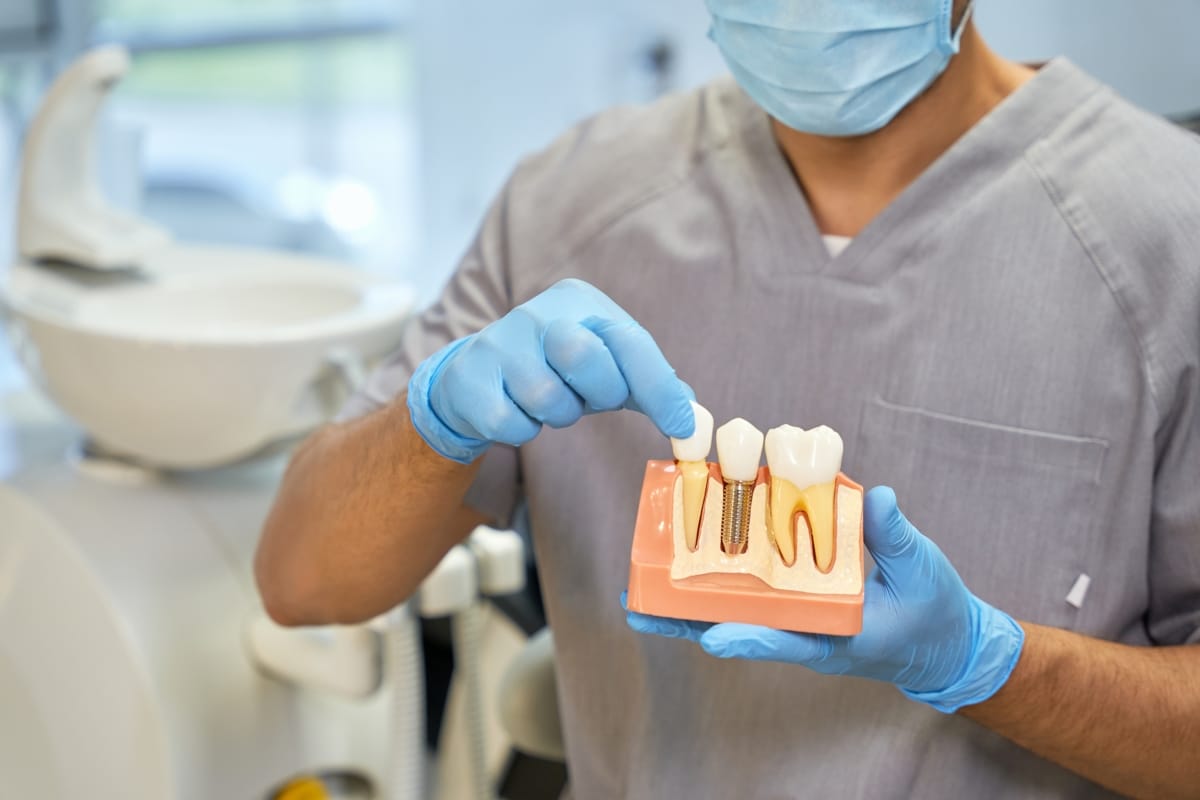
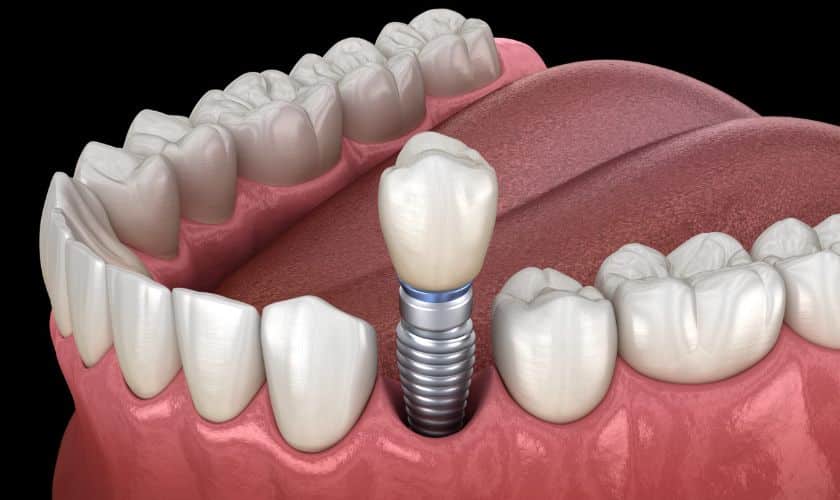
Dental implants are titanium posts surgically inserted into the jawbone to replace the root of an extracted tooth. The bone grows into the implant over time, creating a solid foundation for a crown to be placed on it. They look and work like natural teeth, so dental implants provide a permanent solution for missing teeth.
The primary benefit of dental implants in Lakeview and Roscoe Village, Chicago, is their durability. While dental bridges need to be replaced every decade or so (10 to 15 years), dental implants are designed to last a lifetime with the right care. This is because the implant that fuses with your jawbone helps to prevent bone loss and retain the natural structure of your mouth. That makes them an incredibly beneficial choice for maintaining your oral health in the long run.
Exploring Dental Bridges
On the contrary, dental bridges are non-surgical measures used to replace one or more missing teeth. Bridges are specifically constructed to close the gap, generally secured with crowns on surrounding teeth. However, although they are great for restoring the function and appearance of your teeth, dental bridges may not provide you with long-term benefits like dental implants will.
The primary con of dental bridges is that they require alteration of neighboring teeth, which can lead to long-term dental issues. Over time, the supporting adjacent teeth may loosen up or be more vulnerable to decay. Whereas dental bridges do not prevent bone loss in the jawbone, they can impact your facial bone structure.
Long-Term Benefits: Implants vs. Bridges
While both dental implants and bridges are beneficial for patients, dental implants often offer greater long-term benefits.
Durability and Longevity
- Implants: When properly cared for, they can last a lifetime, making them a one-time cost. In a nutshell: The titanium implant fuses with your bone and provides stable support for your crown. Implants also don’t decay and don’t need to be replaced like bridges.
- Bridges: They have a lifespan of around 10-15 years, but eventually must be replaced due to wear and tear. Additionally, the adjacent teeth can become compromised over time due to stress or decay and may require more dental work in the future.
Bone Health
- Implants: Dental implants offer many significant benefits, but one of the most important is preserving bone structure. Because the implant fuses with the jawbone, it helps prevent bone loss that can occur when a tooth is lost. This is important for keeping your jaw strong and healthy in the long term.
- Bridges: Like most restoration methods, bridges are also intended to restore your teeth, but they do not prevent bone loss. Losing a tooth root can cause your bone to slowly lose density and thus shape and alignment of your jaw.
Maintenance and Care
- Implants: Once placed, dental implants require minimal care. With regular brushing and flossing and routine checkups, they can be maintained in good condition. Since implants are anchored in your bone, they are stable and feel like real teeth.
- Bridges: Special care is needed when cleaning bridges, as food can get trapped beneath them. Patients must be rigorously disciplined with oral hygiene to prevent plaque accumulation and decay of the retained dentition.
The Ideal Candidate for Dental Implants
Many people benefit from dental implants, but not everyone is an ideal candidate for this procedure. Implant success depends on factors such as oral health, bone health, and overall health. Here’s the type of patient who usually gets the most out of dental implants:
- Patients with Missing Teeth: Perfect for those missing one or more teeth due to an injury, disease, or decay. Implants offer a solid, permanent solution.
- Healthy Jawbone: The jawbone must be healthy to support the implant. Implant candidates should have adequate bone density.
- Bone Loss Candidates: Even if you have lost bone, bone grafts and other procedures can help create the necessary structure for implant placement.
- Multiple Tooth Replacement: Dental implants can also replace multiple teeth simultaneously and be used alongside other restorations for a multifaceted solution.
The Ideal Candidate for Dental Bridges
Dental bridges provide an excellent replacement option for missing teeth, particularly for patients who may not be good candidates for a surgical procedure. A dental bridge might be a better choice for those who don’t have missing teeth and don’t have the bone structure needed for implants. It is also ideal for those who aren’t looking for such an invasive alternative. People with the following characteristics are ideal for dental bridges:
- Patients with Insufficient Bone Density: A dental bridge can be used if you have experienced bone loss and cannot undergo bone grafting, as long as you don’t mind undergoing a more indirect surgical procedure.
- Non-Surgical Candidates: For those who may not be comfortable with or suited for implant surgery, dental bridges offer a faster, less invasive option.
- Temporary Solution: If you are waiting for other treatments or simply want a temporary, non-invasive option, dental bridges can be an excellent short- or long-term solution.
- Restoring Aesthetic Appeal: Dental bridges can also restore the look and function of missing teeth, preserving your smile’s appearance almost instantly without invasive treatment.
How to Select the Right Solution for Your Smile
Dental implants are often the best choice when comparing dental implants vs. dental bridges in terms of longterm benefits. Implants not only offer you a more permanent solution, but they also maintain your bone structure so that you will not suffer from additional dental problems down the road. They can last a lifetime with proper care, making dental implants a smart investment in your smile.
At In Smyle Dental, we help you through the process of getting a dental implant in Chicago. Your implant dentist will partner with you to create customized treatment tailored to your individual needs. Call us now to schedule an appointment and discover how dental implants can enhance the health and beauty of your smile!
Questions People Ask About Dental Implants and Bridges
1. How long do dental implants last?
Dental implants can last a lifetime with proper care and maintenance. They are designed to integrate with your jawbone, offering a permanent solution for tooth replacement.
2. Are dental implants a painful procedure?
While the procedure involves surgery, local anesthesia is used to numb the area. Most patients experience minimal discomfort during the healing process, which typically lasts a few weeks.
3. What is the recovery time for dental implants?
Recovery time varies, but most patients can expect to fully heal in about 3 to 6 months after the implant is placed. During this time, the implant fuses with the jawbone.
4. Can dental implants be used to replace multiple teeth?
Yes, dental implants can replace single or multiple teeth. For patients missing several teeth, implants can be used to support bridges or dentures to restore a complete smile.
5. Do I need to take special care of my dental implants?
No, dental implants do not require special care beyond regular brushing, flossing, and routine dental checkups. Maintaining proper oral hygiene is essential for ensuring the longevity of your implants.
6. What are the benefits of dental implants over bridges?
Dental implants are more durable, last longer, and prevent bone loss, unlike dental bridges, which may require replacement over time and do not offer the same level of protection for your jaw.