
Dentures in Chicago, IL
Are you a denture candidate? What to expect from extraction to wearing in Uptown is a question many Chicago residents ask every year. Missing several teeth — or facing multiple extractions — can feel overwhelming. The good news is that modern dentures offer a reliable, comfortable path to a restored smile. Dr. Jose M. Mariscal at In Smyle Dental helps Uptown patients navigate every stage with confidence.
Who Is Actually a Good Denture Candidate?
Not every patient with missing teeth automatically qualifies for dentures right away. Your overall oral health plays a significant role in timing and candidacy. Dr. Mariscal evaluates several key factors before recommending full or partial dentures.
You may be a strong candidate if you:
- Have lost most or all teeth on one or both arches
- Have teeth too damaged or decayed to restore with crowns
- Struggle with chewing or speaking due to extensive tooth loss
- Have been told extractions are medically necessary
- Want an affordable, non-surgical tooth replacement solution
Patients with active gum disease may need treatment first. Healthy gum tissue and adequate bone support help dentures fit securely and comfortably. Dr. Mariscal addresses underlying issues before moving forward with any restorative plan.
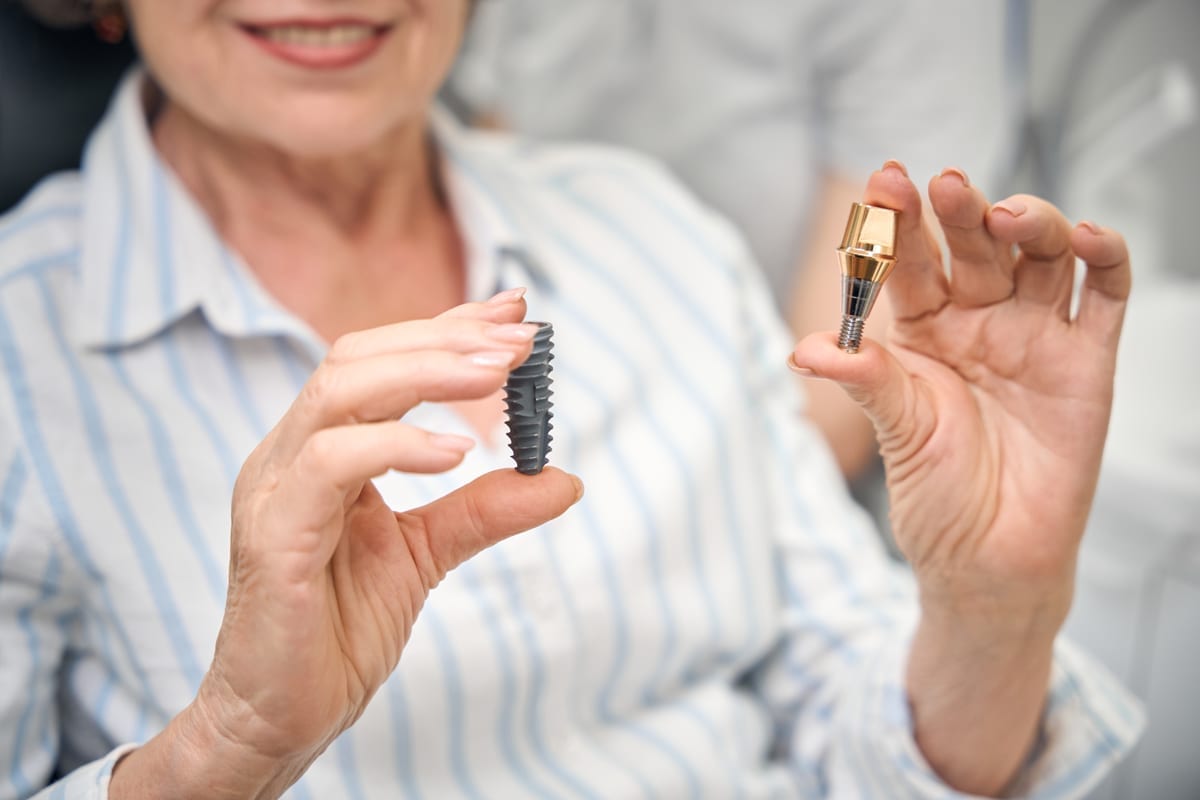
Some patients also explore Dental Implants as an alternative or complementary option. Implants can anchor dentures more firmly in place. Your consultation will help determine which path fits your anatomy and goals.
What Happens During the Extraction Phase?
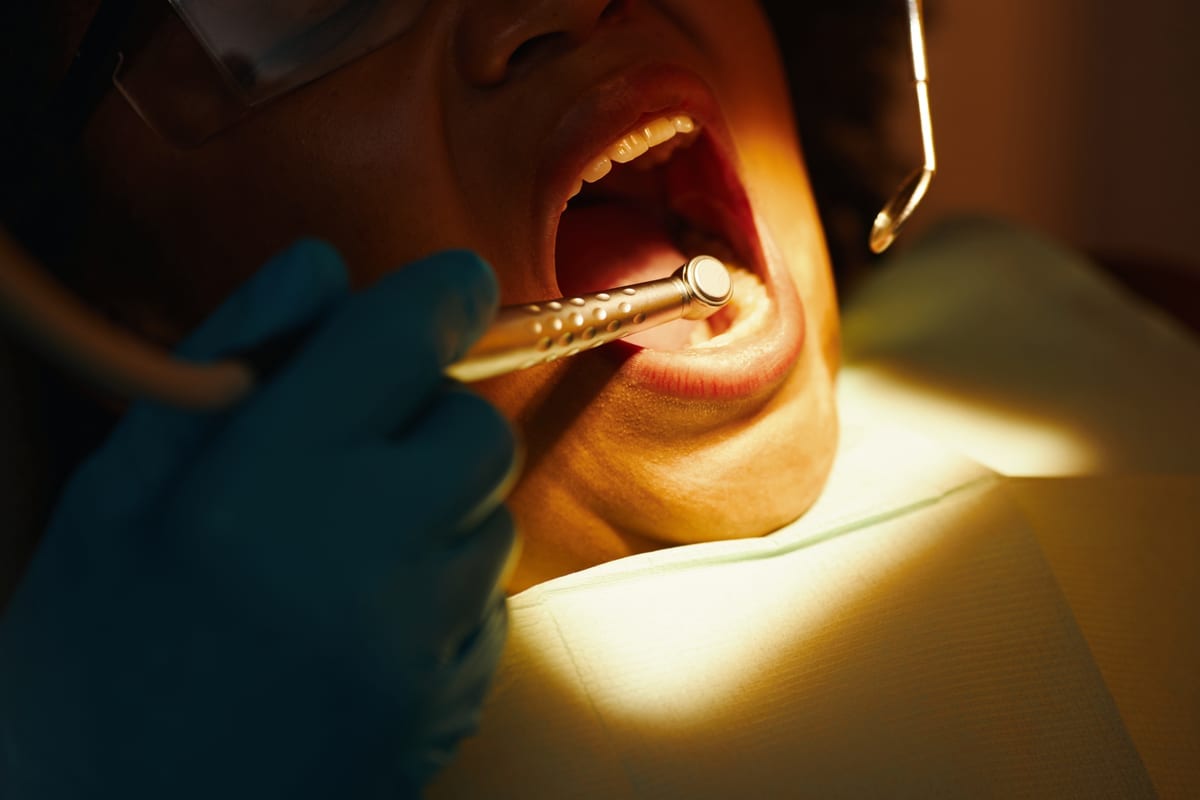
If you still have remaining teeth that need removal, extraction comes first. This phase can feel intimidating, but understanding it helps reduce anxiety significantly. Dr. Mariscal uses gentle techniques and offers sedation options to keep you comfortable throughout.
Here is what the extraction process typically involves:
- Initial exam and X-rays — Dr. Mariscal maps out which teeth require removal and in what order.
- Sedation selection — Local anesthesia is standard; sedation dentistry is available for anxious patients.
- Extraction appointment — Teeth are removed carefully to preserve surrounding bone and gum tissue.
- Immediate denture placement (optional) — Some patients receive temporary dentures the same day as extractions.
- Post-operative care instructions — You leave with a clear plan for managing swelling, diet, and healing at home.
Multiple extractions can sometimes be completed in one visit. This depends on your health, the complexity of the case, and how many teeth require removal. Your comfort and safety always guide the pace of treatment.
Understanding the Healing Timeline Before Final Dentures
Healing after extractions takes time, and that timeline matters for denture fit. Gum tissue and bone naturally shrink and reshape after teeth are removed. Rushing this phase leads to poor-fitting dentures that cause sores and discomfort.
Most patients follow a timeline similar to this:
- Weeks 1–2: Initial healing; soft diet recommended; some swelling is normal
- Weeks 3–6: Gum tissue closes and begins reshaping significantly
- Months 2–4: Bone remodeling continues beneath the surface
- Months 4–6: Tissue stabilizes enough for final denture impressions
- Month 6+: Final dentures are fitted, adjusted, and delivered
Immediate dentures can be worn during healing as a temporary solution. They protect your gums and maintain your appearance while everything heals. However, they will require relining or replacement as your mouth changes shape.
Dr. Mariscal monitors your healing progress at follow-up visits. These checkpoints catch complications early and keep your treatment on track. Patients in Uptown appreciate knowing exactly where they stand at every stage.
What to Expect When You Start Wearing Your Dentures
Receiving your final dentures is an exciting milestone in the process. Most patients, however, need an adjustment period before they feel fully comfortable. Understanding what is normal helps you set realistic expectations from day one.
During the first few weeks of wearing dentures, you may notice:
- Increased saliva production as your mouth adjusts
- Minor soreness at pressure points on the gums
- Slight difficulty speaking certain words or sounds
- Challenges chewing harder or sticky foods initially
These experiences are temporary and very common. Dr. Mariscal schedules adjustment appointments to refine the fit as needed. Small refinements make a significant difference in long-term comfort and function.
Proper denture care extends the life of your appliance considerably. Clean them daily with a soft brush and denture cleanser. Store them in water or denture solution overnight to prevent warping.
Exploring Other Options Alongside Dentures
Dentures are not always a one-size-fits-all solution for every patient. Some people benefit from combining dentures with other restorative treatments. Understanding your full range of options leads to better long-term outcomes.
For patients missing only a few teeth, Dental Bridges may offer a fixed, non-removable alternative. Bridges anchor to healthy adjacent teeth and fill gaps without the need for a removable appliance. Dr. Mariscal will explain whether a bridge, partial denture, or implant-supported option suits your specific situation best.
Implant-supported dentures are also worth discussing during your consultation. They combine the coverage of dentures with the stability of implants. Many patients find this hybrid solution delivers greater confidence when eating and speaking.
Frequently Asked Questions
How long does the full denture process take from start to finish?
The entire process typically takes between four and twelve months. This varies based on how many extractions are needed and how quickly your gums heal. Some patients with straightforward cases move faster, while complex cases require more time for proper bone and tissue stabilization.
Can I get dentures the same day as my extractions?
Yes, immediate dentures can be placed on the same day as extractions. These temporary dentures protect your gums during the healing phase. However, they will need to be relined or replaced with permanent dentures once your mouth fully heals and reshapes.
Will dentures affect how I speak or eat?
There is typically a short adjustment period during which speech and chewing feel different. Most patients adapt within a few weeks as their tongue and cheek muscles learn to work with the new appliance. Practicing speaking and starting with soft foods helps speed up the adjustment process considerably.
How do I know if I need full or partial dentures?
Full dentures replace an entire arch of teeth, while partial dentures fill in multiple gaps when healthy teeth remain. Dr. Mariscal evaluates how many teeth are missing, the health of remaining teeth, and your jawbone density before recommending the right type. A thorough exam and X-rays provide the clearest picture of your needs.
Is the extraction process painful?
Extractions are performed under local anesthesia, so you should feel pressure but not sharp pain during the procedure. Sedation dentistry is available for patients who experience significant dental anxiety. Post-extraction soreness is normal and typically manageable with over-the-counter pain relief and the care instructions provided by Dr. Mariscal.
If you are ready to take the next step toward a restored smile, Dr. Jose M. Mariscal and the team at In Smyle Dental in Chicago are here to guide you through every stage. From candidacy evaluation to your final fitting, you will never navigate this process alone. Book Now to schedule your appointment with our team.