How Long Does It Take to Recover After a Root Canal Treatment?
Root canal treatment, a common dental procedure, is often surrounded by misconceptions and apprehensions. Patients frequently worry about the pain and the recovery process. Understanding the recovery timeline and what to expect can significantly ease these concerns. This comprehensive guide will cover all aspects of recovery after a root canal treatment, providing valuable insights and tips for a smooth and speedy recovery.
What is a Root Canal Treatment?
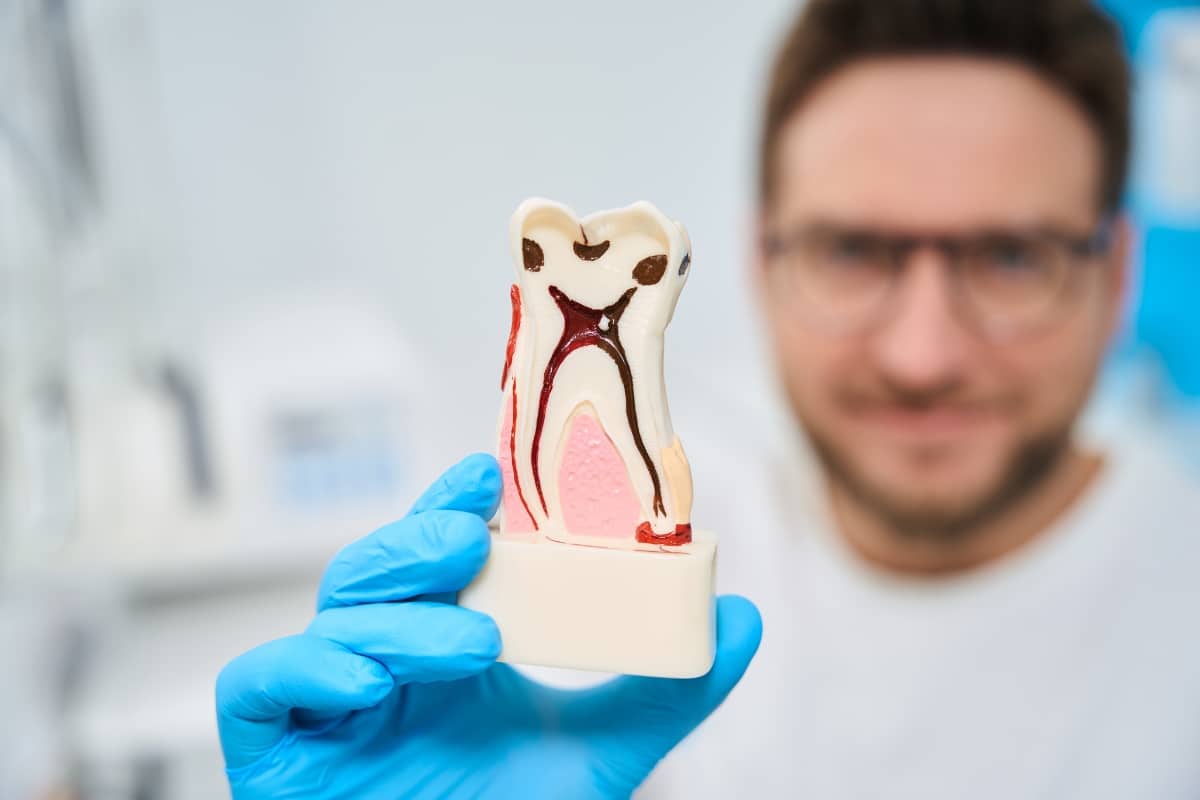
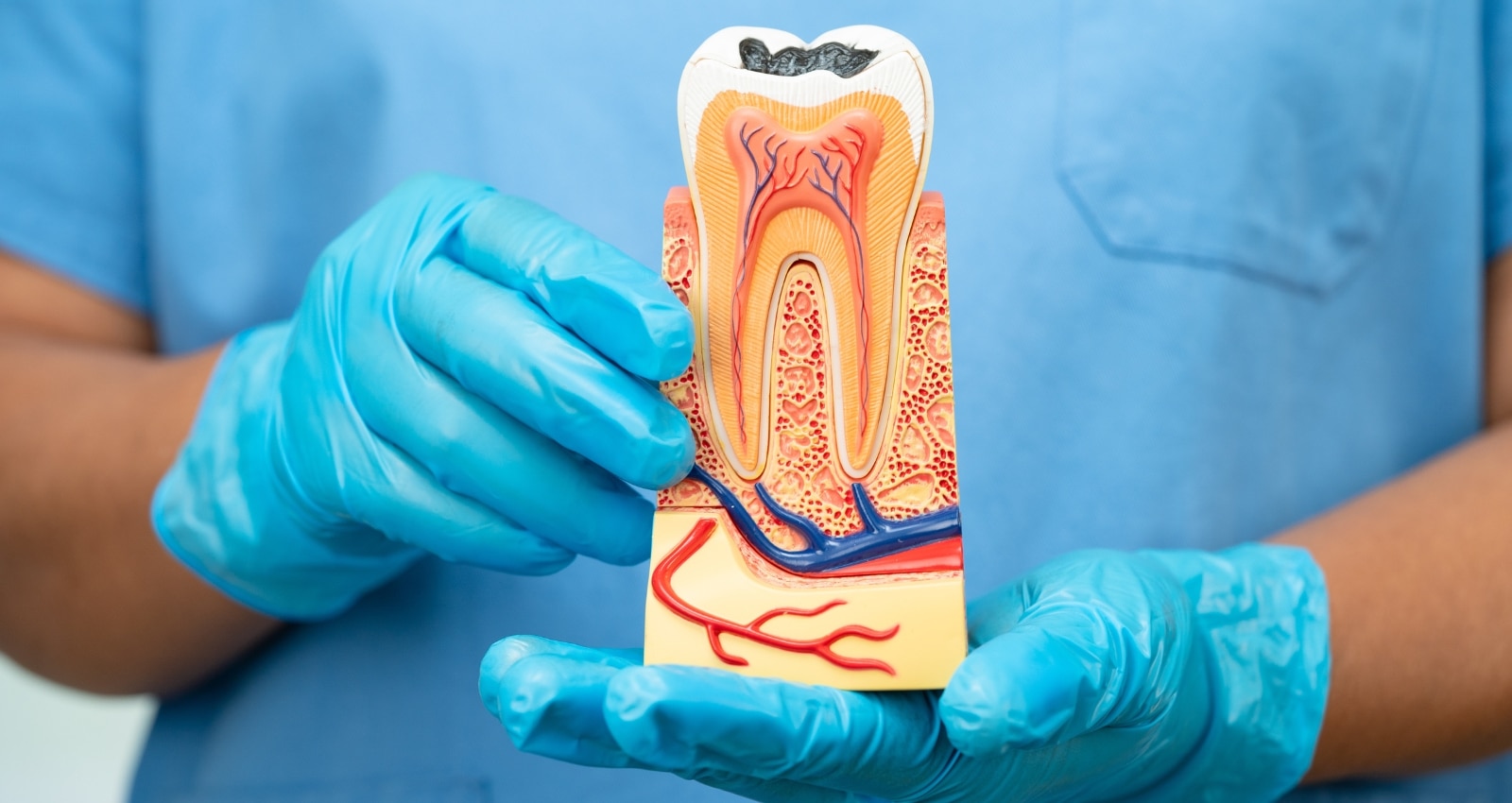
A root canal is a dental procedure performed to save a tooth that is severely infected or decayed. The process involves removing the infected pulp (the soft tissue inside the tooth), cleaning and disinfecting the inner part of the tooth, and then filling and sealing it. This helps in eliminating the infection and protecting the tooth from future microbial invasion.
The Root Canal Procedure: Step-by-Step
- Diagnosis and Preparation: The dentist examines the tooth and takes X-rays to determine the extent of the infection. Local anesthesia is administered to numb the area around the affected tooth.
- Accessing the Pulp: A small hole is drilled into the tooth to access the infected pulp.
- Removing the Infected Pulp: The dentist removes the infected or damaged pulp using specialized instruments.
- Cleaning and Disinfecting: The inner chambers of the tooth are cleaned and disinfected to remove any remaining bacteria.
- Filling and Sealing: The cleaned chambers are filled with a biocompatible material called gutta-percha and sealed to prevent future infection.
- Restoration: In most cases, a crown is placed over the treated tooth to restore its function and appearance.
Immediate Post-Procedure Experience
Immediately after the root canal treatment, the patient may experience numbness in the treated area due to the local anesthesia. As the anesthesia wears off, mild discomfort or pain is common. This pain is usually manageable with over-the-counter pain relievers like ibuprofen or acetaminophen.
Common Immediate Symptoms
- Soreness: The treated area may feel sore for a few days.
- Swelling: Mild swelling around the treated tooth is common.
- Sensitivity: The tooth may be sensitive to pressure or temperature changes.
The Recovery Timeline
The First 24-48 Hours
The first two days after the procedure are crucial for initial recovery. Patients may experience some discomfort and swelling, but this is generally manageable with pain relievers and home care.
Tips for the First 48 Hours
- Rest: Take it easy and avoid strenuous activities.
- Pain Management: Use prescribed or over-the-counter pain medications as directed.
- Cold Compress: Apply a cold compress to the outside of your cheek to reduce swelling.
- Soft Diet: Stick to soft foods and avoid chewing on the treated tooth.
- Good Oral Hygiene: Maintain oral hygiene by brushing and flossing gently.
Days 3-7
By the third day, the initial pain and swelling should start to subside. Most patients can resume normal activities but should continue to avoid chewing on the treated tooth until it is fully restored.
- Monitor Symptoms: Keep an eye on the treated area for any signs of infection or persistent pain.
- Oral Care: Continue with gentle brushing and flossing, avoiding the treated tooth.
- Diet: Gradually reintroduce firmer foods but avoid anything too hard or crunchy.
Weeks 1-2
During this period, the tooth should feel significantly better. Any lingering soreness or sensitivity should continue to diminish. By the end of the second week, most patients feel almost back to normal.
- Dental Follow-Up: Attend any scheduled follow-up appointments to ensure proper healing.
- Permanent Restoration: If a temporary filling was used, the dentist will place a permanent crown or filling during this period.
- Oral Hygiene: Maintain good oral hygiene practices, including brushing, flossing, and possibly using an antimicrobial mouthwash.
Weeks 3 and Beyond
After the first two weeks, recovery is typically complete. The tooth should function normally, and any sensitivity or discomfort should be resolved. A well-restored tooth after a root canal can last a lifetime with proper care.
Factors Influencing Recovery Time
Several factors can influence how quickly a patient recovers after a root canal treatment:
- Extent of Infection: A more severe infection may require a longer recovery period.
- Patient’s Overall Health: Patients with underlying health conditions may take longer to heal.
- Post-Treatment Care: Adhering to post-treatment care instructions can significantly impact the speed of recovery.
- Quality of Dental Work: The expertise of the dentist performing the root canal can also influence recovery time.
Managing Pain and Discomfort
Pain management is a crucial aspect of the recovery process. Here are some tips to manage pain effectively:
Medications
- Over-the-counter Pain Relievers: Ibuprofen and acetaminophen are commonly recommended.
- Prescribed Medications: In some cases, the dentist may prescribe stronger pain relievers or antibiotics if an infection is present.
Home Remedies
- Cold Compress: Applying a cold compress can help reduce swelling and numb the area.
- Salt Water Rinse: Rinsing with warm salt water can help keep the area clean and reduce inflammation.
- Elevate Your Head: Keeping your head elevated, especially when sleeping, can help reduce swelling.
Long-Term Care After a Root Canal
Taking care of your teeth after a root canal is essential to prevent future dental issues. Here are some long-term care tips:
Oral Hygiene
- Brushing: Brush your teeth at least twice a day using a fluoride toothpaste.
- Flossing: Floss daily to remove plaque and food particles from between your teeth.
- Mouthwash: Use an antimicrobial mouthwash to reduce bacteria in your mouth.
Regular Dental Check-Ups
- Routine Cleanings: Schedule regular dental cleanings and check-ups every six months.
- Monitoring: Keep an eye on the treated tooth for any changes or signs of problems.
Healthy Diet
- Balanced Diet: Eat a balanced diet rich in fruits, vegetables, and whole grains.
- Limit Sugary Foods: Reduce your intake of sugary foods and beverages that can contribute to tooth decay.
Avoiding Tooth Damage
- Mouthguards: Wear a mouthguard if you participate in contact sports.
- Avoid Chewing Hard Objects: Don’t chew on hard objects like ice or pens, which can damage your teeth.
Recovering from a root canal treatment typically takes a few days to a couple of weeks, with most patients feeling significantly better within a week. The key to a smooth recovery lies in following your dentist’s post-treatment instructions, maintaining good oral hygiene, and being mindful of your diet and activities. While some discomfort is normal, severe pain or other complications should be promptly addressed by your dentist.
By understanding the recovery process and taking proactive steps to care for your treated tooth, you can ensure a successful outcome and enjoy the benefits of a pain-free, healthy smile. If you have any concerns or questions about your recovery, don’t hesitate to reach out to your dental professional for guidance and support.