How Long Do Dental Implants Actually Last?
Welcome to another informative blog post on In Smyle Dental! Today, we’re diving deep into the world of dental implants and answering a question that has been on everyone’s minds: How long do dental implants actually last? If you’ve ever considered getting this life-changing procedure or simply want to expand your knowledge on oral health, you’ve come to the right place. Join us as we uncover the secrets behind these remarkable tooth replacements and explore just how durable they truly are. So grab your cup of coffee, sit back, and prepare to be amazed by the incredible longevity of dental implants!
How Do Dental Implants Work?
The process of getting dental implants typically involves several stages over several months. First, a comprehensive evaluation will be conducted by your dentist to determine if you are a suitable candidate for dental implants. This will include X-rays and scans to assess the condition of your jawbone and surrounding tissues.
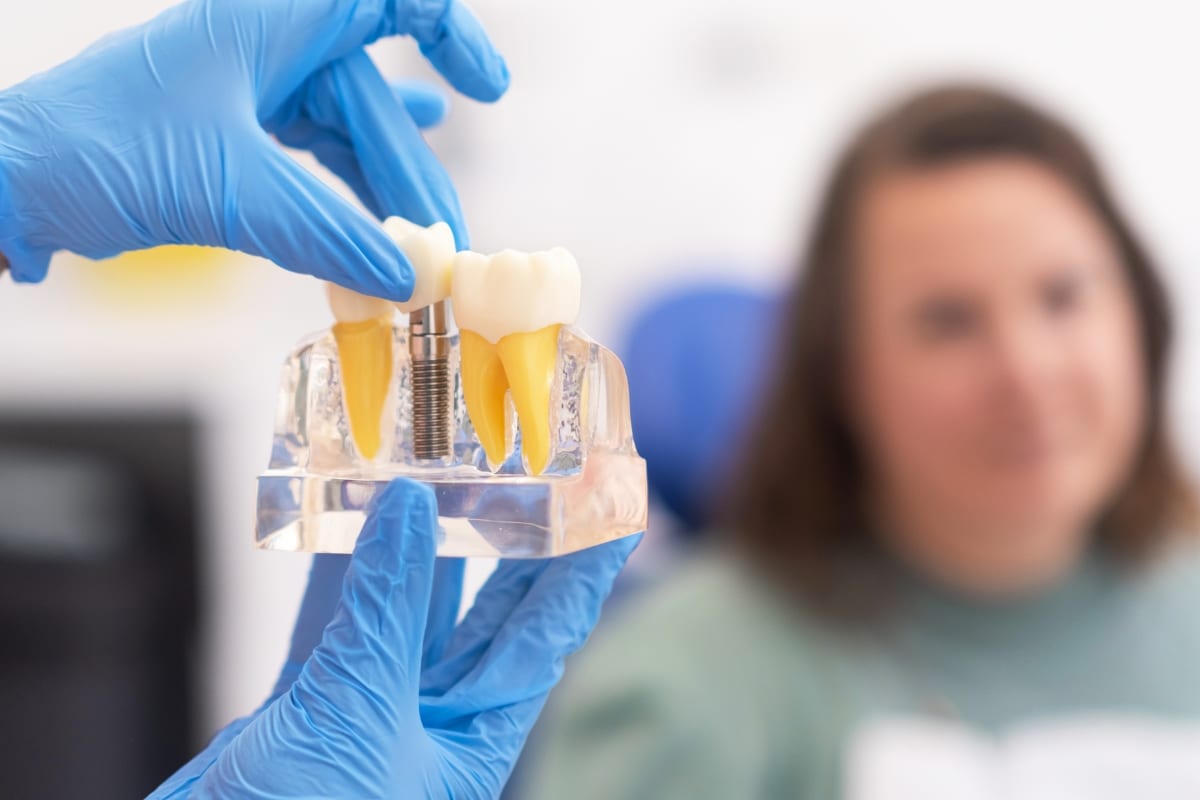
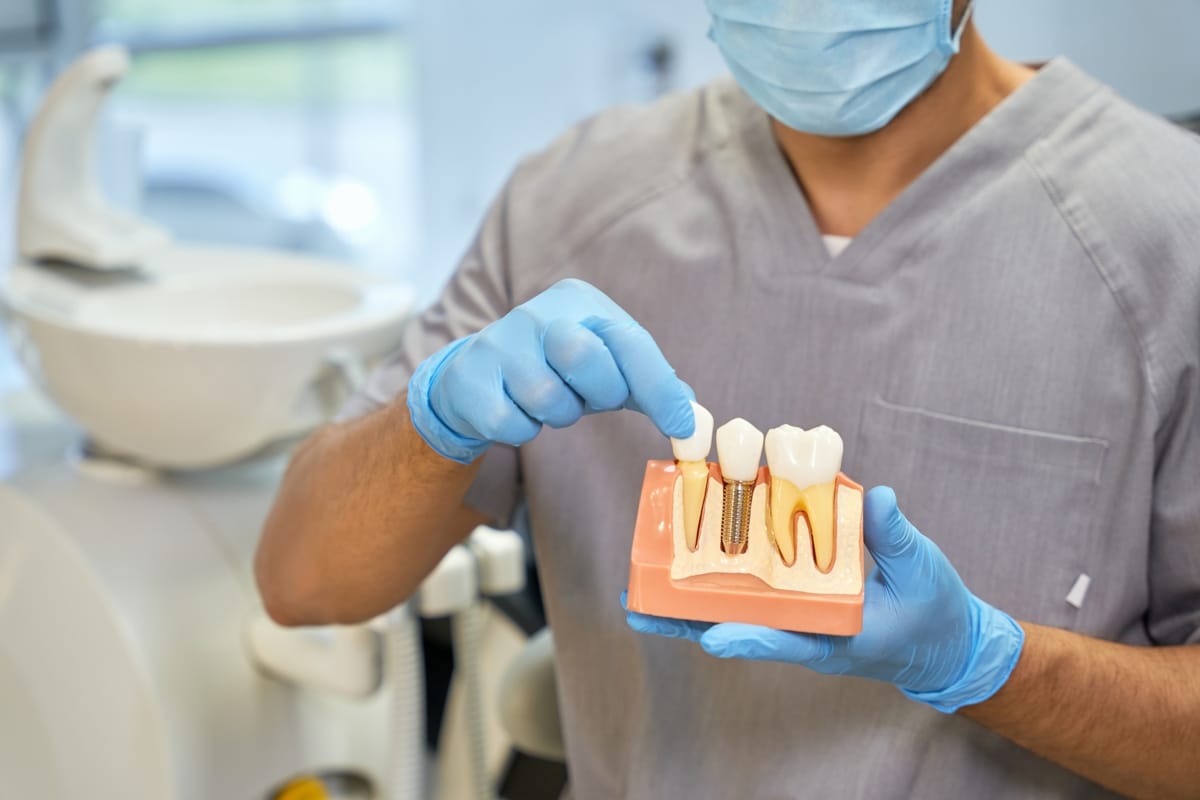
If you are deemed eligible for dental implants, the first step will involve surgically placing the titanium post into your jawbone. After this procedure, there is usually a healing period of 3-6 months during which the implant fuses with the bone in a process called osseointegration.
Average Lifespan of Dental Implants
The average lifespan of dental implants is an important factor to consider when deciding whether or not to undergo the procedure. Dental implants are a long-term investment in your oral health, and it’s essential to understand how long they can last before making a decision.
According to studies, dental implants have an impressive success rate of over 95%, with most lasting for at least 25 years. However, this number can vary depending on individual factors such as oral hygiene habits, overall health, and the location of the implant in the mouth.
On average, a dental implant can last anywhere from 10-15 years without requiring any maintenance or replacement. This means that if you follow proper oral hygiene practices and visit your dentist regularly for check-ups and cleanings, your implant has a good chance of lasting for several decades.
One significant advantage of dental implants is that they are designed to fuse with the jawbone through a process called osseointegration. This results in a sturdy foundation for artificial teeth that mimics the strength and durability of natural tooth roots. As a result, dental implants have been known to last even longer than traditional restorative options like dentures or bridges.
However, there are also factors that can affect the lifespan of dental implants negatively. These include smoking, chronic diseases such as diabetes or osteoporosis, and poor oral hygiene. Smoking has been linked to increased risk of implant failure due to its negative impact on healing and blood flow in the gums.
Tips for Maintaining and Extending the Lifespan of Dental Implants
Dental implants are an excellent solution for replacing missing teeth, providing a long-lasting and natural-looking alternative to dentures or bridges. While dental implants have an impressive success rate and can last for decades, proper maintenance is crucial for extending their lifespan. Here are some essential tips for maintaining and extending the lifespan of your dental implants:
1. Follow Proper Oral Hygiene Practices
Just like natural teeth, dental implants require regular brushing and flossing to keep them clean and healthy. Use a soft-bristled toothbrush and non-abrasive toothpaste to brush around the implant crown and abutment at least twice a day. Flossing should also be done daily, making sure to clean along the gum line where plaque tends to accumulate.
2. Use Antibacterial Mouthwash
In addition to brushing and flossing, using an antibacterial mouthwash can help reduce the risk of infection around your dental implant. Rinse with an alcohol-free mouthwash after brushing, as it will not dry out your mouth or disturb the healing process.
3. Avoid Hard or Sticky Foods
While dental implants are strong and durable, they may not be able to withstand excessive pressure from hard foods such as nuts or hard candy. These foods can cause damage or even breakage of the implant crown or abutment over time. Sticky foods like taffy or caramel can also get stuck in between teeth, increasing the risk of bacterial growth around the implant.
4. Quit Smoking
Smoking significantly increases the risk of implant failure due to reduced blood flow and compromised healing processes. Nicotine restricts blood vessels, hindering the necessary oxygen and nutrient supply to the implant site. Moreover, smoking raises the likelihood of infection and gum disease, both of which can compromise implant stability. By quitting smoking, patients enhance their overall oral health and boost the chances of long-lasting, successful dental implants.
Dental implants have proven to be a remarkable and durable solution for replacing missing teeth. While the exact lifespan of dental implants can vary from person to person, with proper care, they can last a lifetime. Maintaining excellent oral hygiene, attending regular check-ups with your dentist, and adopting a healthy lifestyle, including quitting smoking, are all essential factors in ensuring the longevity of your dental implants. With advancements in dental technology and the expertise of dental professionals, there’s every reason to believe that your dental implants can offer you a confident, functional, and beautiful smile for many years to come.
Better oral health starts here
Related Articles