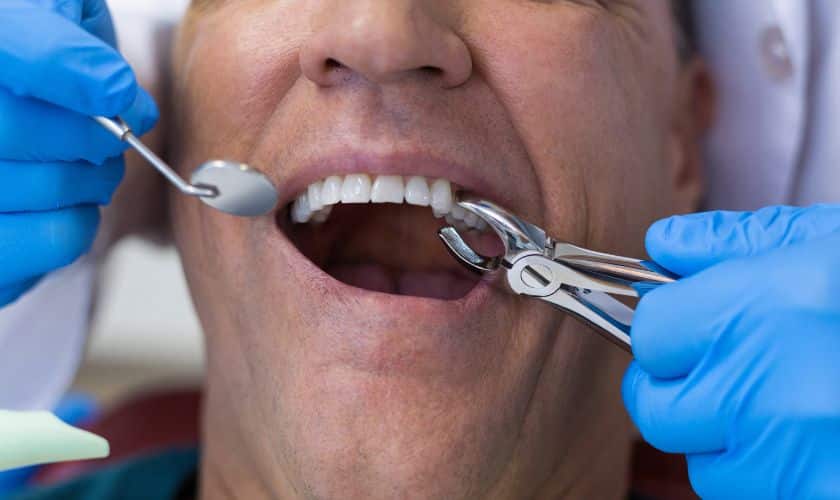
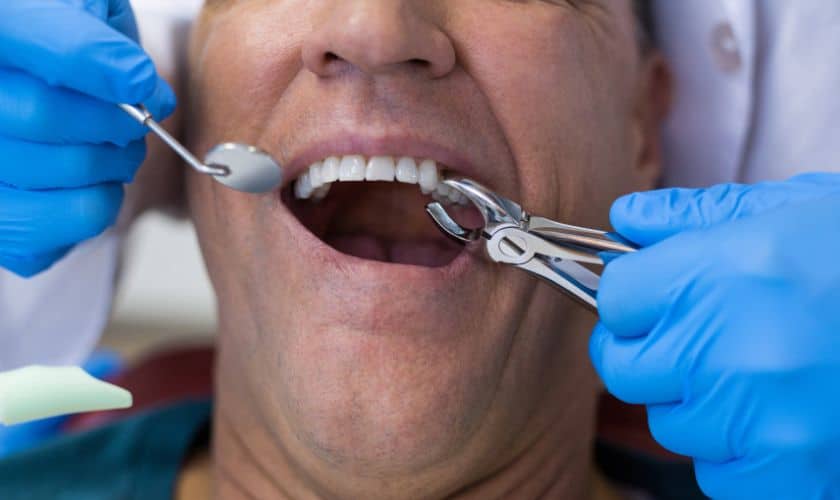
The Benefits of Tooth Extractions for Your Oral Health
Are you dreading a tooth extraction? It’s common to feel anxious about this procedure, but did you know that it can actually benefit your oral health in the long run? While nobody likes losing a tooth, there are certain situations where an extraction may be necessary for optimal dental wellness. In this post, we’ll explore how tooth extractions can improve your oral health and why they might not be as scary as you think!
What is a tooth extraction?
A tooth extraction is the removal of a tooth from the mouth. Extractions are performed for a variety of reasons, including infection, crowding, and trauma.
Why you might need a tooth extraction?
There are a few reasons why you might need a tooth extraction. One reason is if you have a tooth that is severely decayed or damaged. If the tooth can’t be repaired, then it will need to be removed. Another reason you might need an extraction is if you have a wisdom tooth that is causing pain or crowding your other teeth. Sometimes, people with braces may need to have a tooth extracted in order to make room for their teeth to shift properly. Whatever the reason, having a tooth extracted can actually be beneficial for your oral health.

The benefits of tooth extractions
There are many benefits of tooth extractions for your oral health. Extracting teeth can help to improve your bite, make room for dental implants, and prevent problems with your temporomandibular joint (TMJ). Additionally, tooth extractions can help to reduce the risk of periodontal disease and cavities.
How to prepare for a tooth extraction
If you are scheduled for tooth extraction, there are some things you can do to prepare for the procedure. First, it is important to have a clear understanding of what will happen during the extraction. Your dentist or oral surgeon will numb the area around the tooth with a local anesthetic. Once the area is numb, they will use special instruments to loosen the tooth and remove it from the socket. You may feel some pressure during this process, but you should not feel any pain.
After your tooth has been extracted, your dentist will provide instructions on how to care for the area. It is important to follow these instructions carefully to ensure proper healing. In most cases, you will be able to eat and drink normally after the procedure, but it is important to avoid chewing directly on the extraction site. You may also experience some bleeding and swelling after the procedure, which is normal. Be sure to take it easy for a few days and get plenty of rest so that your body can heal properly.
What to expect after a tooth extraction
After tooth extraction, it is normal to experience some bleeding. This can be controlled by biting on a gauze pad for 30-45 minutes. There may also be some swelling and bruising around the extraction site. To help reduce swelling, apply an ice pack to the area for 20 minutes on and 20 minutes off. Pain is usually mild and can be managed with over-the-counter pain medication. It is important to take it easy for the first 24 hours after extraction and avoid using straws, spitting, smoking, or drinking alcohol as this can disrupt the clotting process and cause bleeding.
Conclusion
Tooth extractions can be a great way to help maintain your oral health. From preventing overcrowding of teeth and the formation of impacted wisdom teeth to restoring damage from severe decay or trauma, tooth extractions can provide long-term benefits for you and your smile. It’s important that you discuss all possible treatment options with your dentist before deciding which course of action is best for you. With professional assistance, you can choose the option that meets both short-term needs as well as long-term goals for optimal dental health!
Faqs
Why would I need a Tooth Extraction?
There are a few reasons why you might need a tooth extraction. If you have a tooth that is severely decayed or damaged, it may need to be removed. If you have a tooth that is impacted (stuck in the gum), it may also need to be removed. Additionally, if you are getting braces, you may need to have one or more teeth extracted in order to create enough room for your teeth to shift into their new positions.
Is getting a Tooth Extracted painfully?
No, you will not feel any pain during the procedure. You will be given local anesthesia to numb the area around the tooth, so you should only feel pressure during the extraction. After the procedure, you may experience some soreness and discomfort, which can be managed with over-the-counter pain medication.
How Long does it take to recover from a Tooth Extraction?
Recovery times vary from person to person, but most people feel back to normal within a week. It is important to take it easy for the first few days after your procedure and avoid strenuous activity. You should also eat soft foods and avoid using straws for the first few days while your mouth heals.