
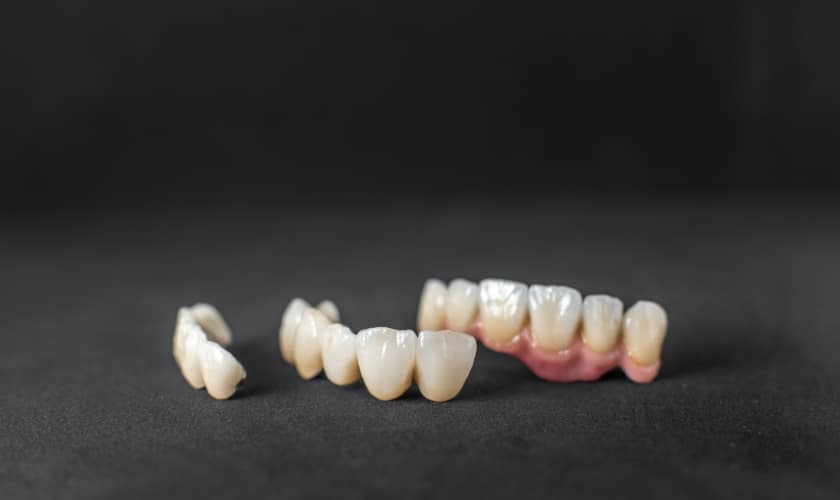
Benefits Of Dental Bridges: A Guide To Good Oral Health
Are you missing a tooth or two and feeling self-conscious about your smile? Dental bridges may just be the solution you’ve been looking for! Not only do they restore your smile’s appearance, but they also have several functional benefits. In this blog post, we’ll explore what dental bridges are, how they work, the different types available, and most importantly – the advantages of having one. So sit back, relax, and let’s dive into the world of dental bridges!
What Are Dental Bridges?
Dental bridges are a common dental restoration used to replace one or more missing teeth. They are designed to “bridge” the gap between two healthy teeth adjacent to the space left by a missing tooth. Dental bridges can be made from various materials, including porcelain, ceramic, and metal alloys.
To prepare for a dental bridge procedure, your dentist will first need to prepare the adjacent teeth that will hold the bridge in place. This may involve removing some of the tooth enamel to make room for crowns that will be placed over these teeth.
Once this is done, an impression of your mouth will be taken so that your custom-made bridge can be created in a dental laboratory. Your new bridge will then be cemented onto your prepared teeth during a second appointment with your dentist.
Choosing dental bridges as a restorative option has many benefits including improved speech and chewing ability, preservation of remaining teeth from shifting out of place, and an overall improvement in appearance and confidence.
How Do These Dental Restorations Work?
Dental bridges are an excellent solution to missing teeth. They work by bridging the gap between two healthy teeth, and they’re anchored in place using dental crowns on either side of the bridge.
The process typically involves two visits to your dentist. During the first visit, your dentist will prepare the abutment teeth (the ones that will anchor the bridge) and take impressions of your mouth.
These impressions are then sent to a dental laboratory where skilled technicians create a custom-made bridge that perfectly fits into your mouth.
During your second visit, your dentist will fit the new bridge onto its anchoring teeth. The results can be quite remarkable – restoring not only function but also enhancing aesthetics!
Dental bridges are made from durable materials such as porcelain or ceramic, ensuring they blend well with surrounding natural teeth. With proper care and maintenance, they can last for many years without needing replacement.
Dental bridges offer an effective solution for those who want to restore their beautiful smile after losing one or more teeth!
The Different Types
When it comes to dental bridges, there are several types available that offer patients a range of options. The most common type is the traditional bridge, which consists of one or more artificial teeth held in place by dental crowns on either side. This type of bridge is often used when only one or two teeth need to be replaced.
Another type of dental bridge is the cantilever bridge, which uses a similar design but only requires one crown for support. This makes it an ideal option for situations where there isn’t enough room for multiple crowns or if the missing tooth is located at the front of the mouth.
For patients who prefer a more discreet option, there are also resin-bonded bridges, also known as Maryland bridges. These use metal or porcelain wings bonded to adjacent teeth with resin instead of crowns and are typically used when replacing front teeth.
Implant-supported bridges are becoming increasingly popular as they provide superior stability and durability compared to other types of bridges. Instead of using crowns or wings for support, these bridges attach directly to dental implants that have been surgically placed into your jawbone.
Whatever your specific needs may be, discussing all available options with your dentist will help ensure you make an informed decision about which type of dental bridge is right for you.
Advantages Of Dental Bridges
Dental bridges are a popular dental restoration option for those who have lost one or more teeth. Here are some advantages of getting dental bridges:
Improved Appearance: The gap in your teeth due to missing teeth can be unsightly and affect the appearance of your smile. By filling in the gaps with dental bridges, you can significantly improve your smile’s aesthetics.
Better Speech: Missing teeth can impact how you speak, leading to slurring or difficulty pronouncing certain words. Dental bridges fill in these gaps, allowing for clearer speech and better articulation.
Comfortable Eating: Missing teeth make it difficult to chew food properly, which can lead to digestive issues. With dental bridges, you’ll be able to enjoy your favorite foods without discomfort or pain.
Prevent Shifting Teeth: When a tooth is missing, nearby teeth may shift into that space over time. This movement leads to changes in bite alignment and jawbone structure. By getting dental bridges promptly after losing a tooth, you can prevent shifting from occurring.
Long-Lasting Solution: Properly cared-for dental bridges last up to 10 years on average before requiring replacement. They also don’t require much maintenance beyond regular brushing and flossing.
In summary, there are many benefits of having dental bridges installed if you’ve lost one or more teeth. From improving appearance and speech clarity to preventing shifting teeth and making eating more comfortable – they’re an excellent solution for anyone looking for a long-lasting fix that won’t require too much upkeep over time!
Finishing Off
Dental bridges are an excellent solution to replace missing teeth. They enhance your smile, restore the functionality of your mouth and boost your confidence level.
If you’re interested in getting dental bridges, it’s crucial to consult with a dentist who will evaluate whether this is the best option for you.
There are many advantages of dental bridges; they can last up to 15 years or longer if appropriately cared for and can improve multiple aspects of one’s life. The benefits include improved appearance, better speech, easier eating habits, and even preventing other teeth from shifting. By choosing dental bridges as a solution for tooth loss, you might be able to avoid more complicated treatments down the line while enjoying all these benefits!
Better oral health starts here
Related Articles