Saving Your Natural Tooth: Why Root Canal Is Often The Best Choice
Imagine waking up one day with a constant throbbing toothache that seems unbearable. You might fear the worst: extraction and losing your precious smile. But before jumping to conclusions, consider an alternative—root canal treatment.
This often-overlooked procedure has saved countless teeth, enabling people to preserve their natural smiles for years. If you’re dealing with dental issues, understanding root canals could be the key to both comfort and confidence.
Let’s explore what root canal treatment involves and why it might be the best option for your oral health!
The Steps of Root Canal Treatment
- Root canal treatment might sound intimidating, but it’s actually a straightforward process. The procedure starts with a thorough evaluation of your tooth and the surrounding tissue. A dentist will use X-rays to assess the extent of any damage or infection.
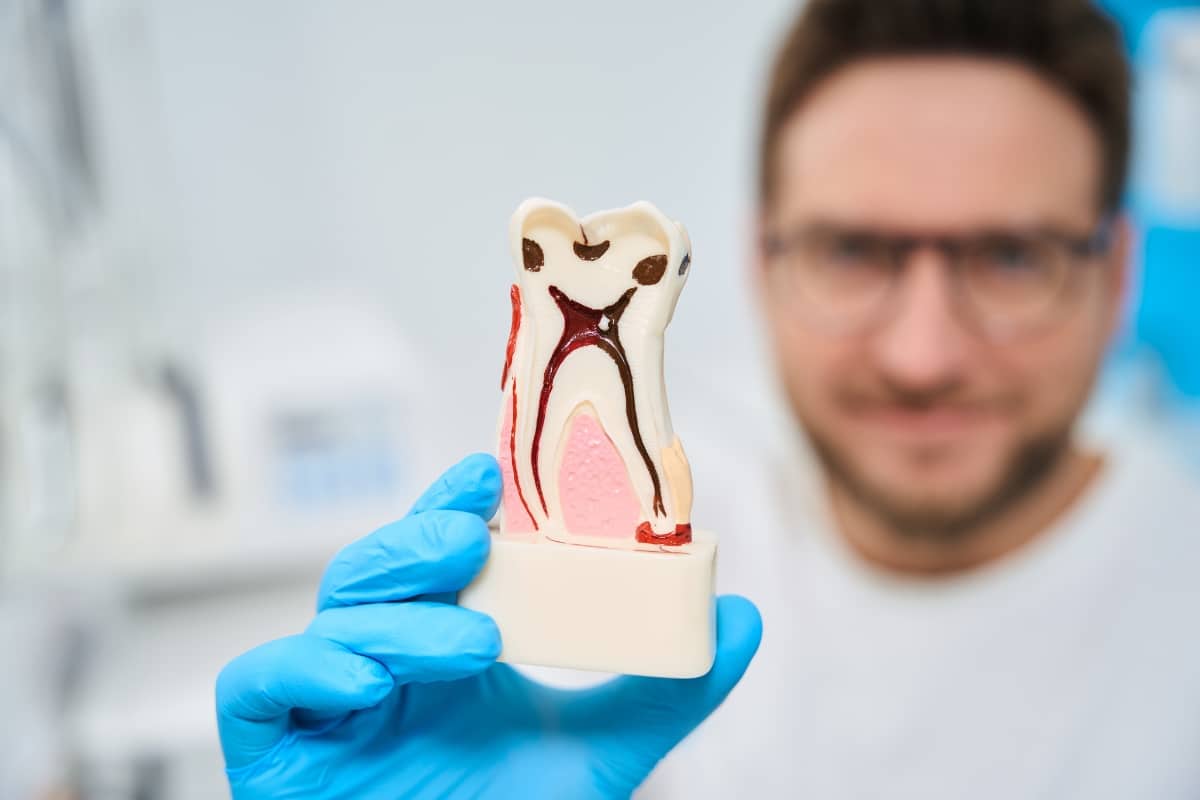
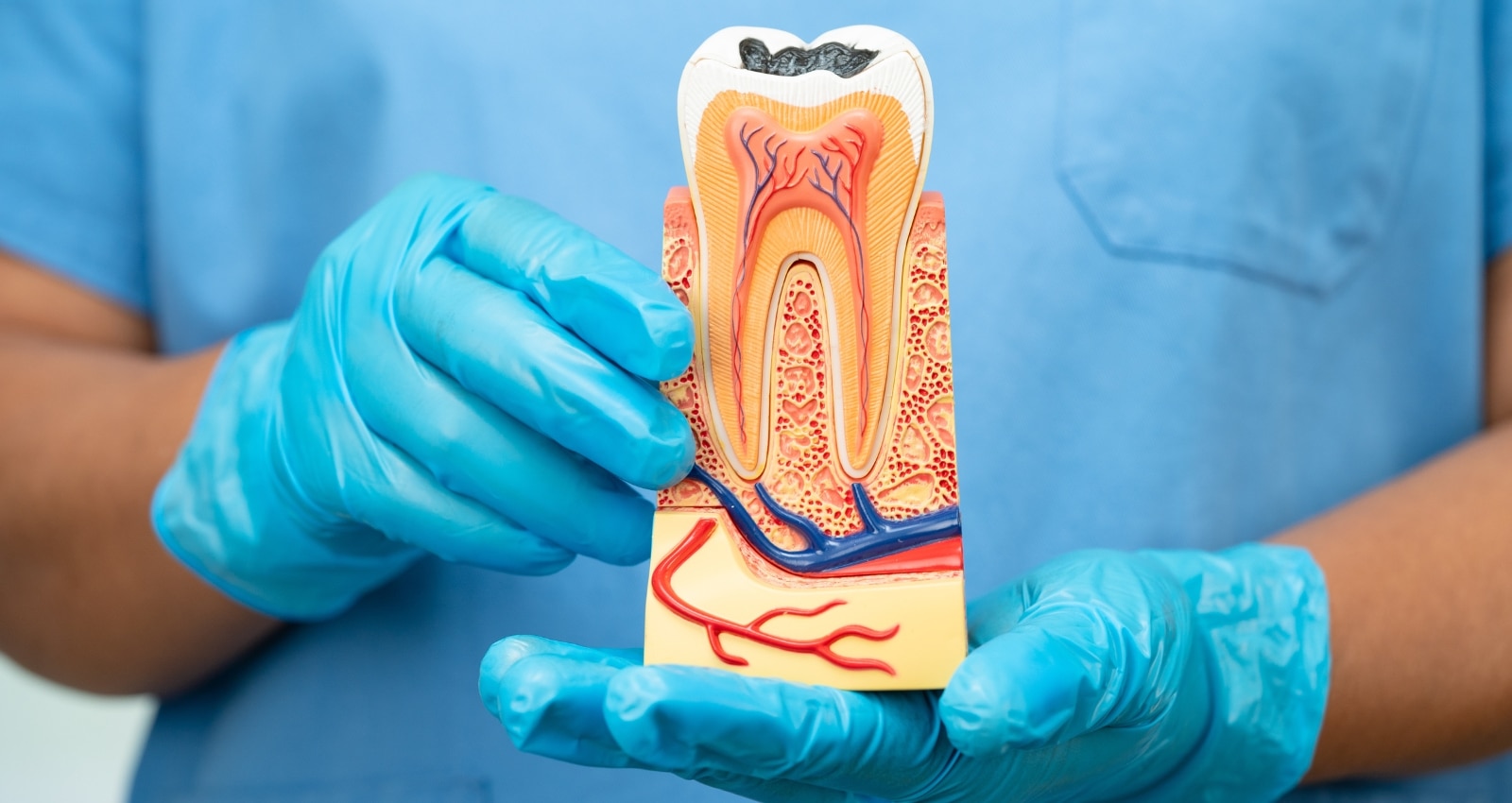
- Once the diagnosis is made, local anesthesia is administered to ensure you feel no pain during the treatment. After you’re numb, the dentist carefully removes the infected pulp from the inside of the tooth. This step eliminates pain and prevents further complications.
- Next, the dentist cleans and shapes the inner chamber of the tooth to prepare it for filling. Biocompatible materials are used to seal the area, restoring the tooth’s integrity.
- Afterward, a crown may be placed on top of the tooth to provide extra protection and functionality. Typically, the entire process takes one or two visits, depending on your specific needs, making it a manageable option for many patients.
Benefits of Saving Your Natural Tooth
There are several advantages to saving your natural tooth, which go far beyond just cosmetic appeal. A healthy tooth plays an essential role in your ability to chew and speak comfortably.
- When you preserve your natural teeth, you’re also helping to maintain the structure of your jawbone. Missing teeth can cause bone loss over time, leading to changes in your facial appearance and misalignment of remaining teeth.
- Natural teeth are built to last. By opting for root canal treatment in Chicago, IL, you avoid the need for more invasive treatments like implants or bridges in the future.
- Moreover, keeping your original tooth makes it easier to maintain optimal oral hygiene. It’s simpler to clean, and food particles are less likely to get trapped compared to artificial teeth.
- Preserving your natural smile not only boosts your oral health but also fosters emotional well-being. A confident smile can enhance your self-esteem and help you feel better when interacting with others.
How To Know if You Need a Root Canal?
Several signs can indicate that you need a root canal:
- Persistent Tooth Pain: A lingering or worsening toothache is often a sign of a problem deep within the tooth that requires attention.
- Sensitivity to Temperature: If your tooth remains sensitive to hot or cold long after exposure, it might indicate internal damage.
- Swelling and Tenderness: Painful, swollen gums can signal an infection, which should be addressed promptly.
- Discoloration: A darkened tooth may point to nerve damage beneath the surface, which may require a root canal.
If you notice any of these symptoms, it’s essential to visit our dentist. Early intervention can help prevent further damage and ensure that your tooth can be saved.
Importance of Seeking Professional Dental Care for Root Canal Treatment
When it comes to your oral health, seeking professional care is vital. Root canal treatments are typically performed by highly professional dentists who can provide the best solution tailored to your needs.
Choosing root canal treatment over tooth extraction can greatly impact your long-term oral health. By preserving your natural tooth, you improve both its function and appearance while avoiding potential complications that can arise from missing teeth.
If you suspect you need a root canal or have any concerns about your dental health, don’t wait. Schedule your consultation today and ensure your oral health for a long time. Prioritize your dental care—your smile is worth it!
Better oral health starts here
Related Articles