Understanding Dental Crowns and Their Positive Impact on Your Smile
Your smile is one of your most impactful features, and if you’re unhappy with it, it can affect your self-confidence. Fortunately, there are many dental procedures that can help improve the appearance of your teeth. One such procedure is a dental crown. Whether you have a chipped tooth or need to cover a root canal, dental crowns offer an effective solution for many common issues. In this blog post, we’ll explore what dental crowns are and how they function to enhance your smile’s beauty and health!
What is a Dental Crown?
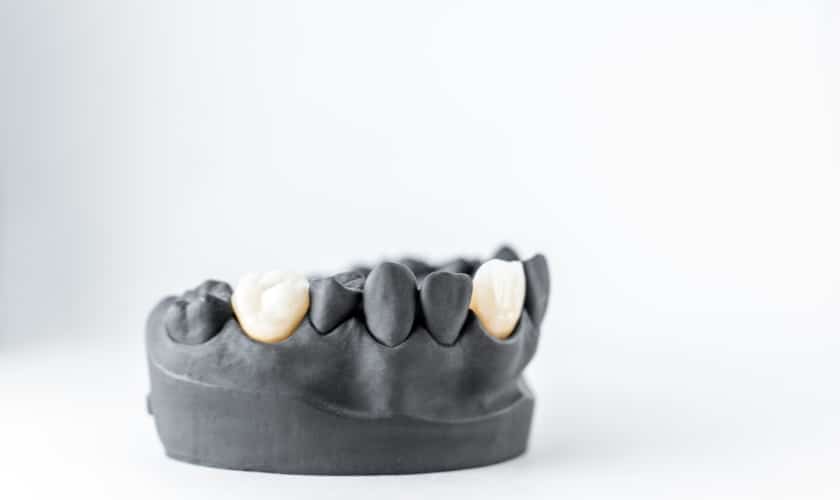
A dental crown is a tooth-shaped cap that fits over the existing tooth or implant, covering it entirely. It’s used to restore the shape, size, strength, and appearance of damaged teeth. Dental crowns can be made from various materials such as metal, porcelain, or ceramic.
Dental crowns are often recommended in cases where there’s extensive damage to a tooth due to decay, cracks, or fractures beyond what a filling can repair. Crowns are also useful when restoring an implant, protecting weak teeth from further damage, and covering discolored or misshapen teeth.
The process of getting a dental crown involves several steps. First, your dentist will examine your tooth to determine whether it needs a crown and take X-rays if necessary. Next, they’ll prepare the affected tooth by removing any decayed areas and reshaping it so that the crown can fit properly.
After preparing the tooth for the crown, impressions will be taken using putty-like material which will be sent to a dental lab where your custom-made crown will be fabricated based on your specific requirements. During your next appointment with your dentist, you’ll have the new restoration cemented onto your prepared natural tooth structure or implant post for support!
How do Dental Crowns Function?
Dental crowns are designed to cover or cap a damaged tooth, restoring its function and appearance. The crown acts as a protective barrier, shielding the weakened or broken tooth from further damage while also providing reinforcement for added strength.
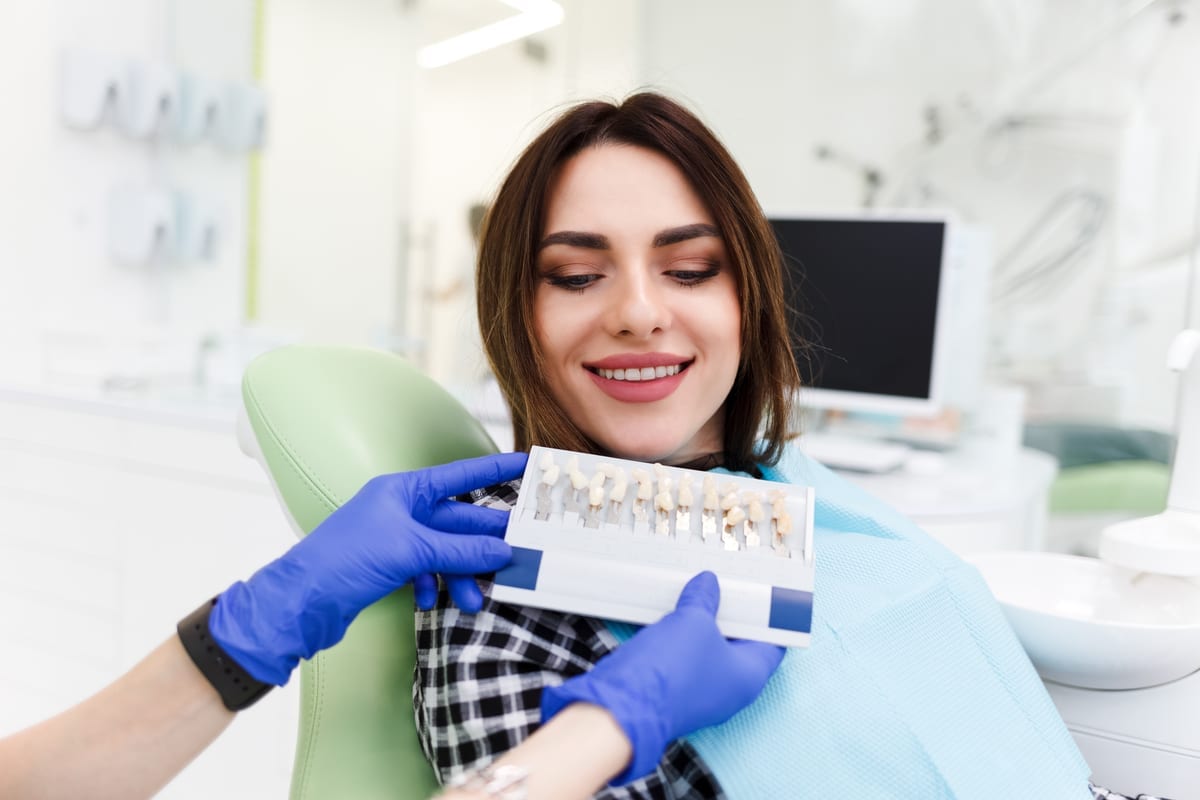
Crowns can be made of various materials such as porcelain, metal alloys, ceramics, or resin. Each material has unique features that make it suitable for different applications. For instance, porcelain is often preferred because it closely resembles natural teeth in color and texture.
The process of getting a dental crown involves several steps starting with an examination by your dentist to determine if you are a good candidate for the procedure. If approved, the dentist will prepare your tooth by removing any decayed portions and shaping it to fit snugly under the crown.
Afterward, impressions are taken so that an accurate model can be created in order to form a custom-fit dental crown. Once ready, the new crown is placed onto your prepared tooth using special cement which hardens quickly upon application.
Dental crowns serve many purposes beyond just improving aesthetics; they protect weak teeth from further damage and help restore proper biting and chewing functions. Proper care and maintenance like regular brushing & flossing along with routine checkups by your dentist every six months will ensure that your new crowns last long!
What are the Different Types of Dental Crowns?
When it comes to dental crowns, there are a variety of options available. Each type has its own benefits and drawbacks, depending on your individual needs.
One option is porcelain crowns which are the most aesthetically pleasing because they can be matched to the color of your natural teeth. However, they’re not as durable and may wear down over time.
Another option is metal crowns made from gold or silver alloys. These tend to last longer than other types but aren’t as visually appealing.
Porcelain-fused-to-metal crowns combine the best of both worlds by offering durability with a more natural appearance. However, there’s a risk that the metal underneath may show through over time.
Zirconia crowns are becoming increasingly popular due to their strength and ability to blend in with surrounding teeth seamlessly. They’re also less likely to cause an allergic reaction compared to metal-based options.
Your dentist will recommend the best type of crown for you based on several factors such as the location of the tooth, aesthetic preference, and budgetary considerations among others.
What to Expect after Receiving a Dental Crown
After receiving a dental crown, it is normal to experience some discomfort and sensitivity in the treated tooth. This discomfort should subside within a few days, but if it persists, you should contact your dentist immediately.
You may also feel some pressure on the tooth as the crown settles into place. This pressure will go away as well, usually after a couple of weeks. In addition, you may experience some difficulty eating or speaking normally for a few days until you get used to the new crown.
It is important to maintain good oral hygiene habits following the placement of a dental crown. Brushing twice daily and flossing regularly will help keep your teeth and gums healthy and prevent any complications from arising.
If there are any issues with your new dental crown such as pain or discomfort when biting down, or sensitivity to hot or cold temperatures that persist beyond a week or two, then make sure to report this back to your dentist so that they can address these concerns promptly.
While getting a dental crown might be nerve-racking initially due to post-treatment symptoms; however maintaining proper care and seeking professional medical advice can alleviate all potential risks associated with crowns.
Conclusion
Dental crowns are an effective solution for various dental issues. They are versatile, long-lasting, and provide both aesthetic and functional benefits. With proper care and maintenance, a dental crown can last up to 15 years or more.
If you’re considering getting a dental crown, make sure to consult with your dentist first to determine the best option for your specific needs. Additionally, it’s crucial to maintain good oral hygiene habits such as brushing twice daily, flossing regularly, and scheduling regular check-ups with your dentist.
By understanding the positive impact of dental crowns on your smile, you can feel confident in seeking this treatment option if needed. So go ahead and smile wide – with a healthy mouth that’s protected by a strong dental crown!
FAQs
Q.1 Can I eat after having a crown?
After leaving the dentist’s office, you simply need to wait 30 to 45 minutes before eating.
Q.2 Can I brush my teeth after a permanent crown?
To keep your mouth clean, you should brush regularly and floss well. During the first 24 hours, brush along the gum line around the crown or bridge. Be sure to run the floss through at the gum line and not pull up, as this could loosen the crown. You can floss normally the day after the procedure.
Better oral health starts here
Related Articles